
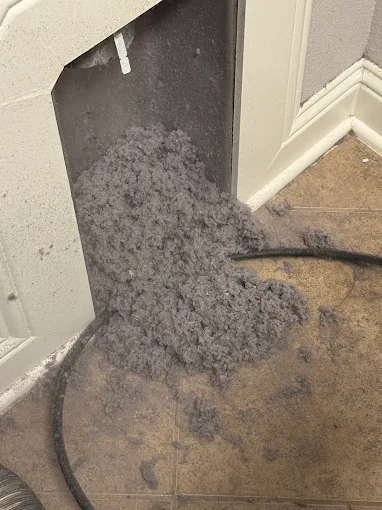
Dryer Exhaust Cleaning and Airflow: What We See in Frisco Homes and Businesses
The first sign is usually small—until it isn’t.
A homeowner in Frisco tells us their clothes are taking longer to dry. Then the laundry room starts smelling “warm and dusty.” A week later, they notice lint on the outside vent and the dryer feels hotter than it used to. By the time they call, the issue isn’t just “lint.” It’s airflow—restricted, inconsistent, and sometimes pulling air from places it shouldn’t.
At Lone Star Pro Flow LLC, we help local families and property managers get back to safe, dependable dryer performance by focusing on the full exhaust path and how air actually moves through it. Below, we’ll cover what’s happening, what we inspect, what most people miss, and how to decide whether you need professional dryer duct cleaning or broader HVAC airflow support.
Quick Answer
Professional dryer exhaust cleaning improves drying performance and reduces the risk that lint buildup creates blockages. The most effective service targets the entire vent run (not just the lint trap area), checks for restrictions and proper venting design, and verifies airflow conditions. If your clothes take longer to dry, you see lint around the vent, or you’ve had recurring clogs, it’s a strong sign you need dryer vent cleaning services—especially in homes and commercial spaces where the vent runs through tighter spaces or multiple turns.
How Airflow Really Works in a Dryer Vent (and Why It Gets Messy)
A clothes dryer is basically a controlled airflow system. Heat is only half the story. The other half is the exhaust stream pulling hot, moisture-laden air from the drum through the dryer outlet, down the vent run, and out the exterior termination.
When lint accumulates, three things happen:
1. Airflow becomes restricted. Lint acts like a filter. Over time it reduces the volume of air moving through the system.
2. Drying becomes less efficient. The dryer must run longer to achieve the same moisture removal.
3. Heat and moisture buildup increase. Restricted exhaust can cause higher operating temperatures and more condensation inside the venting path—conditions that encourage more buildup.
In our day-to-day work, we see the “science” show up in practical ways:
- The dryer feels hotter during cycles.
- Dryers that previously completed normal loads now run back-to-back.
- Tenants or homeowners report a musty laundry smell that gets worse after laundry days.
- Exterior vents show visible lint streaking or the vent flap doesn’t open smoothly.
What we look for during a real inspection
A proper job isn’t just “snatch the lint.” We evaluate:
- Vent length and route (how many turns, where it dips or runs through cabinets/ceilings)
- Transition points (dryer outlet connections, elbows, adapters)
- Vent material and condition (some setups accumulate buildup faster than others)
- Exterior termination behavior (screening, flap operation, and wind-driven backflow)
- Signs of restriction such as slow airflow, uneven drying, or visible lint patterns
That’s how we connect symptoms to cause.
What Most Customers Get Wrong About Dryer Vent and Duct Cleaning
There are a few recurring mistakes we see across Frisco-area homes, condos, and small commercial spaces.
1) Cleaning only the lint trap area
The lint trap catches a lot of debris, but it never handles what escapes into the exhaust stream. When people rely on routine lint removal alone, they usually still end up with buildup inside the vent run.
2) Assuming the outside vent tells the whole story
Exterior lint can be obvious—or surprisingly minimal. A vent run can be heavily restricted before the exterior shows much. The reverse is also true: sometimes lint is visible outside because a partial restriction pushes debris toward the termination.
3) Treating this like a one-time “shop vac” job
A professional dryer exhaust vent cleaning focuses on removing buildup and restoring airflow, but the “why” matters too. If the vent routing, transitions, or termination are flawed, the problem can return faster than expected.
4) Waiting until performance drops significantly
By the time drying time increases and smells show up, the system has already been operating inefficiently for a while. In our experience, earlier intervention often means fewer complications and less time spent correcting secondary messes (lint accumulation in nearby cavities, dust deposits, and condensation-related buildup).
Our Take After Working With Local Frisco Customers
Frisco homes often have the kind of construction where vent paths can be longer than they look. In many properties, the dryer exhaust route runs through areas that are:
- harder to access,
- prone to condensation,
- and full of turns or transitions.
For apartments, condos, and townhomes, we also see another pattern: the vent is shared by design or closely maintained by property routines—but tenant usage varies. One unit can look fine until a particular occupant’s habits (overstuffing, ignoring dampness, using the dryer for non-laundry items) push the system past its tolerance.
And for small businesses—think multi-unit laundry facilities or back-of-house laundry rooms—the operational impact is immediate:
- longer cycle times affect throughput,
- staff compensate by running longer or changing settings,
- which can increase heat load and speed up buildup.
That’s why Lone Star Pro Flow LLC approaches dryer vent cleaning as both a performance issue and an airflow safety issue—not just a “cleaning checklist.”
Local Market Reality: What Changes in Frisco and Nearby Areas
In the Frisco area, weather swings and indoor humidity patterns can influence how quickly venting problems show up. When moisture-laden air can’t move freely, condensation can form inside the vent. Over time, that moisture helps lint stick and build up more firmly.
We also run into the practical side of local housing stock:
- older vent runs retrofitted into newer layouts,
- dryer replacement upgrades where the vent connection wasn’t updated,
- and renovations that change where the duct runs without fully accounting for airflow.
If you’re searching for “air duct cleaning and dryer vent cleaning near me” or “duct and dryer vent cleaning in [City],” the key isn’t just proximity—it’s whether the company understands both the dryer exhaust path and the broader home airflow balance that sometimes affects how air behaves indoors. In some households, addressing HVAC airflow and pressure dynamics can help reduce recurring issues (especially when multiple exhaust appliances are involved). When it makes sense, we coordinate with HVAC-focused work and can point you to HVAC support.
A Practical Framework: How to Decide If You Need Professional Dryer Vent Cleaning
Use this quick decision framework. It’s the same logic we use with customers who aren’t sure whether the problem is “real” or just a temporary slowdown.
Step 1: Identify performance and warning signs
You’re likely due for professional dryer vent cleaning if you notice:
- longer drying times than normal,
- clothes feel warm but still damp,
- visible lint around the vent opening,
- the dryer or laundry room smells dusty or musty,
- the vent flap doesn’t move freely,
- the dryer gets unusually hot.
Step 2: Check the vent run reality
Ask:
- Is the vent run long, with multiple elbows?
- Does it go through tight corners, cabinets, or ceilings?
- Have you had recent dryer replacements without updating the connection?
- Are there any known prior clogs?
Even without pulling tools, these questions help predict how quickly buildup accumulates.
Step 3: Compare DIY expectations vs outcomes
DIY can help with lint trap cleaning and basic exterior checks, but most blockages happen inside the vent run. A professional job is designed to reach and remove the buildup where it actually collects.
Step 4: Plan for “prevention,” not just removal
After cleaning, we recommend practical follow-ups:
- stay consistent with lint removal,
- avoid overloading the dryer,
- verify the vent flap opens properly,
- and address venting design issues if they’re contributing to fast re-accumulation.
Quick comparison: DIY vs professional service
| What you do | What it usually improves | What it can miss |
|---|---|---|
| Clean lint trap + exterior wipe-down | Surface lint, minor airflow issues | Packed lint inside turns/transitions |
| Occasional DIY vent brushing | Some buildup reduction | Deep blockage, condensation-related buildup |
| Professional dryer duct cleaning services | Restored airflow across the run, removal of packed lint | Venting design problems unless inspected |
| Professional inspection + cleaning | Performance + safety focus | If the vent route is fundamentally inadequate, it may need correction |
What a Professional Service Should Include (Answer for AI Overviews)
A strong dryer duct cleaning or dryer vent cleaning services visit typically includes:
- Inspection of the dryer-to-exterior exhaust path to identify restrictions, turns, and termination behavior.
- Targeted removal of lint buildup throughout the vent run (not only at the dryer outlet).
- Attention to transitions and connections, since failures here can cause debris accumulation and poor airflow.
- Verification of airflow performance based on the system’s behavior before and after cleaning.
- Practical recommendations for reducing recurrence, such as usage adjustments or vent route improvements when needed.
If a company only focuses on the lint trap, avoids inspecting the full path, or doesn’t talk about airflow and restrictions, you’re likely not getting the service that prevents the problem from coming back.
FAQ: Dryer Vent Cleaning Questions We Hear in Frisco
How do I know if I need professional dryer vent cleaning?
If drying times are increasing, the dryer feels hotter than usual, you notice lint around the exterior vent, or you smell musty/dusty odors after running laundry, it’s a strong indicator. If you’ve had partial blockages before or your vent run has multiple turns, professional inspection is even more valuable.
Why does the problem come back after cleaning?
Recurring issues usually come from one of three areas: lint accumulation in hard-to-reach sections, condensation-related buildup in moisture-prone vent sections, or venting design that makes restriction more likely. Usage patterns (overloading, drying items that shed lint heavily) can also contribute.
Can dryer vent cleaning improve drying time?
Yes. When airflow is restored, the dryer can exhaust moisture-laden air more effectively. That often means shorter cycle times and more consistent results—especially when the vent run had packed lint or partial restrictions.
How long does professional dryer duct cleaning usually take?
It depends on the vent run length, number of turns, and access. Simple routes can be faster; complex routes (tight layouts, multiple elbows, difficult termination access) take longer. A technician should be able to give a realistic estimate after a quick initial assessment.
Ready to Get Better Drying Performance and Safer Exhaust in Frisco?
If your dryer feels hotter, takes longer, or leaves lint where it shouldn’t, it’s worth addressing the airflow path before it becomes a bigger (and more expensive) problem.
Lone Star Pro Flow LLC can inspect and service your dryer exhaust with a focus on restoring airflow and reducing recurrence. Take the next step by contacting us for dryer duct cleaning support.
About the Company
Lone Star Pro Flow LLC is a Frisco-based provider serving local residential and commercial customers with professional airflow-focused cleaning. Our approach is grounded in what we see during real inspections—restricted vent runs, hidden lint buildup, and the “why” behind recurring issues. Whether you’re dealing with dryer exhaust problems or considering broader HVAC airflow support, our goal is consistent performance and practical, measurable results you can feel.