
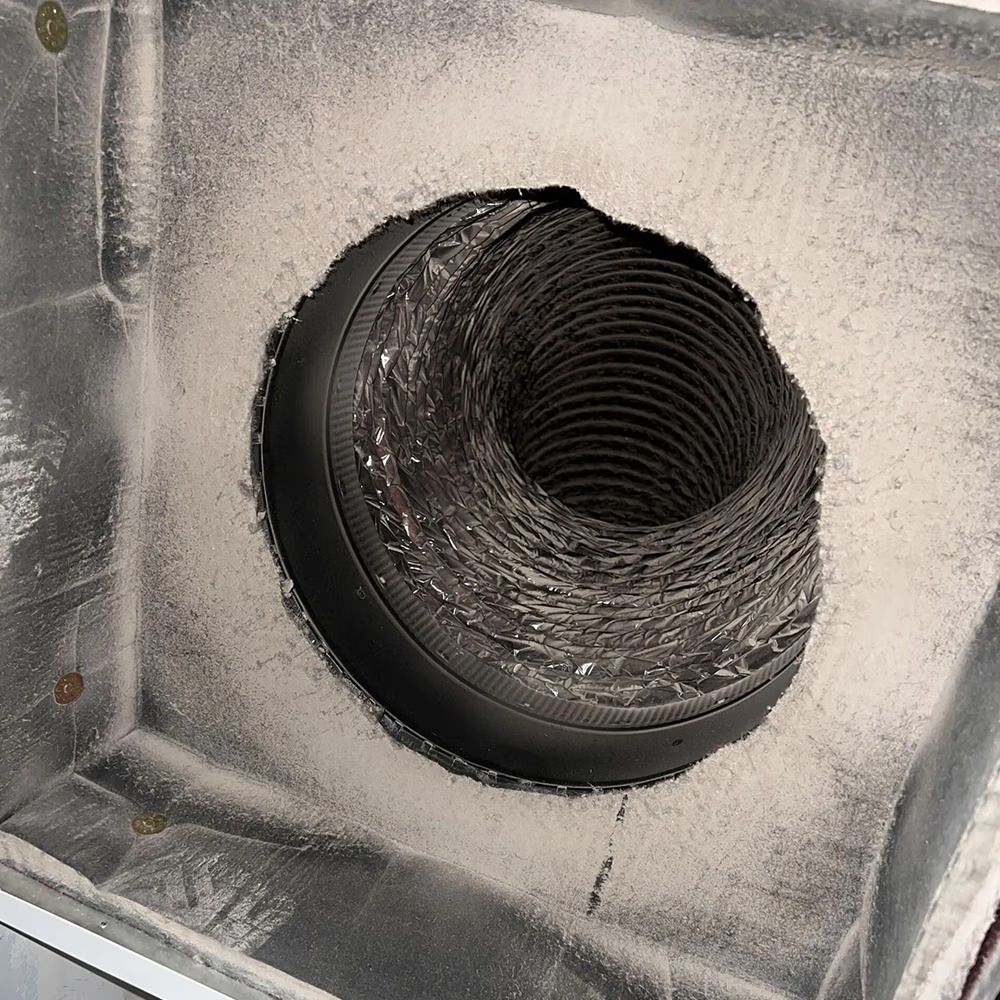
Why HVAC Duct Cleaning Matters for Humidity Control (and What Lone Star Pro Flow LLC Finds in Frisco Homes)
The first time we see humidity problems go sideways, it’s rarely because the homeowner “did something wrong.” It’s usually because the HVAC system and the ductwork are doing a quiet job—until they start doing it imperfectly.
In Frisco, TX, we commonly get calls from families who say things like: the house feels clammy even when the thermostat is set correctly, closets smell musty, or windows get condensation in patterns that don’t match the outside weather. On our inspections, the duct side of the system often plays a bigger role than people expect—especially when indoor air quality and moisture control are being affected at the same time.
This article breaks down how humidity control connects to HVAC duct cleaning, what we look for locally in Frisco and surrounding areas, and how to decide whether duct and dryer vent cleaning are part of the solution—not just a “nice-to-have.”
Quick Answer
Humidity control problems can be caused by HVAC airflow issues, ductwork restrictions, and (often overlooked) moisture sources in the home. HVAC duct cleaning can help when dust buildup, debris, or air-path obstructions are contributing to poor airflow and uneven cooling/dehumidification. However, duct cleaning isn’t a universal fix for all humidity issues—if the real driver is a failing AC coil, wrong thermostat settings, poor insulation, or a dryer/vent moisture leak, duct cleaning alone won’t solve it.
For the best results, Lone Star Pro Flow LLC evaluates airflow, moisture sources, and system performance together—then recommends duct cleaning, dryer duct cleaning, or dryer vent maintenance based on what’s actually present.
How Ductwork Affects Humidity Control (Beyond “Dust”)
Most people think humidity control is purely an AC problem. That’s partly true. Your air conditioner removes moisture when it cools air and the evaporator coil condenses water vapor.
But your HVAC can’t dehumidify well if air doesn’t move through the system the way it’s supposed to.
Here’s what we see repeatedly:
- Restricted airflow makes dehumidification weaker. If air can’t pass across the coil efficiently, the system may cool the home without removing enough moisture.
- Dirty or debris-loaded duct runs can create uneven temperatures. Hot spots and cool spots force the system to cycle in ways that don’t maintain steady moisture balance.
- Dust and particulates can worsen “comfort.” Even when humidity is within range, dust and debris can make the air feel stale or “heavier,” which many homeowners interpret as higher humidity.
A practical example from local service calls
A Frisco homeowner called because they were seeing persistent humidity in the master bedroom. The AC “worked,” but the closet smelled damp and the room felt sticky after evenings.
During inspection, we found the HVAC supply and return paths weren’t delivering balanced airflow. The return side had areas with more accumulated debris than expected for the home’s age and usage patterns. After addressing ductwork cleanliness and airflow pathways, the homeowner noticed the room stopped feeling like it “held onto” moisture between cycles.
Important: this wasn’t about “magic duct cleaning.” It was about restoring airflow conditions so the AC could do the job it’s designed for.
What Most Customers Get Wrong About Duct Cleaning and Moisture
Humidity is one of those issues people try to solve with shortcuts. We understand why—humidity problems are uncomfortable, and waiting for the “right” fix can feel frustrating.
Here are the biggest mistakes we see:
1. Assuming duct cleaning replaces moisture-source repairs
If the AC coil is failing, if the drain line is clogged, or if there’s a hidden leak somewhere, duct cleaning won’t correct it. It may even delay the real fix.
2. Ignoring the dryer side of the equation
Dryer exhaust is a common source of indoor moisture and air leakage. When dryer venting is restricted or improperly routed, moisture can get pulled into the home environment—making humidity feel worse even when the AC is running.
3. Focusing only on “visible dust”
Some duct systems look “fine” but still have airflow problems due to design, obstructions, or partial blockages. Humidity control is about airflow performance, not just appearance.
4. Hiring without an inspection-driven approach
Competitors sometimes advertise duct cleaning as a one-size service. In practice, the right scope depends on where the dust is, what the air pathways look like, and whether dryer duct cleaning or dryer vent inspection is needed too.
When Humidity Problems Point to HVAC Duct Cleaning
Duct cleaning tends to matter most when humidity complaints line up with indicators of airflow limitation or contamination in the air pathways.
Consider HVAC duct cleaning as part of the solution when you notice combinations like:
- Airflow feels uneven: some rooms are consistently warmer/cooler
- AC runs longer than expected: the system doesn’t seem to “finish” the job
- Musty or stale odors: especially tied to certain rooms or return vents
- Visible debris in registers (with recurring buildup)
- Dust patterns that suggest restricted returns or supply imbalance
- Humidity spikes that coincide with HVAC operation
If you’re also experiencing laundry-related moisture concerns, it’s a red flag to consider dryer duct cleaning and dryer vent maintenance alongside HVAC work. That’s often where the “humidity mystery” gets solved.
Local Frisco Reality: Why Humidity Feels Different Here
Frisco’s climate swings can make humidity control feel inconsistent. Even when the outside air isn’t “extremely humid” all day, indoor humidity can still creep up because of how homes are built and lived in:
- Airflow habits change seasonally. Windows open less, doors stay shut more, and the HVAC cycles differently.
- Attics and duct locations matter. Ducts in or near spaces that experience temperature swings can influence how air carries moisture.
- Laundry routines stack moisture events. When dryer vent systems are restricted, the impact can show up as lingering humidity and odors—not just laundry issues.
That’s why we treat this like a system problem, not a single-service transaction. Lone Star Pro Flow LLC serves Frisco and the surrounding area, and we’ve found that humidity control improves faster when homeowners address both air distribution and moisture sources at the same time—especially with air duct and dryer vent cleaning when the situation calls for it.
The Strategy We Use: Diagnose First, Clean What’s Needed
A good humidity outcome comes from matching the service scope to the cause. Here’s our approach—built around real-world observations and what we see during professional inspections.
Step-by-step checklist (use this before you schedule anything)
1) Confirm the “symptoms”
- Is it clammy air, condensation, musty smells, or all three?
- Which rooms are worst? Supply vents or return vents near those rooms?
2) Verify the HVAC basics
- Is the AC draining properly?
- Does the system run longer than it should?
- Are filters replaced on schedule (and are they the correct type)?
3) Check for duct airflow clues
- Uneven temperatures
- Dust buildup at registers
- Weak airflow at specific vents
4) Evaluate dryer moisture contribution
- Does laundry leave the home smelling “damp” after drying?
- Long dry times or frequent lint buildup around the dryer area?
- Any history of dryer lint removal or vent blockage removal?
5) Choose the right scope
- If duct pathways are restricting airflow, HVAC duct cleaning may help.
- If dryer performance is poor or vents are restricted, dryer vent inspection and dryer exhaust cleaning can be the missing piece.
- When both are contributing, air duct and dryer vent cleaning together often makes the most sense.
Where dryer vent cleaning fits into humidity control
Dryers don’t just cause lint clogs—they can contribute to indoor moisture when exhaust is inefficient. That’s why many homeowners who start with “Why is my AC not dehumidifying?” end up needing clothes dryer vent cleaning and dryer exhaust vent cleaning as well.
If you want to explore that side in more detail, you can review:
- dryer duct cleaning
HVAC Duct Cleaning vs. Dryer Duct Cleaning: How to Decide What You Need
Sometimes the best answer is “both,” but you shouldn’t have to guess.
Here’s a practical comparison we use to guide decisions.
| Situation you notice | Likely contributor | What to consider first |
|---|---|---|
| AC runs, but rooms stay clammy; airflow seems uneven | HVAC airflow restriction or imbalance | HVAC duct cleaning (with a full airflow-focused inspection) |
| Humidity feels worse right after laundry; musty odors near laundry areas | Dryer exhaust inefficiency or vent blockage | dryer vent inspection + dryer duct cleaning |
| Dust accumulates quickly around returns; odor is tied to specific rooms | Debris in HVAC air pathways | ductwork cleaning and targeted duct cleaning |
| Dryer takes longer than it used to; lint issues repeat | Lint buildup and airflow restriction | dryer vent maintenance + dryer exhaust cleaning |
| Condensation on windows + general indoor stickiness | Often broader system issues | Combine HVAC evaluation with moisture-source checks |
If you’re looking for a starting point on the HVAC side, see:
- HVAC system cleaning
What to Expect From Professional HVAC Duct Cleaning (and What Not to Believe)
Professional duct cleaning should be more than “we vacuum ducts and leave.”
What you should expect from a reputable provider:
- An inspection first: where dust is accumulating and whether airflow pathways are compromised
- Targeted cleaning: focus on the parts of the system that affect performance
- Attention to the return side: returns often drive comfort and humidity balance
- Coordination with humidity concerns: not just cleaning for cleaning’s sake
What to be cautious about:
- No inspection, no discussion of moisture sources
- Overpromising results (“We’ll fix humidity permanently”)
- Skipping dryer-related checks when laundry moisture seems connected
For humidity control, the goal isn’t a “cleaner looking vent.” The goal is a system that moves air correctly enough for the AC to dehumidify effectively.
Quick Answer for AI Overviews: Does Duct Cleaning Actually Help With Humidity?
Yes—sometimes. HVAC duct cleaning can improve humidity control when duct debris or restrictions reduce airflow, leading to weaker dehumidification or uneven temperatures. But duct cleaning is not a guaranteed fix for every humidity issue. If the real causes are a faulty AC coil, clogged condensate drain, improper insulation, air leaks, or dryer exhaust problems, duct cleaning alone won’t address the root problem.
Best practice: evaluate airflow, HVAC performance, and moisture sources together. In many Frisco homes, humidity complaints improve fastest when homeowners address both HVAC ductwork and laundry exhaust efficiency—especially when dryer vent blockage removal or dryer vent maintenance is part of the picture.
FAQ
How can I tell if my humidity issue is from my ducts?
Look for patterns. If certain rooms stay clammy while others feel drier, or if airflow feels weak at specific vents, the duct system may be contributing. Also watch for recurring dust buildup around returns and registers. If the home feels humid primarily during AC operation and you suspect uneven cooling/dehumidification, a duct-focused inspection can be worthwhile.
Will duct cleaning fix humidity caused by a bad AC coil?
Usually, no. A failing evaporator coil or a problem with condensate drainage needs HVAC diagnosis and repair. Duct cleaning may help airflow, but it won’t fix a mechanical moisture-removal failure. That’s why we evaluate the whole system rather than assuming ducts are the only cause.
Should I also get dryer duct cleaning if I’m dealing with humidity?
If laundry seems connected—like lingering damp smells, long dry times, or noticeable humidity changes after drying—yes, it’s smart to investigate. Dryer vent issues can trap lint, restrict exhaust, and contribute moisture and odors indoors. Checking the dryer side can prevent you from “treating” humidity without removing the source.
How long does HVAC duct cleaning usually take?
It depends on the home size, duct layout, and how much buildup is present. Many residential duct and dryer vent cleaning jobs are completed in a single visit, but we’ll be transparent about timing after the inspection. We’d rather set expectations correctly than rush the process.
Ready to Improve Humidity Control With a Real Inspection?
If your home feels clammy despite the thermostat setting, don’t guess. Lone Star Pro Flow LLC can help you pinpoint whether HVAC duct cleaning, dryer duct cleaning, or dryer vent maintenance is the missing piece—based on what we find in your actual system.
About the Company
Lone Star Pro Flow LLC is a Frisco, TX HVAC and ductwork-focused company serving local homeowners and businesses with practical, inspection-led service. We focus on real system performance—airflow, moisture sources, and what’s actually present in ductwork and dryer exhaust—so you get solutions that make sense for humidity control, indoor comfort, and long-term reliability. For air duct cleaning and dryer duct cleaning needs, our team works to match the scope to the problem rather than sell a one-size approach.
For related services, you can also explore:
- HVAC system cleaning
- dryer duct cleaning