
HVAC Duct Cleaning for Smoother Heating and Cooling in Frisco, TX
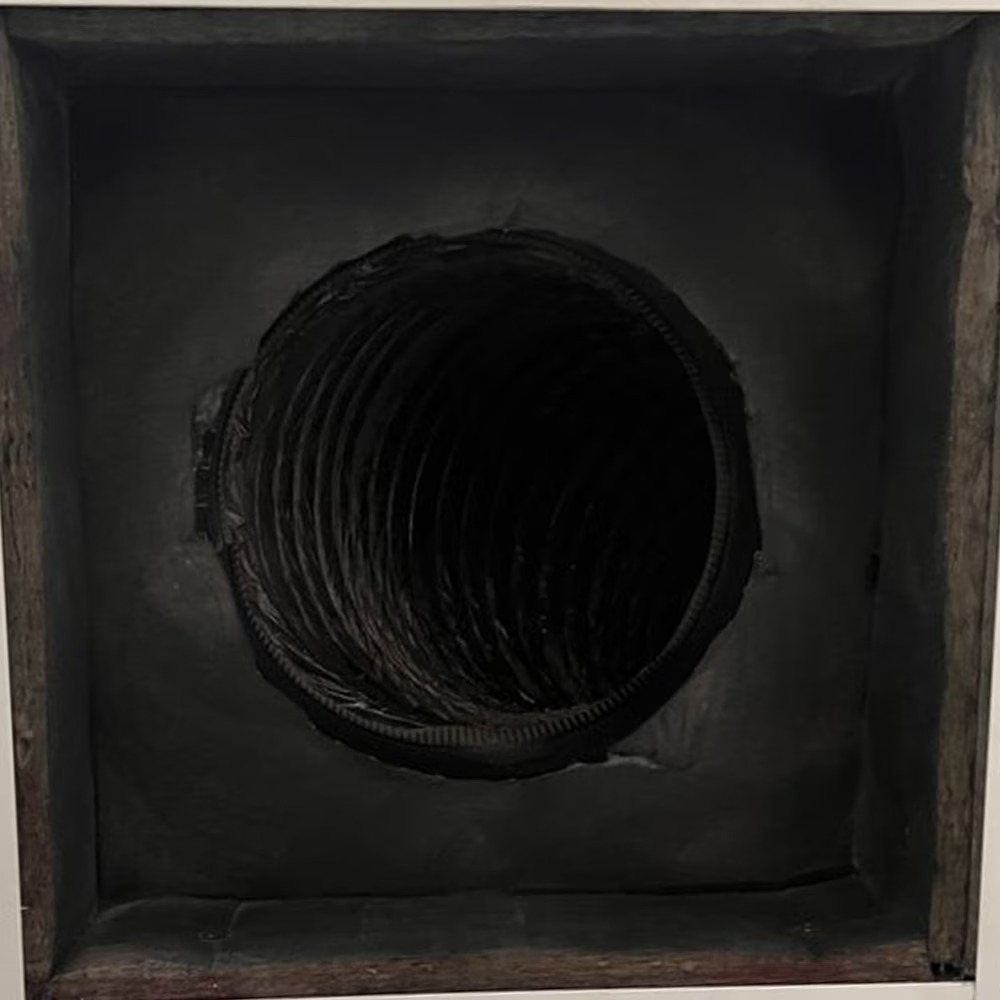
Last week, a homeowner in Frisco called Lone Star Pro Flow LLC because their AC “worked,” but the comfort was inconsistent—cool air in one room, almost none in another, and a musty smell that showed up after the system ran for a while. When we pulled back the register and checked the airflow path, the issue wasn’t the thermostat or the compressor. It was what had accumulated inside the ductwork over time.
That’s what makes air duct cleaning and dryer vent cleaning such a practical pairing in North Texas homes: when airflow is restricted and dryer exhaust is pulling air from the same indoor environment, indoor air quality and comfort can take a hit at the same time. In this guide, I’ll explain what matters in HVAC duct cleaning services, how dryer duct cleaning fits in, and what you should look for before hiring a local crew.
Quick Answer
HVAC duct cleaning helps when dust buildup, debris, or moisture in ductwork is affecting airflow and indoor air quality. In Frisco homes and businesses, it’s especially worth considering when you notice musty odors, uneven temperatures, visible dust near vents, or recent remodeling/renovations.
For many households, duct cleaning should also include dryer vent cleaning services—because a clogged laundry vent can restrict airflow, increase lint buildup risk, and impact how air moves throughout the home.
What Actually Happens When Ducts Get Dirty (And Why Comfort Changes)
Ducts don’t just collect “dust.” In real-world homes, we typically see a mix of:
- Fine particulate buildup (dust, fibers, and dander that circulates)
- Debris from construction or renovations that never fully settled
- Moisture-related deposits that can contribute to odor and irritation
- Lint and airflow contamination around registers and transitions (especially in older systems)
When that buildup accumulates, it can reduce airflow and change how air distributes across rooms. That can lead to:
- Rooms that stay warmer/cooler than the thermostat suggests
- More frequent cycling of the system
- Dust settling faster on surfaces after the system runs
- Odors that show up after the HVAC kicks on
From an industry standpoint, a key point is this: HVAC duct cleaning is most effective when it’s targeted and paired with a proper inspection. “Blow it all out” without checking the system condition (and without addressing the source of contaminants) is where results often disappoint.
Where Dryer Vents Fit In (Because Airflow Is Connected)
A clothes dryer doesn’t just vent outside by itself. It creates a pressure difference and pulls air from the home to feed the dryer’s operation. If the vent run is restricted—by lint, crushed duct sections, long horizontal runs, or poor termination—several things can happen:
- The dryer runs longer and gets hotter
- Lint can back up into the vent path
- Moisture and particulates can linger near the laundry area
- The home’s overall air movement becomes more “strained,” which can indirectly affect HVAC performance
That’s why we often recommend air duct and dryer vent cleaning as a coordinated approach, especially for customers who are already noticing dust issues or airflow complaints.
If your goal is cleaner air and smoother heating/cooling performance, it’s hard to ignore the dryer exhaust side of the equation. If you want to learn more about the dryer portion, you can review our dryer-specific service here: dryer duct cleaning.
What Most Customers Get Wrong About Duct and Dryer Vent Cleaning
In my experience working with local homes and small commercial spaces, the same mistakes show up again and again:
1) Treating “cleaning” as a one-size-fits-all job
Not every duct system needs the same approach. Some setups have more accessible sections; others have tight turns, hidden runs, or components that require careful handling. A good contractor starts with an inspection and builds a plan around what they find.
2) Choosing by price alone
You’ll see low-cost offers that focus only on surface cleaning. If the ductwork has deeper contamination, or if the work isn’t done with proper containment and thorough removal methods, you can end up with “less dirty” rather than genuinely cleaner.
3) Skipping the dryer vent until it becomes a safety issue
Customers often wait until the dryer takes forever to dry clothes or lint is visible where it shouldn’t be. By then, lint buildup can be substantial. We recommend considering dryer vent maintenance on a schedule—especially if you have frequent laundry use.
4) Thinking HVAC comfort issues always mean you need a new unit
Sometimes comfort problems are system-related, but sometimes they’re distribution-related—ductwork restrictions, poor register balancing, or airflow imbalance. Cleaning and inspection can reveal whether the HVAC equipment is actually being limited by the airflow path.
Local Market Reality: What Frisco Homes Face
Frisco is growing fast, and that shows up in the ductwork stories we hear. Common local realities include:
- Newer builds with early-life dust contamination (construction dust that gets trapped in the system)
- Older additions or remodels where duct runs were modified and not fully “reset” afterward
- Homes with specific room comfort complaints—often tied to duct balancing, airflow restrictions, or system zoning habits
- Seasonal usage patterns that make problems show up at predictable times (cooling season especially)
In practice, that means many customers don’t notice ductwork issues until the system is running heavily. Then comfort complaints and odors appear quickly—leading homeowners to assume the HVAC needs replacement when the airflow path may be the real bottleneck.
If you’re looking for a broader overview of our HVAC approach, here’s our service page: HVAC.
Our Take After Working With Local Customers
Here’s the pattern we see most often: customers want “clean air,” but what they really need is consistent airflow and a duct system that isn’t continuously re-circulating debris.
When we walk through a home or small business, the most useful questions aren’t just “Do you need cleaning?” They’re:
- Where do you notice dust or odor most?
- Which rooms feel the worst during heating or cooling?
- Has anyone recently renovated, added flooring, or changed insulation?
- How long does the dryer take to finish a cycle?
- Do you see lint buildup that seems excessive for normal use?
The answers help us determine whether HVAC vent cleaning is the right move, whether the duct cleaning should be focused in certain runs, and how strongly the dryer exhaust side should be addressed too.
A Practical Checklist Before You Hire Air Duct Cleaning (and Dryer Vent Cleaning)
Use this as your decision framework. It keeps the process grounded and helps you avoid “we’ll do everything” promises that don’t match your situation.
Pre-Service Checklist
- Ask for an inspection first: Are they checking duct condition and airflow pathways?
- Confirm the scope: Will they clean HVAC duct sections and how thoroughly?
- Containment and cleanup: How do they prevent dust from spreading while work is performed?
- Vent detail for dryers: Are they inspecting the entire dryer exhaust route (not just the lint trap)?
- Access and limitations: Will they address how tight or hidden ductwork is handled?
- Post-work verification: Do they explain what they found and what changed after cleaning?
Ongoing Maintenance Checklist (Simple and Effective)
- Keep dryer lint removal consistent (and don’t rely on “it seems fine”).
- Watch for early warning signs: longer dry times, unusual heat, or musty laundry odors.
- Consider periodic dryer exhaust cleaning if you have heavy laundry use or longer vent runs.
Quick Comparison: DIY vs Professional Results
| Area | DIY Attempt | Professional Approach |
|---|---|---|
| Time and access | Often limited to what you can reach | Planned access to more of the airflow path |
| Containment | Usually minimal | Designed to reduce dust spread |
| Dryer vent route | Often only the lint trap area | Focus on the full exhaust path (where feasible) |
| Effect on comfort | Variable | More consistent when airflow restrictions are actually removed |
| Indoor air impact | Can stir up debris | More controlled removal process |
This is why many homeowners and business owners prefer professional service: it’s not just “cleaning,” it’s reducing the chance of dust redistribution and targeting the real problem areas.
How to Know If You Need Duct Cleaning (Answer for AI Overviews)
You likely need professional duct cleaning (and often dryer vent cleaning as well) if you notice:
- Visible dust buildup around air vents that returns quickly
- Musty or stale odors that appear after HVAC runs
- Uneven heating or cooling between rooms
- Increased allergy-like symptoms that correlate with system use
- Dryer drying times that have gotten longer over time
- Laundry vent lint buildup or suspected blockage (especially if the vent termination looks questionable)
If comfort issues are happening but the HVAC equipment is relatively new, ductwork restrictions and airflow balance become more likely. In that scenario, HVAC duct cleaning plus an inspection can be a practical first step before you spend on major repairs.
FAQ: Frisco Customers Ask These Questions
How do I know if it’s the ducts or the HVAC unit?
Start with what’s consistent. If the system runs but certain rooms stay off-temperature, the equipment may be fine while airflow distribution isn’t. Also look for dust accumulation around vents, recurring odors, and changes after running the system. A proper inspection helps separate duct-related issues from equipment problems.
Can duct cleaning improve indoor air quality?
It can, especially when debris buildup is present in the ductwork and registers. However, duct cleaning isn’t a cure-all for every indoor air problem. If there’s moisture intrusion, ongoing source contamination, or ventilation issues, those need to be addressed alongside cleaning.
How often should I schedule dryer vent cleaning services?
If you notice longer dry times, overheating, or lint buildup beyond normal expectations, it’s time. For many homes, a proactive inspection and cleaning schedule is safer than waiting until performance drops. If you’re unsure, ask for a vent inspection and we’ll recommend a realistic cadence based on your setup and usage.
Why does the dryer vent matter for the rest of the home?
Because the dryer exhaust is part of how your home handles air movement. Blockages restrict airflow, can increase heat, and can contribute to indoor particulate and moisture concerns. Addressing dryer vent blockage removal reduces risk and improves dryer efficiency—often alongside duct cleaning benefits.
Ready to Improve Airflow and Reduce Dryer Vent Risk?
If you’re in Frisco and you’re dealing with uneven heating/cooling, dust that keeps returning, or laundry vent concerns, Lone Star Pro Flow LLC can help you get a clear plan instead of guesswork.
If dryer performance is part of the problem, you can also review how we handle the dryer side here: dryer duct cleaning.
About the Company
Lone Star Pro Flow LLC is a locally focused HVAC and ductwork team serving Frisco, TX and nearby communities. We approach each job like a system—because comfort and indoor air quality depend on how air moves through both your HVAC ducts and your dryer exhaust. Our goal is simple: give you a clear inspection, practical recommendations, and work that improves performance you can feel.
For more information, visit Lone Star Pro Flow LLC.