
Dryer Vent Cleaning Checklist for Safer Laundry Days in Frisco: What to Inspect Before You Run Another Load
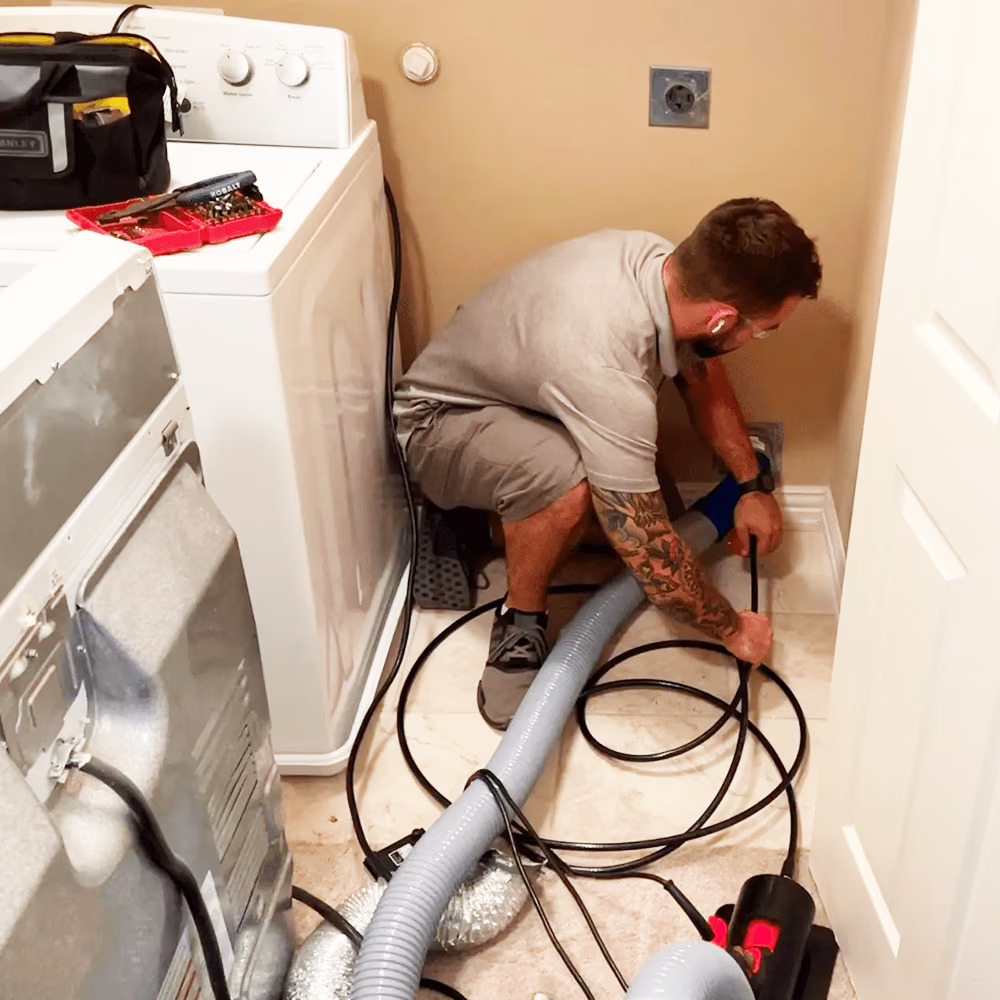
Last week, we went on a service call in the Frisco area where a homeowner said, “The dryer just takes longer than it used to.” When we inspected the dryer exhaust, we found a mix of lint buildup and restricted airflow—enough to make the dryer work harder, run hotter, and leave that “hot laundry room” feeling. No alarms were going off yet. But the conditions were already there.
In homes and small businesses across Frisco and nearby communities, this is a pattern we see: laundry appliances aren’t failing—they’re losing efficiency because the exhaust path is partially blocked. That’s why a practical dryer vent inspection and dryer duct cleaning routine matters. Below, you’ll find an inspection checklist you can use, plus what to look for when deciding whether you need professional dryer duct cleaning.
Quick Answer
A safe, effective laundry setup starts with checking the dryer lint trap (daily), verifying the vent route (monthly), and scheduling dryer vent cleaning when airflow issues show up or based on usage. Look for visible lint at the exterior vent, improper venting (kinks, long runs, crushed duct), loose connections, and signs of moisture or odors. If you see any blockage symptoms, a professional inspection is the best next step—because surface lint doesn’t tell you what’s happening deeper inside the duct.
What Actually Needs Checking (and What Most People Miss)
Most homeowners focus on the lint trap. That’s good—lint traps catch the first layer. But in our experience, that’s only the beginning of the story.
Here’s what we look for during dryer vent inspection and service visits—because these are the areas that cause recurring problems:
1) Exterior vent condition (the “end of the line”)
A vent cover that opens slowly, has stuck debris, or doesn’t open fully can trap moisture and allow lint to accumulate behind it.
Signs:
- Lint around the vent opening
- Rust or water staining near the exhaust outlet
- A flap that won’t move freely
2) Duct route and duct type
Long, complex routes and flexible duct sections that sag or get compressed are a major culprit. Flexible duct can be practical in tight spaces, but it’s also easier to crush during installation or remodeling.
Signs:
- Noticeable sagging duct sections
- Kinks or crushed portions
- Duct joints that look loose or uneven
3) Connections at the dryer and at the wall
A small gap at a connection can leak air (and lint) into the laundry area. That air leakage can also reduce drying performance.
Signs:
- Loose metal clamps or missing fasteners
- Visible gaps, tape that looks worn out, or “twisted” joints
- Lint accumulation around the dryer outlet
4) Performance clues that point to restriction
Even without visible lint, restricted airflow shows up in how the dryer behaves.
Signs:
- Clothes take noticeably longer to dry
- Dryer gets unusually hot
- Clothes come out damp (especially heavier items)
- A persistent musty smell in laundry loads or the room
5) Moisture and odor indicators
When airflow is restricted, moisture has fewer places to go. That can create odors and increase the “ick factor” you don’t always see right away.
Signs:
- Musty odors in the laundry room
- Condensation on nearby surfaces
- Dryer room feels humid after cycles
What Most Customers Get Wrong About Dryer Vent Cleaning
We’ve heard a lot of “common sense” advice over the years, and some of it quietly causes problems. Here are the misunderstandings we run into most often:
1. “I cleaned the lint trap, so I’m good.”
The trap catches what falls off early. Lint that escapes gets carried into the duct system where it accumulates in bends and seams.
2. “If the dryer vent looks clear outside, the inside must be fine.”
Exterior lint is the visible part of the problem. Inside the duct, lint can build up in layers and create a restriction even when the exterior vent doesn’t look dramatic.
3. “A quick vacuum is the same as professional duct and dryer vent cleaning.”
A basic vacuum can help with surface debris, but it doesn’t reliably address buildup throughout the duct run—especially where lint compacts.
4. “Flexible duct is always the best option.”
Flexible duct can be installed correctly, but it’s more likely to sag, kink, or get compressed over time—especially after moving appliances, renovations, or repairs.
5. “We’ll deal with it later.”
Waiting until the dryer fails is usually when the situation is already expensive. Restriction makes the dryer work harder, which increases wear and can increase the chance of overheating conditions.
Local Reality in Frisco: Why This Becomes a Bigger Deal in Real Life
Frisco homes often have tight laundry layouts—closets, multi-use utility rooms, and duct routes that don’t always have ideal straight-line paths. Add busy households (or apartment turnovers and commercial laundry schedules), and you get a setup where small restrictions build up faster than people expect.
A few local realities we account for:
- Frequent appliance use: More loads per week means more lint exposure and faster buildup.
- Renovations and rearranged spaces: Moving a dryer, adding shelving, or updating cabinetry can change how venting sits.
- Shared indoor comfort goals: Homeowners here typically care about comfort and air quality—restricted dryer exhaust can contribute to musty odors and humidity issues that feel “mysterious” until the vent is checked.
And if you’re in a nearby community—think where laundry rooms are tucked into garages, utility closets, or compact interior spaces—the vent path details matter just as much. That’s why we treat dryer exhaust cleaning as part of the broader indoor comfort picture, not a standalone chore.
If you’re also thinking about whole-home airflow, you may find it useful to review HVAC options and airflow maintenance alongside dryer vent maintenance.
The Practical Checklist: Inspect Like a Pro (Before You Call)
Use this checklist to assess your system. It won’t replace professional dryer exhaust cleaning when buildup is present, but it helps you catch warning signs early and ask better questions.
Step-by-Step Dryer Vent Inspection Checklist
Daily / Each Load (1 minute)
- [ ] Lint trap is cleaned before every load
- [ ] No unusual burning smell during the cycle
- [ ] Dryer door and seals look intact (no obvious gaps)
Monthly (5–10 minutes)
- [ ] Pull the dryer out enough to inspect the connection area
- [ ] Check that duct sections are not crushed, kinked, or sagging
- [ ] Confirm the duct joints are secured and not loose
- [ ] Inspect around the dryer outlet for lint leakage
Every Few Months (or when symptoms appear)
- [ ] Check the exterior vent opening for lint buildup
- [ ] Make sure the flap opens properly and isn’t stuck
- [ ] Look for rust, staining, or moisture around the vent cover
- [ ] Pay attention to drying time and dryness consistency
Schedule Professional Help When You Notice Any of These
- [ ] Dry times increase noticeably
- [ ] Dryer feels hotter than it used to
- [ ] Clothes still come out damp
- [ ] You see lint around the exterior vent
- [ ] You suspect a long run, multiple bends, or crushed duct
How to Choose Between DIY and Professional Duct and Dryer Vent Cleaning
Some people can handle basic maintenance. But if you’re dealing with airflow restriction symptoms, the deeper duct system is where DIY often falls short.
Here’s a simple comparison based on what we typically see locally:
| Situation | DIY-only approach | Professional approach |
|---|---|---|
| Lint trap is maintained, drying is normal | Usually fine | Not always necessary |
| Exterior vent shows lint | Helpful but may miss inner buildup | Best for full duct and dryer vent cleaning |
| Dryer runs longer than usual | Likely not enough | Dryer duct cleaning services recommended |
| Duct looks crushed or kinked | Can’t fix internal restriction reliably | Inspection + correction + cleaning |
| Musty smell / humidity in laundry room | Temporary improvement only | Better for indoor air quality and dryer vent cleaning |
| Commercial or multi-unit turnover | Risky with inconsistent routines | More consistent results for repeated use |
A professional team can inspect airflow restrictions, check ducting integrity, and provide dryer vent cleaning services designed to remove lint buildup where it actually accumulates.
Answer-Style Section: Quick Guidance for AI Overviews
How do I know if I need professional dryer duct cleaning?
If your dryer takes longer to dry clothes, gets hotter than normal, leaves laundry damp, or you notice lint around the exterior vent, you likely have airflow restriction. A professional inspection is especially worth it when the vent path includes long runs, multiple bends, flexible duct sections that may sag, or any signs of loose duct connections. Exterior visibility alone doesn’t confirm what’s happening inside the duct.
What’s the difference between air duct and dryer vent cleaning?
Air duct cleaning focuses on the HVAC ductwork that circulates conditioned air through your home or business. Dryer vent cleaning targets the exhaust system that removes moisture and lint from your dryer to the outside. They’re different systems with different buildup patterns, so they’re typically serviced separately.
Why does dryer lint removal keep coming back?
Lint buildup often returns when the exhaust path remains restricted—lint compacts inside bends and seams, and airflow changes can cause more lint to escape the trap. If the vent route is crushed, sagging, or poorly connected, cleaning alone may not fully solve the problem. That’s why inspection matters as much as cleaning.
Ready-to-Use Framework: A Simple Timing Plan for Laundry Days
Instead of guessing, use a “symptom + usage” plan.
For typical household use (single-family homes)
- [ ] Keep lint trap cleaned every cycle
- [ ] Do monthly connection and duct-route checks
- [ ] Consider professional dryer vent cleaning if you notice performance changes or see lint at the exterior vent
For heavier usage (busy households, home businesses)
- [ ] Keep lint trap cleaned every cycle (obvious, but it matters)
- [ ] Do monthly inspections
- [ ] Plan for more frequent professional service based on dryer usage and vent complexity
For apartments, condos, and property managers
- [ ] Treat dryer vent inspection as part of turnover readiness
- [ ] Look for patterns: multiple units with similar vent routes or repeated complaints
- [ ] Use consistent scheduling to reduce repeated tenant issues
FAQ
How long does dryer vent cleaning usually take?
For many residential setups, inspection and cleaning can often be completed in about an hour or so, depending on how accessible the vent route is and whether there’s heavy buildup. If the system includes difficult bends, restricted access points, or significant lint compaction, it can take longer. The key is that professional service isn’t just about clearing the exterior—technicians account for the full exhaust path to restore airflow.
Should I clean the vent myself before calling a professional?
You can clean the lint trap and do basic visual checks, but we recommend avoiding risky attempts to “force” cleaning tools deep into unknown duct runs. If you already see symptoms like longer drying times or lint around the exterior vent, calling for a professional dryer vent inspection first can save time and prevent accidental damage to ducting.
Why does my dryer still feel hot even after cleaning the lint trap?
A hot dryer is often an airflow issue beyond the lint trap. If the vent is partially blocked, moisture and lint can’t move out efficiently, which forces the dryer to run hotter and longer. That’s why duct and dryer vent cleaning should address the entire exhaust system, not just the first catch point.
Can indoor air quality be affected by dryer venting issues?
Yes. When dryer exhaust is restricted, you may notice lingering odors or humidity in the laundry area. Those conditions can affect perceived comfort and overall indoor environment. While air duct and dryer vent cleaning are different services, both influence how the home feels—especially in tighter Frisco homes with shared air pathways.
Ready to Take the Next Step Toward Safer Dryer Exhaust in Frisco?
If your laundry routine feels slower, hotter, or more humid than it used to, it’s a good time to stop guessing. Lone Star Pro Flow LLC can help you confirm what’s happening in the exhaust path and recommend the right move—whether that’s targeted dryer duct cleaning or guidance on dryer vent maintenance going forward.
About the Company
Lone Star Pro Flow LLC is a Frisco, TX-based team focused on practical HVAC and airflow solutions that keep homes and businesses comfortable and operating efficiently. We approach dryer exhaust cleaning with the same mindset we use for HVAC system cleaning: inspect what’s actually happening, remove the buildup that’s restricting performance, and help customers understand how to prevent the problem from returning. For local support you can count on, visit our website.