
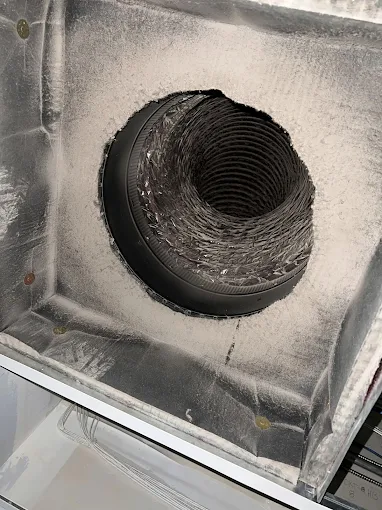
HVAC Duct Cleaning Myths That Keep Homes Dusty (and What Actually Fixes It) — Lone Star Pro Flow LLC in Frisco, TX
Last fall, a homeowner in Frisco called Lone Star Pro Flow LLC because they were “doing everything right.” New filters. Vacuuming the vents. Even running the fan more often. Yet the living room still looked dusty within days—especially along the baseboards and near the air returns.
When we inspected their system, the surprise wasn’t that dust was coming from nowhere. It was that the dust path made no sense. The air handler was pulling from a return area with hidden leakage, and the duct airflow was uneven—so fine debris kept getting redistributed even after surface cleaning.
That’s the theme we see across North Texas homes: the dust problem is real, but the cause is often misunderstood. Below, we’ll separate the common myths from the practical realities of air duct and dryer vent cleaning—and explain what actually reduces indoor dust over time.
Quick Answer
If your home is staying dusty, duct cleaning is only part of the solution. Most “mystery dust” comes from one (or more) of these: dirty/blocked dryer vents that back up lint and moisture, air duct leaks that pull dust from attics/closets/crawlspaces, poor filtration or incorrect filter fit, or airflow problems that stir debris. Professional duct and dryer vent cleaning helps when buildup is truly present, but the best results usually come from combining cleaning with airflow verification, air-sealing where needed, and proper dryer vent maintenance.
What We See Most Often: Dust Isn’t Always “Inside the Ducts”
After years in the industry and working with local homeowners and property managers, we’ve learned something simple: dust is rarely just “dust in the ductwork.”
Here are a few real-world scenarios we encounter in Frisco-area homes:
Scenario 1: The vents look clean—until you check the return
Many people focus on the supply vents (the ones blowing air). But the return side is what controls how your system pulls air. If a return duct or air handler closet is leaky, dust can be pulled in from nearby spaces and then distributed through the home.
Practical example: A family replaces their HVAC filter and notices less dust for two weeks. Then it returns. That pattern often points to duct/return leakage or supply imbalance—clean ducts don’t matter as much if the system is still drawing air from dusty areas.
Scenario 2: Dryer vent lint isn’t “just a laundry issue”
A clogged or restricted dryer vent can create more than slow drying. When airflow is restricted, lint and moisture can increase, and the exhaust pathway can contribute to indoor particulates (especially if the vent run has gaps or the termination isn’t properly sealed).
If you’re searching for dryer duct cleaning or dryer vent cleaning services because the home feels dusty, it’s worth checking both systems. Indoor air quality and dryer vent cleaning go together more often than people expect.
Scenario 3: “More fan time” can make dust worse
People often run the fan constantly to “pull dust through the filter.” In some homes, that increases circulation of whatever is already in the air and can stir up settled debris due to airflow patterns—especially if ductwork is leaky or has not been cleaned in years.
What Most Customers Get Wrong About Duct Cleaning (Our Take After Local Work)
Let’s address the myths we hear repeatedly—because they drive the wrong decisions.
Myth #1: “If the air smells fine, the ducts are fine.”
Smell is not a reliable indicator. Dust can be present without odor. Also, odors can come from other sources (cooking, pets, cleaning chemicals, humidity, or the dryer exhaust path). You need a real inspection to connect symptoms to causes.
Myth #2: “Any visible dust on vents means your ductwork is packed.”
Dust at the vent register can come from:
- disturbed debris during construction or prior maintenance
- leaky duct joints
- return-air dust being recirculated
- filter bypass (a filter that doesn’t seal)
In other words, vent dust isn’t automatically evidence that the duct system itself is the main problem.
Myth #3: “Duct cleaning is a one-and-done cure for dust.”
Even when cleaning removes debris, your ducts can become a dust source again if:
- the system has ongoing air leaks
- the filter is undersized or poorly seated
- the home has humidity issues that affect dust behavior
- the dryer vent is restricted and the exhaust system isn’t properly managed
Cleaning helps, but it works best as part of a broader indoor air quality plan.
Myth #4: “DIY duct cleaning is the same as professional duct and dryer vent cleaning.”
DIY setups often miss the real work: controlled extraction, proper agitation where appropriate, and verification that airflow and debris have actually been removed. Without proper process, DIY cleaning can redistribute dust rather than remove it.
Myth #5: “Only duct cleaning matters—dryer vents are separate.”
They’re connected through indoor air quality and moisture management. If you’re dealing with recurring lint, musty laundry odors, or long drying times, dryer exhaust cleaning and clothes dryer vent cleaning can directly affect how clean your home feels.
For many homeowners, the “dust” complaint improves most when both are handled: air duct cleaning plus dryer vent cleaning.
Why Frisco Homes Often Experience This (Local Market Reality)
Frisco’s housing stock and maintenance habits shape the dust problem in predictable ways.
- Attics and mechanical closets: Many homes have duct runs and returns that sit above living spaces or near areas that collect dust. Even small leaks can matter in Texas, where dust and pollen are seasonal.
- Seasonal airflow patterns: When AC cycles change, airflow balance changes too. Some homes suddenly “notice” dust during shoulder seasons or when the thermostat schedule changes.
- Laundry habits: Larger households, frequent loads, and shared laundry routines (including apartments/condos) increase dryer wear and the chance of lint buildup. That’s why we also see demand for residential dryer vent cleaning, plus apartment dryer vent cleaning and condo dryer vent cleaning.
If you’re looking for air duct cleaning and dryer vent cleaning near me in the Frisco area, you’re usually right to consider both systems—just don’t assume the ductwork is the only culprit.
The Practical Framework: How to Tell What’s Causing the Dust
If you want a grounded way to diagnose the issue, use this framework. It’s how we approach inspections at Lone Star Pro Flow LLC.
Step-by-step checklist (use it before and after service)
1) Confirm the symptom pattern
- Does dust spike after laundry days?
- Does it spike when AC runs vs. when heat runs?
- Is it worst near returns, hallways, or baseboards?
2) Check airflow basics
- Are your supply vents evenly warm/cool?
- Are return grilles dusty but registers aren’t?
- Does changing the thermostat schedule change dust behavior?
3) Evaluate filtration and fit
- Is the filter the correct size?
- Does it seal tightly in the housing (no gaps)?
- Have you been using the same filter type for years?
4) Inspect the dryer vent pathway
- Are drying times longer than they used to be?
- Do you notice excessive lint around the dryer area?
- Is the vent termination properly installed and unobstructed?
5) Ask for professional verification
Good service doesn’t stop at “we vacuumed something.” Ask how they will confirm what was removed and whether airflow paths are correct.
DIY vs Professional: What Changes the Outcome
Here’s the comparison that matters most for people trying to fix a dusty home.
| Topic | DIY approach | Professional approach (what we prioritize) |
|---|---|---|
| Dryer vent cleaning | Often partial, may miss restriction points | Full inspection mindset, focus on lint removal and exhaust pathway condition |
| Duct cleaning | Can redistribute debris if not controlled | Controlled process aimed at removing buildup without creating new mess |
| Root cause work | Usually stops at visible dust | Checks for airflow/return behavior, filter fit issues, and likely dust pathways |
| Long-term results | Mixed, often short-lived | Better when cleaning is paired with preventing recontamination |
This is why customers searching for professional duct and dryer vent cleaning usually get better results when the company treats it like a system—not two separate chores.
Quick AI-Overview Answer: When Should You Actually Schedule Duct and Dryer Vent Cleaning?
Should you schedule duct and dryer vent cleaning if your home is dusty?
Often, yes—but only when there’s a real reason. Dusty registers alone don’t prove clogged ducts. The more reliable triggers are persistent dust accumulation despite proper filter use, visible debris at returns, uneven airflow, frequent musty laundry odors, longer drying times, or signs of dryer vent blockage. A professional inspection can confirm whether debris buildup, airflow restrictions, or leakage are the primary drivers. In many Frisco-area homes, handling air duct cleaning and dryer duct cleaning together improves indoor air quality more than duct-only service.
Ready to Reduce the Dust? Here’s a Smart Next Step
If you’re in Frisco and you’re dealing with dust that keeps coming back, don’t guess. Have someone inspect both the HVAC air paths and the dryer exhaust system.
Start by reviewing your current symptoms (dust pattern + laundry behavior), then schedule an assessment with Lone Star Pro Flow LLC. If you want to focus on the HVAC side first, this page is a good overview of our approach: HVAC duct cleaning. If laundry is a major trigger, check: dryer duct cleaning.
About the Company
Lone Star Pro Flow LLC is a Frisco, TX-based team focused on helping homeowners and businesses breathe easier through better air systems and safer dryer exhaust. We bring practical, field-tested experience to HVAC system cleaning, supporting both residential duct and dryer vent cleaning and commercial duct and dryer vent cleaning needs. Our goal is simple: remove what’s built up, identify what’s causing it to return, and recommend the next step that makes sense for your home or property.
External References (for context)
- U.S. Environmental Protection Agency (EPA) on indoor air quality: https://www.epa.gov/indoor-air-quality-iaq
- U.S. Department of Energy guidance on dryer vent safety and performance: https://www.energy.gov/
- NADCA (National Air Duct Cleaners Association) resources on air duct cleaning: https://www.nadca.com/
- American Lung Association on indoor air quality basics: https://www.lung.org/
If you tell us what you’re noticing (where the dust lands, how often it returns, and whether laundry drying times have changed), we’ll help you figure out whether air duct cleaning and dryer vent cleaning services are the right move—or whether the fix is elsewhere in the system.