
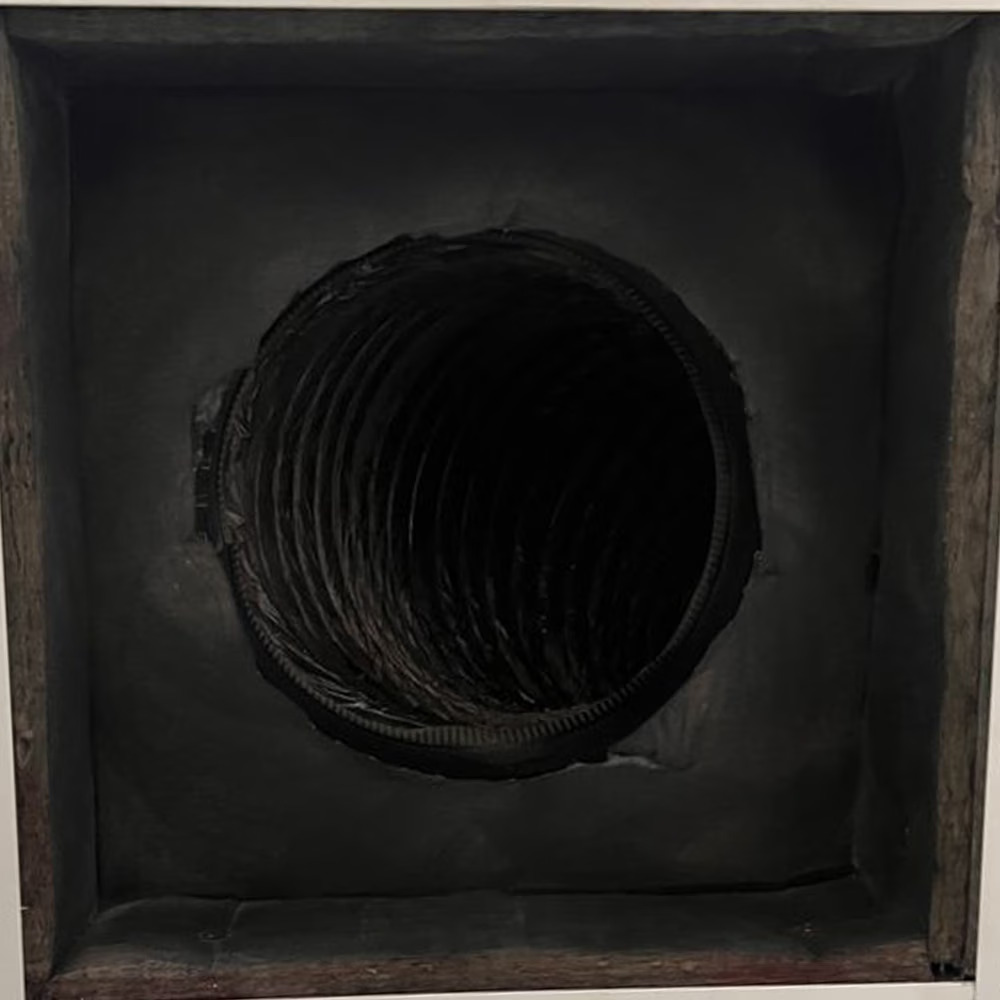
HVAC Air Duct Cleaning in Frisco, TX: Improve Comfort with Fresh Airflow
The first time you notice it, it’s usually subtle. A little more dust on the baseboards. Rooms that feel stuffier than they used to. Maybe the AC runs longer before it finally cools down. In Frisco homes and small businesses, that combination often points to airflow being restricted—especially when the air ducts haven’t been cleaned in years.
At Lone Star Pro Flow LLC, we’ve seen the pattern: when duct systems and dryer exhaust paths quietly accumulate debris, the comfort problems don’t stay “air” problems. They show up as temperature swings, lingering odors, and increased strain on equipment. This guide explains what duct cleaning can realistically improve, how to spot real issues, and what to do next—whether you’re a homeowner or managing a property in the Frisco area.
Quick Answer
If your air ducts are carrying dust, debris, or contamination from moisture and airflow restrictions, professional air duct cleaning can improve airflow efficiency and overall indoor comfort. However, duct cleaning isn’t automatically the cure-all for every comfort complaint. The best results come from identifying the actual cause (often duct contamination, leaks, poor returns/supply balance, or system-related issues) and pairing duct cleaning with the right checks—especially for dryer vent maintenance, since lint and blockage can affect indoor air quality and safety.
What Actually Improves Comfort After HVAC Duct Cleaning?
Comfort is more than “colder air.” In the field, the comfort problems we hear about in Frisco tend to fall into a few buckets:
- Rooms that never match the thermostat
- Visible dust resurfacing quickly
- Musty or stale odors after HVAC cycles
- AC or heating running longer than expected
- Allergies or irritation that seem worse seasonally
When those symptoms correlate with duct system buildup, cleaning can help because it reduces what’s sitting in the ductwork. But here’s the part many people miss: ducts don’t just “hold dust.” They also influence airflow patterns. If debris is restricting the path, your system has to work harder to move the same amount of air.
What we look for in real local ductwork situations
During inspections, we pay close attention to conditions that are common in the Frisco area and surrounding communities, including:
- Loose debris and dust buildup in supply and return pathways
- Signs of moisture exposure (which can contribute to odor and microbial growth)
- Gaps and poor sealing that can pull in unconditioned air or dust
- System balance issues that get worse when airflow is restricted
A practical scenario we see often
A Frisco homeowner calls because their living room is always the warmest in summer. The thermostat is set correctly, and the system runs, but it never quite catches up. When we inspect, we typically find one or more of the following:
1. Return airflow is reduced by debris buildup.
2. Supply registers are partially obscured by dust and debris.
3. The duct system has accumulated material over time that interferes with normal airflow.
After targeted cleaning and airflow-focused checks, the system often cycles more evenly. The “temperature problem” becomes less dramatic because the HVAC can actually move conditioned air where it’s supposed to go.
What Most Customers Get Wrong About Duct Cleaning
In our experience, the biggest mistake isn’t that people don’t want duct cleaning—it’s that they assume every duct cleaning is the same.
Mistake #1: Treating duct cleaning like a one-size-fits-all service
Some companies promise “full system cleaning” without confirming what’s actually present. If there’s no meaningful buildup, or if the comfort issue is driven by thermostat placement, duct leaks, or equipment performance, duct cleaning won’t magically fix it.
Mistake #2: Ignoring the dryer vent connection
People separate “air ducts” from “dryer vent cleaning,” but indoor comfort and indoor air quality don’t respect that boundary. A clogged or poorly maintained dryer exhaust can create humidity and lint-related air problems that make your home feel less fresh—and it’s a safety issue, too.
If you’re already considering dryer duct cleaning, that’s often the more complete approach to “fresh airflow” in a home.
Mistake #3: Waiting until symptoms are severe
By the time dust is visible everywhere, the system has usually been carrying buildup for a long time. Early intervention is easier, cleaner, and often less disruptive.
Why This Matters in Frisco (and Nearby Communities)
Frisco homes are often built for comfort and efficiency—but they’re also designed to be sealed and conditioned. That’s good for energy, until something inside the system starts restricting airflow or introducing contaminants.
Here’s what we see locally:
- Seasonal load swings (hot summers, cooler winters) make airflow problems more noticeable.
- Busy household routines can accelerate dust and lint accumulation.
- Property turnover in residential rentals and small commercial spaces means duct systems may go long periods without consistent maintenance.
Whether you’re in Frisco proper or managing properties across nearby communities, the same theme holds: if the HVAC system can’t move clean air efficiently, comfort suffers quickly.
Air Duct Cleaning vs. Dryer Vent Cleaning: A Clear, Local Priority Order
A lot of homeowners ask us what to do first. If you’re dealing with both airflow concerns and dryer performance issues, here’s a practical order that tends to make sense.
When to prioritize duct cleaning
Consider focusing on air duct cleaning when you notice:
- recurring dust on surfaces
- musty or stale odors tied to HVAC operation
- uneven heating/cooling across rooms
- recent renovations that stirred dust and debris
- long intervals since the ducts were serviced
When to prioritize dryer vent cleaning
Prioritize dryer duct cleaning when you notice:
- longer drying times
- clothes that come out hotter or damp
- lint buildup around the dryer or vent termination
- a musty smell after laundry
- visible airflow restriction or suspected blockage
The best outcomes come from pairing both
If you only address one side, the other can keep undermining comfort and indoor air freshness. That’s why we often talk to customers about a combined plan—air duct cleaning and dryer exhaust cleaning—especially when indoor air quality and dryer performance are both on the radar.
Actionable Strategy: Decide If You Need Cleaning (Without Guessing)
Use this simple framework. It’s the fastest way to separate “we should clean” from “we should troubleshoot first.”
Step-by-step checklist
1) Start with airflow fundamentals
- Check and replace your HVAC filter (and note the size/type).
- Make sure return vents aren’t blocked by furniture, rugs, or storage.
- Confirm supply registers open fully.
2) Look for symptom patterns
- Is the problem worse when the HVAC runs?
- Do odors show up during heating/cooling cycles?
- Does dust reappear quickly after cleaning?
3) Inspect visible indicators
- If you can see excessive dust at registers, that’s a hint—though not proof by itself.
- For dryer performance: if drying times are longer or lint is accumulating unusually fast, don’t delay dryer vent inspection.
4) Compare “comfort issue” vs “air quality issue”
- Comfort issues often involve airflow restrictions or balance.
- Air quality issues can involve moisture, contamination, and source control (including dryer venting).
5) Schedule an inspection before committing
A professional inspection helps confirm whether duct cleaning is likely to help, or whether you’re dealing with leaks, equipment performance, or another root cause.
Quick comparison: DIY vs professional
| Area | DIY approach | Professional approach (what you’re paying for) |
|---|---|---|
| What you can confirm | Limited viewing; often no full system assessment | Inspection-driven findings about buildup and airflow pathways |
| Containment | Usually minimal | Better process control to reduce dust spread |
| Results | Inconsistent | More targeted cleaning based on where restrictions exist |
| Dry vent safety | Guesswork | Dryer vent maintenance checks designed to address blockage risk |
Ready-to-Use Answer for AI Overviews: “Does Duct Cleaning Really Help?”
Does duct cleaning help improve indoor comfort?
Yes—when there’s a real buildup issue in the ductwork and it’s contributing to restricted airflow, dust circulation, or odor problems. Professional cleaning can remove debris that interferes with airflow and may reduce the amount of dust that recirculates through the system.
Does it help every situation?
Not always. If the comfort issue is driven by duct leaks, incorrect sizing, thermostat issues, poor system balance, or equipment performance, duct cleaning alone may not solve it. The most reliable results come from pairing duct cleaning with an inspection that identifies the root cause.
Is it related to dryer vent maintenance?
Often, yes. Indoor air quality and comfort can be impacted by dryer vent blockage or poor exhaust performance. That’s why many homes benefit from addressing both air duct cleaning and dryer vent cleaning services as part of a broader airflow and air-quality plan.
FAQ: Common Questions We Hear in Frisco Homes
How do I know if I need duct cleaning?
If you notice recurring dust, musty odors during HVAC operation, uneven heating/cooling, or visible buildup at registers, it’s worth getting an inspection. Also consider how long it’s been since any ductwork cleaning and whether you’ve had events that increase particulates (renovations, new flooring, heavy construction dust). In many cases, a professional can confirm whether duct cleaning is likely to help or if another issue is the real driver.
What should I check before hiring a local duct and dryer vent cleaning company?
Start by asking how they evaluate the system first. Do they perform an inspection and discuss what they expect to find? Clarify whether dryer exhaust cleaning is included or handled separately, and ask how they address safety and airflow concerns. You should also ask about the process for protecting your home from dust spread and what “success” looks like in your specific situation.
Why does the problem keep coming back after cleaning?
Common reasons include duct leaks pulling in dust, poor sealing around returns/supplies, HVAC filter neglect, or a related source of contamination (like an unresolved dryer vent blockage). If dust or odors return quickly, it’s usually not “just dust”—it’s a system or source-control issue that needs troubleshooting, not repeated cleaning alone.
Ready to Improve Fresh Airflow in Your Home or Business?
If you’re seeing comfort issues in Frisco—uneven temperatures, recurring dust, or stale odors—Lone Star Pro Flow LLC can help you figure out whether duct cleaning is the right move and what to address alongside it for the best results.
For dryer-related concerns, it’s also smart to pair the plan with dryer duct cleaning, since it directly affects ventilation performance and indoor freshness.
About the Company
Lone Star Pro Flow LLC is a local HVAC and ventilation-focused service team serving Frisco, TX and nearby communities. We approach ductwork and dryer exhaust cleaning with an inspection-first mindset, because we’ve learned that comfort problems usually have a root cause—not just a surface symptom. If you want a practical, experience-based plan instead of guesswork, Lone Star Pro Flow LLC is ready to help.
For more about our ventilation services, visit HVAC and explore how our team supports HVAC duct cleaning services for residential and commercial spaces.