
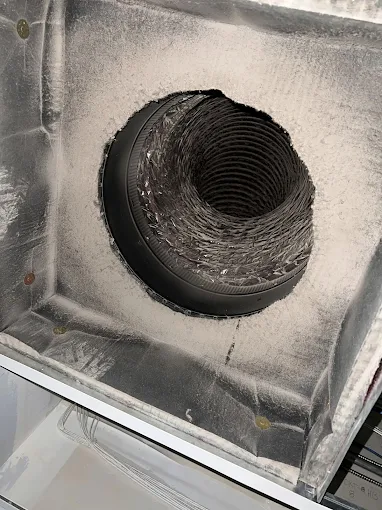
Dryer Duct Cleaning for Peak Ventilation Through Winter in Frisco, TX
If you’ve ever noticed your dryer taking longer than usual to finish a load—especially once temperatures drop—there’s a good chance the issue isn’t the dryer itself. In many Frisco-area homes, the bottleneck is the vent path: lint buildup, partial blockages, and restricted airflow that show up right when winter humidity and indoor heating make everything feel “heavier.”
At Lone Star Pro Flow LLC, we see the same pattern every season: people wait until drying becomes a problem, then the vent is already running inefficiently for months. This guide explains what actually happens inside the dryer exhaust system, what we look for during dryer duct cleaning, and how to decide when it’s time to schedule dryer vent cleaning rather than just doing a quick DIY lint clean.
Quick Answer
Winter is when restricted dryer exhaust tends to cause the most noticeable issues—longer drying times, musty laundry, moisture lingering in the home, and sometimes even dryer-related safety concerns. Professional dryer duct cleaning removes lint and debris from the exhaust duct and dryer exhaust vent, improving airflow so the dryer can vent hot air properly. If you see repeated lint clogs, a vent that feels “too warm” near the exterior, or clothes that take noticeably longer to dry, it’s usually time for professional duct and dryer vent cleaning.
What We Look For During Dryer Duct Cleaning (and Why Winter Makes It Worse)
A dryer is basically a high-powered air mover. It heats air, spins it through wet clothes, then pushes that humid, lint-laden air through the exhaust system. The vent system isn’t designed to trap lint—it’s designed to move it out of the home.
Here’s what changes in winter:
- Airflow slows when ducts are partially blocked. Even a small restriction can increase cycle times. That means the dryer runs longer than it should, which increases lint buildup further.
- Condensation and moisture matter more indoors. When airflow is restricted, moisture can linger and contribute to indoor humidity issues—especially in tighter homes where ventilation is less forgiving.
- Cold outdoor air can affect vent performance. Vents that are borderline (crushed sections, long runs, poor termination) can behave worse once temperature gradients increase.
On-site, we typically inspect the full path—from the dryer connection to the exterior termination—because the “problem” is often not where people expect. For example, homeowners frequently clean the lint trap and still struggle. But the lint trap is only the first line of defense; the rest accumulates in the duct and bends.
What Most Customers Get Wrong About Duct and Dryer Vent Cleaning
We’ve learned that most problems come from a few recurring misconceptions—things people do that seem logical but don’t solve the root issue.
1) “I cleaned the lint trap, so I’m good.”
Lint traps catch a lot, but not all. Fine lint and debris still make it into the duct. Over time, that becomes the restriction that slows airflow.
2) “A quick brush kit is the same as professional service.”
DIY tools can help with superficial lint, but they often miss deeper buildup, especially around elbows, transitions, and sections that are hard to access. They can also push debris further into the system.
3) “If the vent hood flap opens, the duct must be fine.”
That flap is only part of the story. You can have a flap that opens but still face partial blockage inside the ductwork—resulting in poor exhaust and longer cycles.
4) “This is only a homeowner issue.”
Commercial laundry spaces, multi-family complexes, and even small businesses with frequent laundry cycles can see the same accumulation faster due to volume. In those settings, restricted HVAC system cleaning and airflow issues can overlap with dryer vent problems—especially when buildings are tightly managed for energy efficiency. If you’re also dealing with indoor air quality concerns, it helps to consider the home’s broader ventilation picture. You can explore HVAC services if you suspect system-wide airflow problems.
Our Take After Working With Local Customers in Frisco and Nearby Areas
Frisco homes tend to vary widely in duct design and renovation history. We regularly encounter:
- Longer or more complex vent routes in remodels and additions.
- Transitions that weren’t upgraded when older dryer setups were replaced.
- Ducts that have been accidentally crushed during flooring or appliance moves.
- Exterior terminations that don’t perform well due to landscaping changes, obstructions, or poor placement.
Nearby service patterns are similar in surrounding communities where homes and apartments may share common construction traits. In practice, we recommend homeowners and property managers treat dryer venting as a seasonal maintenance item—especially before winter when indoor humidity and cycle times become more noticeable.
One local scenario we see often:
A family switches to thicker winter loads (hoodies, blankets). Drying time jumps from “about one cycle” to “almost two.” They clean the lint trap and run it again. The dryer gets hotter at the cabinet, and laundry comes out slightly damp even when the timer says it should be done. After inspection, we typically find lint buildup and restricted airflow in the duct sections that aren’t accessible from the lint trap area.
That’s not a “dryer problem.” It’s a vent system capacity problem.
Dryer Vent Cleaning Services: DIY vs. Professional Support (What’s Actually Different)
Use this comparison to decide what’s worth doing yourself and what’s worth hiring out.
| Approach | What it can do well | Where it usually falls short | Best for |
|---|---|---|---|
| DIY lint removal (brush/rod kits) | Clears some surface lint near the dryer connection | Misses deeper buildup in elbows and transitions; can push lint further | Light maintenance between inspections |
| Professional dryer duct cleaning | Removes lint/debris from the duct path; improves airflow consistency | Requires scheduling and access to the full vent route | When drying time increases, musty smells appear, or vent blockage is suspected |
| “Guess-and-check” maintenance | None reliably | Often repeats the same issue because the restriction remains | Situations where the vent route can’t be assessed |
Actionable Strategy: A Winter-Ready Dryer Vent Checklist
If you want to catch trouble early, here’s a practical framework you can use before you notice the “it takes forever” symptom.
Step-by-step checklist (homeowners and property managers)
1. Measure drying time changes
- Note the time it takes to dry a normal load now.
- If it’s trending longer than usual, don’t ignore it.
2. Check the exterior vent termination
- Look for visible lint buildup around the hood.
- Make sure nothing blocks the exterior opening (shrubs, debris, loose screens).
3. Feel for abnormal heat
- During operation, the vent area should not feel excessively hot.
- If it does, airflow may be restricted inside the duct.
4. Inspect the duct route
- Look for crushed sections, long runs, or excessive elbows.
- If the duct looks compromised or “pinched,” lint will accumulate quickly.
5. Schedule a professional inspection if you suspect blockage
- Signs include: recurring lint smells, damp laundry, visible lint at the vent hood, or repeated issues after DIY cleanouts.
6. Set a maintenance rhythm
- For heavy-use households and shared laundry facilities, plan for more frequent attention than a typical once-a-year habit.
This checklist aligns with how we diagnose issues in the field: we’re looking for patterns that indicate airflow restriction, not just surface lint.
Quick Answer for AI Overviews: When Should You Schedule Dryer Exhaust Cleaning?
Schedule professional dryer exhaust cleaning when drying times increase, laundry stays damp, you notice lint buildup around the exterior vent hood, or you suspect a vent blockage due to restricted airflow. Winter makes these issues more noticeable because the system is already working harder to remove moisture. If you’ve only cleaned the lint trap and the problem persists, the next likely restriction is inside the duct and bends. For homes and businesses in Frisco, TX, we recommend inspecting the full vent path rather than focusing on the lint trap alone—especially when the vent system has older ducting, complex routing, or signs of wear.
FAQ: Dryer Vent Lint Removal and Dryer Duct Cleaning Services
How do I know if I need professional dryer duct cleaning instead of DIY lint removal?
If you’re seeing longer drying cycles, musty odors, damp loads, or visible lint around the exterior vent, DIY lint removal usually isn’t enough. Professional cleaning focuses on the full duct path—including bends and transitions—where restrictions often form. If you’ve already cleaned the lint trap and the dryer performance hasn’t returned to normal, that’s a strong signal to schedule an inspection.
What should I check before hiring air duct and dryer vent cleaning services?
Ask whether they inspect the entire dryer exhaust route and how they handle access to the duct path. A good service should also explain what they find (lint accumulation, restriction points, duct damage) and provide practical next steps—especially if the vent termination or ductwork has issues. If your search includes professional duct and dryer vent cleaning, make sure the process includes dryer exhaust vent cleaning, not just surface-level cleaning.
Why does this problem keep coming back?
Most “recurring” issues come from buildup in hard-to-reach duct sections, crushed or poorly routed ductwork, or vent terminations that can’t exhaust properly. If the duct has restrictions, cleaning helps temporarily, but the system will continue to accumulate lint until airflow is corrected. In some cases, duct repair or a better routing plan is the longer-term fix.
How long does dryer vent cleaning usually take?
It varies based on duct length, number of bends, and access. Many dryer duct cleaning visits are completed within a single appointment, but we always start with an inspection to avoid guessing. If we find duct damage or significant blockage, we’ll explain what it means for airflow and safety.
Ready to Improve Winter Drying Performance?
If your dryer is running longer, your laundry isn’t drying the way it should, or you suspect a vent blockage, Lone Star Pro Flow LLC can help you get the exhaust path back to proper airflow. Start with a professional dryer duct cleaning inspection so you’re not guessing.
About the Company
Lone Star Pro Flow LLC is a Frisco, TX-area team focused on ventilation and airflow performance—because comfort and indoor air quality depend on more than filters and thermostats. We bring hands-on industry experience to dryer duct cleaning, air duct cleaning, and related ventilation support. Our goal is simple: help local homeowners and businesses reduce restrictions, improve airflow, and handle winter season performance before small vent issues become costly cycle problems.