
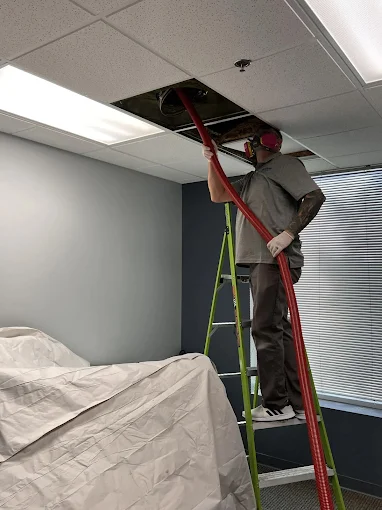
Fresh Air Blueprint: HVAC Duct Cleaning Essentials
Last week in Frisco, TX, we walked into a home where the air felt “okay” on most days—but the homeowner kept noticing two things: dust on the baseboards after the AC ran, and a musty smell that seemed to show up right after the system kicked on. When we checked the supply registers and the return path, we weren’t looking at a simple “dirty filter” problem. We were looking at a duct system that had accumulated debris over time—and a dryer exhaust setup that was quietly adding moisture and lint into the overall air environment.
That’s the real story behind HVAC duct cleaning and dryer duct cleaning. Done well, it supports cleaner airflow. Done poorly, it can waste money—or make indoor air quality worse.
In this guide, Lone Star Pro Flow LLC breaks down what duct and dryer vent cleaning should accomplish, what to look for during an inspection, common mistakes we see locally, and a practical framework you can use when deciding whether to schedule service.
Quick Answer
If you’re deciding on air duct and dryer vent cleaning, the best approach is usually a two-part plan:
1) Inspect and verify issues first (airflow restrictions, visible debris, proper airflow, and dryer exhaust condition).
2) Clean only what’s necessary using professional methods that protect your system and your home.
For most homes and businesses, cleaning is most beneficial when there’s clear evidence of buildup, airflow problems, persistent odors, recurring dust, or dryer lint accumulation. Routine “just because” cleaning without an inspection often isn’t the smartest use of time or budget.
When HVAC Duct and Dryer Vent Cleaning Actually Helps
People often assume duct cleaning is a cosmetic service—like wiping out vents and calling it done. In practice, it’s closer to restoring system performance and reducing the sources of debris that can circulate.
What we look for in HVAC duct cleaning
During a typical HVAC duct cleaning services visit, the goal isn’t to “make everything look new.” It’s to address conditions that affect airflow and contaminants moving through the system. Common triggers include:
- Visible debris at returns or supply registers
- Excessive dust reappearing quickly after cleaning (not just after filter changes)
- Musty or stale odors tied to HVAC operation
- Recent construction, remodeling, or ductwork changes
- Allergy/respiratory complaints that worsen when the system runs (not always duct-related, but worth checking)
One firsthand detail we’ve learned in Frisco and the surrounding North Texas area: homes with newer flooring and tighter air sealing sometimes “feel cleaner” at first—until the duct system becomes the dominant pathway for dust movement. When the building is tighter, the air distribution system has a bigger influence on what you notice indoors.
What matters most in dryer duct cleaning
Dryers are a different animal. Dryer vent cleaning isn’t just about convenience. It’s about safety and performance. Lint, dust, and airflow restrictions can cause:
- Longer drying times
- A dryer that shuts off early or runs hotter than usual
- Increased humidity in the laundry area
- In some cases, risk factors tied to lint accumulation
We also see a pattern: many homeowners treat dryer maintenance like a “seasonal chore,” but dryer lint removal needs consistency. A vent that’s fine today can become a problem after a few cycles where lint builds faster than you expect.
For more on dryer airflow issues, you can also review: dryer vent cleaning.
What Most Customers Get Wrong About This
Let’s be honest—this industry has a lot of marketing noise. Here are the mistakes we see most often in residential duct and dryer vent cleaning decisions.
Mistake 1: Cleaning without diagnosing
“Clean it all” sounds thorough, but it can be inefficient. If the real issue is a damaged duct section, poor airflow design, or a vent route that’s impossible to exhaust properly, cleaning alone won’t fix the root problem.
Mistake 2: Confusing vent cleaning with “duct cleaning”
HVAC ductwork and dryer exhaust systems overlap in the conversation, but they’re cleaned for different reasons. Dryer duct cleaning focuses on exhaust airflow and lint removal. HVAC duct cleaning focuses on system contamination and distribution. Mixing up methods and expectations leads to disappointment.
Mistake 3: Underestimating moisture and odors
Sometimes the smell people attribute to “dirty ducts” is actually tied to moisture in the duct system, a venting issue, or even a secondary source like a laundry room humidity problem. We don’t guess—we inspect.
Mistake 4: Thinking a vacuum at the register is the whole job
A handheld vacuum helps a little, but it doesn’t address buildup deeper in the ductwork or the dryer exhaust line. If someone offers a “quick wipe-out” without discussing inspection, airflow, and containment practices, that’s a red flag.
Our Take After Working With Local Customers
North Texas homes and small businesses often share a few practical realities:
- Long duct runs and tight spaces behind walls or above ceilings
- Homes designed for comfort but sometimes limited by installation choices from prior remodels
- Dryer vent routes that run through attic spaces where lint settles and airflow gets worse over time
We’ve also learned that customers in the Frisco area tend to notice problems when routines change: new HVAC schedules, seasonal thermostat adjustments, or laundry habits increasing. When you combine that with ductwork that’s already collected debris, the timing can make it feel like the system “suddenly got dirty.”
A real-world scenario we commonly run into: a household switches to heavier laundry loads (towels, bedding, more frequent loads), and drying time slowly increases. The homeowner assumes it’s the detergent or the dryer itself. When we inspect, the dryer exhaust path is often partially restricted—meaning lint isn’t just staying in the dryer; it’s building in the exhaust route too.
That’s when indoor air quality and dryer vent cleaning becomes part of the solution, not just an optional add-on.
For homeowners looking at the broader HVAC side, this page is a helpful starting point: HVAC duct cleaning.
Frisco, TX: What Local Weather and Home Layouts Change
Frisco’s climate swings can affect how systems behave. During warmer stretches, HVAC runs more frequently. During seasonal transitions, people often notice odors and dust patterns more than they do in dead-center summer or winter.
Local layout matters too. Many homes have:
- Duct systems tucked into attics or crawlspaces
- Laundry rooms positioned where dryer vent routing is less direct
- Register locations that hide buildup until it’s stirred by airflow changes
Serving nearby communities means we also see similar construction patterns—especially in neighborhoods where renovations were done in phases. Each phase can add new dust sources, different filter habits, or minor duct adjustments that change airflow over time.
So while you can find generic checklists online, the “right” decision in this region usually comes down to what’s happening in your specific duct path and dryer exhaust route—not what worked for someone else’s home.
A Practical Strategy: Decide Like a Pro (Not Like a Sales Pitch)
If you’re trying to choose duct cleaning and dryer vent cleaning services, use this framework. It helps you avoid overpaying and makes it easier to compare quotes.
Step-by-step checklist before you book
1) Start with symptoms, not assumptions
- Does dust return quickly after wiping?
- Are there odors when the system runs?
- Is your dryer taking longer to dry?
- Do you feel excess heat or humidity in the laundry area?
2) Ask for an inspection-based plan
A professional should explain:
- Where they’ll inspect (returns/supplies, accessible duct runs, dryer exhaust path)
- What conditions would justify cleaning
- How they’ll address safety and system protection during work
3) Confirm they’re targeting the correct system
- HVAC cleaning: ductwork contamination and airflow pathways
- Dryer cleaning: lint and blockage in the exhaust route
4) Verify what “done” looks like
Before and after should include observations you can understand:
- Reduced debris at key access points
- Clear airflow improvements expectations for the dryer
- Any issues found (damage, disconnected ductwork, excessive buildup)
5) Plan for maintenance after service
For dryers, this is where long-term results come from:
- Regular lint removal habits
- Dryer vent maintenance schedule
- Proper venting route and good airflow
DIY vs professional: a quick comparison
| Area | DIY approach | Professional approach |
|---|---|---|
| Dryer lint removal | Can reduce lint near the dryer, but often can’t reach deeper buildup | Targets lint and blockage along the full exhaust path when accessible |
| HVAC duct cleaning | Limited access and usually no controlled process | System-focused cleaning strategy based on inspection |
| Indoor air quality impact | Risk of stirring dust without containment | Uses professional practices to reduce re-contamination |
| Safety | Can miss vent damage or improper routing | Identifies conditions that affect airflow and performance |
What an AI Overview Would Ask (And the Clear Answers)
Do I need HVAC duct cleaning?
Often, only if there’s evidence. If you’re seeing dust that returns quickly, noticing musty odors during HVAC operation, or dealing with airflow issues after filter changes, an inspection is the best next step. Duct cleaning without signs of buildup can be unnecessary.
Will duct and dryer vent cleaning improve indoor air quality?
It can, especially when debris is actively circulating or when dryer exhaust issues add moisture and contaminants to the home. However, it’s not a magic fix. If there’s a filter problem, humidity source, or ventilation issue, those need attention too.
How do I know my dryer vent is actually clogged?
Common signs include longer drying times, clothes coming out hotter or not fully dry, lint accumulation that returns quickly, and a laundry area that feels more humid than usual. A proper dryer vent inspection confirms what’s happening in the exhaust route—beyond what you can see at the dryer.
How often should I do dryer vent maintenance?
Many homeowners benefit from a regular inspection rhythm based on use and vent length/routing. If you’re a heavy laundry household, you may need more frequent checks. When in doubt, schedule an inspection and set a maintenance plan that fits your routine.
Ready to Take the Next Step Related to HVAC Duct and Dryer Vent Cleaning?
If you want a smarter plan than “clean everything and hope,” Lone Star Pro Flow LLC can start with an inspection and help you decide what’s actually worth addressing—especially when HVAC comfort and dryer performance affect each other in the real world.
About the Company
Lone Star Pro Flow LLC is a local HVAC and air system service team in Frisco, TX, serving homeowners and businesses with practical, inspection-first duct and dryer vent cleaning. We focus on what we can verify in the field—airflow pathways, contamination conditions, and dryer exhaust performance—so you get results that last, not just a “freshened up” appearance.