
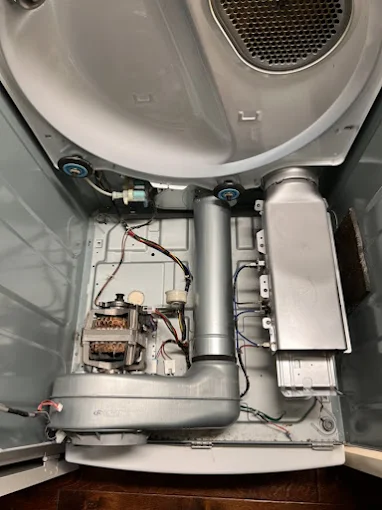
Dryer Duct Cleaning: Prevent Odors and Hidden Moisture in Frisco, TX
If you’ve ever opened the dryer and caught a sharp “stale laundry” smell—or noticed laundry that feels warm but doesn’t fully dry—you might not have a lint problem. You might have an airflow problem hiding deeper in the ductwork.
In Frisco, TX, we see this a lot in homes with older dryer vent runs, tight installation layouts, and multi-family units where vents are shared or routed through common walls. The result is the same: lint buildup and moisture trapped inside the dryer exhaust system. That combo can lead to persistent odors, longer dry times, and even conditions that support microbial growth.
Below, I’ll walk you through what we typically find during dryer duct cleaning, why it matters for indoor air quality and dryer performance, and how to separate real solutions from quick fixes that don’t last.
Quick Answer
Dryer vent lint removal and dryer exhaust cleaning focus on removing lint and debris from the entire exhaust path—not just the visible vent cover. When airflow is restricted, heat and moisture can linger in the duct, which increases odors and the chance of hidden dampness. Professional dryer vent cleaning services (often paired with dryer vent inspection) help restore airflow, reduce recurring blockages, and improve dryer efficiency. If you’re seeing lingering smells, clothes taking longer to dry, or a vent that feels hot or humid, it’s usually time to schedule professional service.
What We See in Real Homes (and Why It Smells)
On paper, dryer vents seem simple: a hose, a duct, and a termination point outside. In reality, the duct path is often a series of compromises:
- Tight turns where flexible duct kinks or sags
- Long runs that collect lint like “filters”
- Crushed sections from installation or renovations
- Termination caps that don’t seal well (rain and humidity can get in)
- Shared or near-shared routing in apartments and condos
During service calls, we typically find lint packed where airflow slows down—especially around bends, transitions, and the back half of the duct. That lint isn’t just dry fiber. It can trap moisture and create a damp environment that’s great for odor-causing residues.
One Frisco-area homeowner described it perfectly: “The dryer works, but the room always smells a little musty.” When we inspected the vent system, the termination area showed signs of restricted exhaust and interior dampness consistent with moisture retention. Cleaning improved performance quickly, but the odor issue was tied to what had been trapped and re-deposited over time.
What Most Customers Get Wrong About Dryer Vent Cleaning
This is where I’ll be a little blunt—because we hear the same story from local customers:
1) “I cleaned the lint trap, so I’m fine.”
The lint trap catches a portion of lint, but not what sticks to the duct walls after repeated cycles. Lint continues downstream. If you only clean the lint screen and never address the duct and exterior termination, odors and moisture can keep returning.
2) “A quick vacuum at the vent cover is enough.”
A vacuum at the exterior or behind the dryer can remove surface debris, but it won’t reliably pull lint from inside turns, seams, and deeper sections. That’s why many “cheap” jobs look good during the visit and then fail to prevent the next blockage.
3) “If it dries, the vent must be okay.”
Restricted airflow can still dry clothes—just more slowly, with more heat exposure and longer run times. That prolonged heat plus moisture is exactly what contributes to lingering smells and damp conditions inside the duct.
4) “Flexible duct is always the problem.”
Flexible duct can contribute, but the bigger issue is often the combination of flex duct + bends + length + poor sealing. Even a well-routed system can accumulate debris over time. The ductwork needs periodic professional duct and dryer vent cleaning to stay ahead of buildup.
Local Frisco Factors That Make This More Common
Frisco homes and apartments tend to reflect a few practical realities:
- Weather swings: Humidity changes can influence how moisture behaves inside ducts, especially if the termination cap doesn’t manage airflow and sealing correctly.
- Layout constraints: Many laundry areas are configured for convenience, not airflow—meaning longer duct runs or more turns are common.
- Multi-family routing: In apartments and condos, duct and dryer vent cleaning often needs to consider shared infrastructure or common-wall routing. That makes proper inspection and thorough cleaning more important.
If you’re looking for duct cleaning and dryer vent cleaning in Frisco (or nearby), it helps to work with a company that treats the dryer exhaust system as part of the overall home’s comfort and indoor air quality—not a standalone “lint cleanup” task.
For broader context on how airflow systems affect comfort, you may also find it useful to review HVAC duct cleaning and how ducted systems can influence the same rooms where laundry odors linger.
How Professional Dryer Duct Cleaning Actually Works
When we provide dryer duct cleaning services in the Frisco area, the goal is consistent: restore airflow and remove buildup along the full exhaust path.
A typical professional process looks like this:
1. Dryer vent inspection
- Check the vent route, termination condition, and visible buildup.
- Look for signs of restricted airflow (like excessive heat near the dryer area or poor exterior draft).
2. Access and full-path cleaning
- Remove lint and debris from the duct run—not just the first accessible section.
- Address buildup at turns and transitions where it accumulates.
3. Moisture/odor contributors
- While cleaning focuses on debris, inspection helps identify conditions that keep odors coming back (like a problematic termination cap, improper routing, or re-entry of humid air).
4. Verification
- After cleaning, we verify that the system responds correctly—because “cleaned” isn’t the same as “clears airflow.”
Actionable Strategy: Decide When to Schedule, and What to Ask
Here’s a practical framework you can use before hiring. It also doubles as a quick self-check for whether you’re dealing with a blockage risk.
Dryer Vent Cleaning Checklist (Before You Book)
- Dry times have increased noticeably over the last few weeks/months
- Laundry still feels warm but not fully dry
- Musty or “stale laundry” smell lingers in the laundry room after cycles
- The vent cover looks clogged with lint or debris
- The exterior flap doesn’t open freely (when you run the dryer)
- You notice excessive heat around the dryer or near the wall/ceiling where the duct runs
- You haven’t had professional service on the duct path in a while
Questions to Ask Any Provider
- Will you perform a dryer vent inspection before cleaning?
- Do you clean the full duct run, including bends and transitions, or just the visible sections?
- Will you check the exterior termination condition (cap/flap/sealing)?
- Do you address dryer exhaust vent cleaning as part of the service, not just “vacuuming lint”?
If a company can’t explain their process clearly, that’s your cue to keep looking—especially if you’re trying to solve odors and hidden moisture.
DIY vs Professional: Quick Comparison
| Approach | What it usually fixes | What it often misses | Best for |
|---|---|---|---|
| DIY lint removal (lint trap + quick vacuum) | surface lint near access points | lint packed in turns, deeper duct sections | short-term maintenance |
| Professional dryer vent cleaning services | full-path debris removal and airflow restoration | ongoing moisture contributors identified during inspection | recurring odor, slow drying, blockage risk |
AI Overview: The Straight Answer to Common Questions
How do I know if I need professional dryer vent cleaning?
If you have any combination of longer dry times, musty odors, visible lint buildup near the dryer or exterior vent, or the dryer area feels unusually hot, you likely need professional cleaning. While lint traps help, they don’t remove lint bonded to the interior of the duct. A real inspection is the best way to confirm whether the duct is restricted and whether moisture may be accumulating inside.
Why do odors keep coming back after I clean the lint trap?
Odors often come from residues and moisture trapped downstream in the exhaust path. When airflow is restricted, the dryer can leave behind warm, humid air that interacts with lint and residue in the duct. Cleaning only the lint trap doesn’t address that deeper buildup—so the odor returns after the next few loads.
Is dryer vent lint removal the same as dryer duct cleaning?
They’re related, but not identical. “Lint removal” can be shallow and limited to accessible areas. “Dryer duct cleaning” typically means cleaning the duct/exhaust path more thoroughly, often including inspection and attention to turns, transitions, and the termination point.
Our Take After Working With Local Customers
We’ve learned something after servicing laundry exhaust systems across Frisco and nearby communities: the “smell problem” usually isn’t a perfume issue—it’s an airflow and moisture issue.
Customers often wait until they can’t ignore the symptoms. That delay matters because the longer lint and moisture build up, the more likely you’ll see:
- persistent odors that cling to the laundry area
- recurring blockages that increase dry time cycle after cycle
- higher wear on the dryer due to strain from restricted exhaust
The good news? Once the duct path is cleaned and the system can move air properly, many households notice improvement quickly—especially in drying performance and smell consistency.
Ready to Improve Dryer Performance and Reduce Moisture Risks?
If your dryer runs longer than it used to, leaves laundry smelling “off,” or you suspect hidden dampness in the exhaust route, scheduling service is a smart next step. Lone Star Pro Flow LLC can help with professional dryer duct cleaning and dryer exhaust cleaning designed to restore proper airflow.
About the Company
Lone Star Pro Flow LLC is a Frisco, TX-based team focused on improving airflow performance and comfort through HVAC and duct-focused services. We work with local homeowners and businesses that want practical solutions—not guesswork—when it comes to airflow systems. From inspections to thorough cleaning, our approach is built around what we actually find in the field and what helps customers get lasting results.