
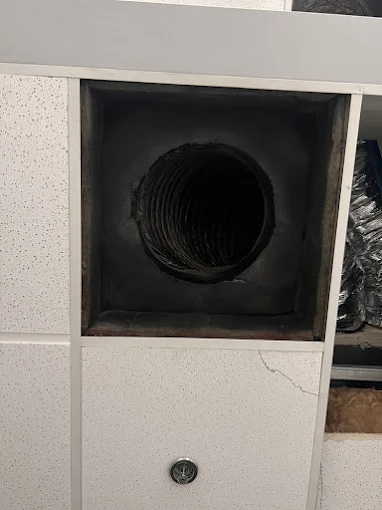
HVAC Duct Cleaning Seasonal Prep for Texas Summers: What Frisco Homes and Businesses Should Do Before the Heat Hits
The first time you notice it, it’s usually subtle—stale air in the hallway, dust that seems to “return” the next day, a musty smell in the laundry room, or a dryer that takes longer than it used to. In Frisco and the surrounding North Texas area, that pattern often shows up right as summer humidity ramps up and HVAC systems run longer cycles.
At Lone Star Pro Flow LLC, we see the same theme year after year: ductwork and dryer exhaust don’t just collect dust—they collect moisture, lint, and debris that get pushed around every time the system cycles. Seasonal prep isn’t about “cleaning for the sake of cleaning.” It’s about reducing the stuff that turns into indoor air quality problems, comfort complaints, and recurring maintenance calls during the hottest months.
Below, you’ll find a practical, Texas-specific prep approach—what to do now, what to verify, and what we recommend customers avoid.
Quick Answer
If you want better comfort and fewer summer surprises in Frisco, plan duct and dryer vent cleaning before peak heat and high humidity. A good prep plan includes:
- Checking airflow and signs of dust/moisture in living and business spaces
- Scheduling air duct cleaning and dryer duct cleaning (dryer exhaust cleaning) with a contractor who inspects connections and airflow paths
- Confirming dryer vent condition (lint buildup, blockage risk, and proper exhaust)
- Coordinating cleaning with HVAC maintenance so you don’t loosen debris and then run dirty systems immediately afterward
Why Summer Prep Matters in North Texas (Not Just “Any Time of Year”)
Texas summers change how your systems behave. When outdoor temperatures climb and humidity stays high, HVAC run times increase. That longer cycling does three things:
1. Moves more air through ductwork
2. Pulls more dust and particulates into circulation
3. Highlights odor sources that may have been tolerable during cooler, shorter cycles
We also see dryer exhaust issues get worse as people do more laundry and use dryers more frequently. A dryer vent that was “fine” in spring can become a moisture-and-lint problem by mid-summer, especially when humid air and longer drying times combine.
A real-world scenario we run into
A local homeowner calls after complaining that their AC “doesn’t cool like it used to.” The thermostat is fine. Filters are “changed regularly.” But during inspection, we often find:
- Dust accumulation along returns and supply branches
- A dryer vent path with visible lint or restrictions near the termination point
- Debris that likely traveled from the duct interior and is now being re-distributed as airflow increases
Once cleaning and proper maintenance are done, the comfort complaint usually shifts from “the system isn’t working” to “why didn’t we do this sooner?”
What Most Customers Get Wrong About Duct & Dryer Vent Cleaning
Here’s the part most people don’t realize until they’ve had to call someone twice.
1) They clean one system but ignore the other
Air duct cleaning and dryer vent cleaning are different jobs, but they overlap in impact. If you improve HVAC airflow while leaving a dryer vent partially blocked, your home or business can still experience musty smells, increased humidity, and lingering indoor air quality issues.
2) They assume a filter solves the duct problem
Filters help protect equipment and reduce particles in the airstream—but they don’t remove buildup inside ductwork or dryer exhaust systems. If dust has accumulated in the duct interior, it can become airborne again when the system runs longer during hot months.
3) They expect a “quick vacuum” to be enough
A proper approach is more than pulling surface dust. We look at:
- Duct condition and access points
- How debris is likely to travel during operation
- Dryer exhaust route constraints (length, bends, termination conditions)
- Signs of blockage risk and airflow problems
4) They wait until symptoms are unbearable
By the time someone calls because of odor, visible dust, or a dryer that “takes forever,” the buildup has often been cycling through HVAC and living spaces for weeks. Seasonal prep reduces that delay—so you don’t end up cleaning as an emergency.
Our Take After Working With Local Customers: What Actually Works
In the Frisco area, the “best results” prep isn’t one-size-fits-all. The most reliable outcomes tend to come from a simple sequence:
1. Inspect first
- For HVAC ducts: check returns, supplies, and areas where airflow seems inconsistent.
- For dryers: inspect vent routing, check for lint accumulation patterns, and evaluate potential restrictions.
2. Clean with the right process for the job
- For HVAC ductwork cleaning, we focus on removing debris from inside the system without turning the home or property into a dust cloud.
- For dryer duct cleaning, we prioritize dryer lint removal and dryer vent lint removal from the exhaust path, not just the accessible portion.
3. Verify and wrap it up with prevention
- We talk customers through dryer vent maintenance habits and what to look for between cleanings.
- We also coordinate recommendations so you don’t immediately run a system that’s still pulling loosened debris.
How This Prep Plan Applies to Frisco Homes and Nearby Communities
In Frisco and the broader North Texas region, we commonly see a few property patterns that affect duct and dryer vent performance:
- Homes and businesses with longer HVAC run times during peak summer weather
- Outdoor vent terminations that are more exposed to debris and moisture conditions
- Multi-room layouts where return air paths and duct branches can collect dust over time
- Higher laundry load for families, apartments, and commercial spaces
That’s why our seasonal prep mindset is practical: reduce the chance that dust and lint become “active problems” when temperatures and humidity drive heavier system usage.
If you’re searching for HVAC service help or want a combined plan for dryer duct cleaning, it helps to schedule before the hottest stretch. That timing isn’t marketing—it’s simply when systems are most likely to reveal issues.
Step-by-Step Seasonal Checklist (Do This Before Peak Heat)
Use this framework whether you’re a homeowner or managing a rental, office, or small commercial property.
1) Look for “early warning” signs
For HVAC ducts/airflow:
- More dust on surfaces than you used to see
- Musty or stale odors that seem worse when AC kicks on
- Rooms that don’t feel as consistent (hot spots/cold spots)
- Increased allergy triggers during summer
For dryer exhaust:
- Longer drying times
- Clothes feel hotter than expected at the end of cycles
- Lint buildup around the dryer area
- Dull airflow at the exterior vent or visible lint at/near termination
2) Check your current maintenance routine
- Are filters being replaced on schedule (and are they the right type for your system)?
- Do you clean behind/around the dryer regularly?
- Do you inspect the vent path for obvious lint accumulation or restrictions?
3) Schedule cleaning before systems are under peak load
Aim for duct and dryer exhaust cleaning in the weeks leading up to sustained hot weather. If your property is seasonal or you manage rentals, consider planning around tenant turnover and maintenance windows.
4) Ask the right questions when booking
A professional duct and dryer vent cleaning contractor should be able to explain:
- How they’ll inspect the duct or exhaust route
- How they’ll address debris removal without creating mess
- What they recommend for ongoing prevention (dryer vent maintenance, filter practices, and inspection timing)
5) Build prevention into your routine
After cleaning:
- Keep dryer lint removal consistent
- Follow dryer vent maintenance practices (including inspection timing)
- Watch for return of symptoms sooner than later—especially longer dry times and odor changes
Quick Comparison: DIY vs Professional Service (and Why It Matters in Texas)
| Approach | Best for | Common downside we see locally |
|---|---|---|
| DIY surface cleaning near dryer | Quick lint cleanup around the appliance | Doesn’t address buildup deeper in the exhaust path |
| Basic vacuuming inside duct runs | Small, accessible dust situations | Often misses debris in ductwork branches and returns |
| Professional duct and dryer vent cleaning | Homes and businesses aiming for consistent comfort + fewer odor complaints | Requires scheduling, but reduces recurring issues when done correctly |
If you’ve ever tried to “just vacuum it out,” you already know the limitation: you can remove what you can reach, not what’s stuck where airflow and lint have settled over time.
AI Overview Answer: When Should You Schedule HVAC Duct and Dryer Vent Cleaning for Texas Summers?
Best timing: Schedule air duct cleaning and dryer vent cleaning services before peak summer run times and high laundry volume. In Frisco, that typically means planning in the weeks leading up to sustained heat and humidity, not after the first major comfort complaints or after a dryer starts taking noticeably longer.
What to prioritize:
- Clean HVAC ductwork if you have dust buildup, stale/musty odors, or inconsistent room comfort.
- Clean the dryer exhaust path if you notice longer drying cycles, lint accumulation, or weak airflow.
Why it helps: Longer HVAC and dryer cycles during summer can redistribute dust in ductwork and intensify lint buildup in exhaust lines. Cleaning first reduces the material that gets moved around during peak operation.
FAQ
How do I know if I need air duct cleaning and dryer vent cleaning?
If you’re seeing recurring dust, stale or musty odors, or comfort inconsistencies with AC, HVAC duct cleaning is worth evaluating. For dryer exhaust, look for longer drying times, excessive lint accumulation, or weak airflow at the vent termination. If either system has “symptoms” that return after you clean the obvious areas, it’s usually a sign there’s buildup deeper in the system that needs professional ductwork cleaning and/or dryer exhaust cleaning.
What should I check before hiring a local company for duct and dryer vent cleaning?
Start with whether they perform an inspection and can explain the specific issues they find in your ductwork and dryer exhaust path. Ask how they handle debris removal and what prevention steps they recommend afterward. Also check whether they offer help with both HVAC ducts and dryer exhaust cleaning—because these issues often overlap in real-world indoor air quality and humidity complaints.
Why does the dryer vent problem seem to get worse during summer?
Summer humidity and longer laundry cycles can amplify the effects of lint buildup and partial restrictions. As the dryer runs longer, it generates more heat and airflow movement, which can push debris further and increase odor or moisture-related complaints. That’s why dryer duct cleaning and dryer vent lint removal before peak season can reduce repeat issues.
Ready to Prep Your Property for Hot Weather?
If you want a cleaner, more comfortable summer season in Frisco, Lone Star Pro Flow LLC can help you plan the right order for HVAC duct and dryer vent cleaning based on what we find during inspection. Start with the area you’re noticing most—airflow complaints, dust, odors, or dryer performance—and we’ll recommend the next best step.
About the Company
Lone Star Pro Flow LLC is a Frisco, TX-based team focused on practical, professional duct and dryer vent cleaning solutions for both residential and commercial properties. We work with local customers who want fewer recurring comfort issues, better indoor air quality, and dryer performance that doesn’t leave you waiting on longer cycles. Our approach is inspection-led, experience-based, and geared toward realistic seasonal prep—so you’re not scrambling when the heat and humidity hit.