
HVAC Duct Cleaning and Indoor Air Quality: What Lone Star Pro Flow LLC Sees in Frisco Homes (and What to Do About It)
The first time a Frisco homeowner calls us, it’s usually because something feels “off” indoors—but they can’t point to one cause. Maybe the kids’ allergies flare right after the AC runs. Maybe the house smells musty even when the filters look clean. Or a business owner notices more dust settling on displays and vents that never used to look that bad.
In most of these situations, the HVAC system isn’t just circulating air—it’s also moving whatever has accumulated inside the ductwork over time. Add in dryer vent buildup (and the way it can affect pressure in the home), and indoor air quality becomes a lot more complicated than “just change the filter.”
This guide breaks down how HVAC duct cleaning supports indoor air quality, where dryer vent cleaning fits in, what to watch for when hiring, and how to decide what your home or business actually needs.
Quick Answer
Duct and vent cleaning can improve indoor air quality when there’s confirmed buildup—like dust accumulation, debris, and airflow restrictions in air ducts, plus lint and blockage in dryer vents. But cleaning isn’t automatically a cure-all. The best results come from (1) identifying the source of contamination or airflow problems, (2) cleaning the right components thoroughly, and (3) improving maintenance afterward (filters, airflow balance, and dryer vent upkeep). If you’re dealing with persistent odors, heavy dust, allergy-like symptoms, or repeated dryer lint issues, Lone Star Pro Flow LLC can help you target the problem instead of guessing.
How Indoor Air Quality Is Tied to Air Ducts (and Why “Just Vacuum” Isn’t Enough)
Indoor air quality isn’t only about what’s in the air. It’s also about how air moves through your home.
From what we see around Frisco and the surrounding communities, the most common duct-related issues fall into a few buckets:
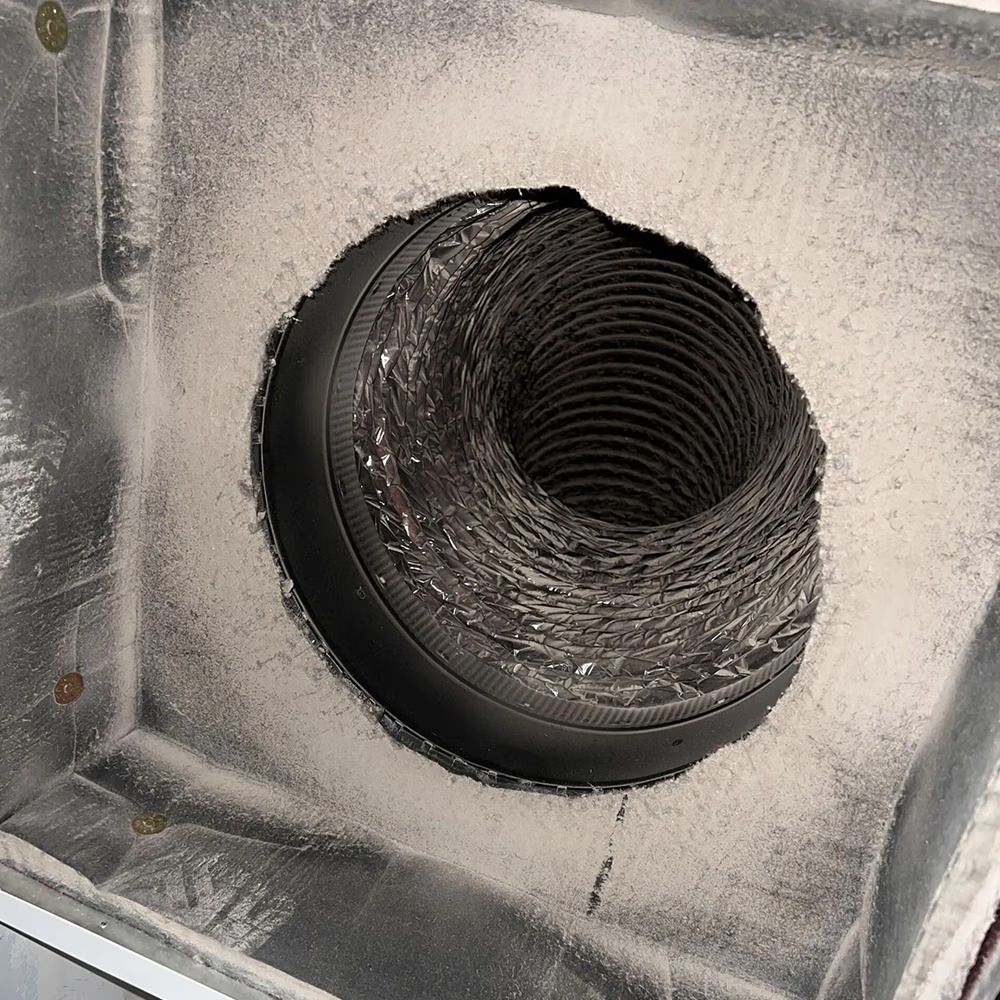
- Dust accumulation inside supply or return ducts
This isn’t just “dirt”—it’s typically a mix of household dust, filter media particles, and debris that has settled over time. When HVAC runs, that material can get redistributed.
- Airflow restrictions that increase dust and strain on the system
Even without visible debris, restrictions can cause uneven airflow. That can lead to more dust at registers and inconsistent comfort—especially in homes with multiple floors or older duct layouts.
- Moisture-related contamination when conditions allow it
If there’s a history of condensation, leaks, or high humidity, ducts can hold onto residue longer than people expect. That can show up as odors or persistent “stale air.”
A practical example: one local homeowner told us they could “see” dust forming around an air vent within days of cleaning the return area. The HVAC filter looked fine, but we found a different story in the duct system—accumulation in sections that weren’t getting addressed by routine filter changes. After proper HVAC duct cleaning and air pathway attention, the settling pattern improved and the home felt noticeably cleaner between filter swaps.
Our Take After Working With Local Customers: The Dryer Vent Connection People Miss
Most indoor air quality conversations focus on HVAC. But we frequently see dryer vent issues show up alongside indoor comfort complaints—sometimes indirectly.
Here’s the real-world dynamic: when a dryer exhaust system is restricted by lint, the dryer can struggle to vent properly. That can lead to:
- Longer dry times (a common sign of restriction)
- Extra lint accumulation near the dryer and sometimes further along the vent run
- Odors that feel “stuck” in laundry areas
- In some cases, pressure and airflow interactions that can make the home feel less balanced (especially in tighter, more energy-efficient builds)
That’s one reason we pair our approach with air duct and dryer vent cleaning thinking—not because duct cleaning alone “fixes” a dryer issue, but because both systems affect how clean, fresh air feels day to day.
If your laundry venting is questionable, you’ll want targeted dryer duct cleaning and inspection work alongside any HVAC work. You can also explore our guidance on dryer duct cleaning for a closer look at how we handle those systems.
What Most Customers Get Wrong About This
1) Assuming “clean ducts” means “healthy air” automatically
Cleaning can remove debris, but indoor air quality also depends on source control (humidity, filter quality, household dust generation, and ventilation). If a home has a recurring moisture problem, ducts may get dirty again quickly even after a cleaning.
2) Waiting until symptoms are severe
We often hear, “We waited because we weren’t sure it was necessary.” In Frisco-area homes, that delay can make the problem harder to diagnose—because by the time people call, the duct system may have accumulated more debris, and other factors (like humidity or building pressure changes) may be involved too.
3) Hiring based only on price or “see-it-once” promises
Some services focus on surface-level cleaning. But ductwork is a system. If the approach doesn’t match the layout, the airflow pathways, and the degree of buildup, you can end up with limited results.
4) Ignoring the dryer vent because it “only affects laundry”
A dryer vent is part of the home’s overall air and airflow behavior. Lint buildup can create performance issues and odors that people then interpret as “poor indoor air quality.” It’s not always the root cause—but it’s often part of the picture.
The Frisco Reality Check: What Changes by Season and Home Type
Frisco homes and businesses often experience strong seasonal cycling—heat to cool, humid stretches to drier weeks. That means HVAC runs more frequently during transitions, and that can “stir up” whatever has settled in the duct system.
We also see differences by property type:
- Residential homes: duct runs may be longer, with more elbows and less accessible return pathways, especially in older builds or homes with renovations.
- Commercial spaces: more complex zoning and higher occupancy means dust loads can build faster and filters may not capture everything that ends up in the duct system.
- Apartments and condos: shared airflow paths and limited access can make it harder to address problems without the right scope and communication.
If you’re searching for air duct cleaning and dryer vent cleaning near me, that’s usually a sign you want one coordinated plan. In practice, that means understanding what’s duct-related, what’s dryer-vent-related, and what’s more about filtration or moisture control.
A Simple Decision Framework: How to Know What You Need (and What You Don’t)
Use this checklist to guide your next step—whether you’re a homeowner or facility manager.
Step-by-step: HVAC + dryer vent cleaning planning
1. Identify the symptom pattern
- Dust builds quickly after cleaning?
- Odors worsen when HVAC runs?
- Dryer takes longer than it used to?
- Laundry area feels “hotter” or smells lingering?
2. Check basic maintenance first
- Replace HVAC filters on schedule (and use the right filter type for your system).
- Confirm the dryer exhaust path is clear as far as you can safely observe.
3. Look for evidence of buildup
- Visible debris at registers or returns
- Lint accumulation around the dryer or exhaust connection
- Signs of poor dryer performance (timing, overheating, musty laundry smells)
4. Request targeted inspection
- For ducts: confirm where debris is likely accumulating and where airflow issues may exist.
- For dryer vents: confirm lint buildup severity and whether there’s blockage risk.
5. Decide scope based on findings
- If buildup is confirmed, proceed with professional cleaning.
- If symptoms persist without duct or vent buildup, shift focus to filtration, moisture, and ventilation strategies.
DIY vs Professional: What the Difference Really Looks Like
| Area | DIY Effort | Professional Service (What You Pay For) |
|---|---|---|
| HVAC duct cleaning | Often limited to what’s visible at registers | Covers more of the air pathway based on system layout and access |
| Dryer vent cleaning | Can help near the dryer, but misses deeper lint accumulation | Focuses on the full exhaust run, including areas where blockages form |
| Impact on airflow | Usually inconsistent | Aims to restore airflow by addressing restrictions and debris |
| Time & mess | Can be messy and incomplete | More controlled process and system-aware approach |
| Long-term results | Often temporary if root causes remain | Includes maintenance guidance to prevent fast re-accumulation |
If you want to strengthen indoor air quality without wasting time (or creating a bigger mess), professional service is usually the better value.
Answer-Style: Does Duct Cleaning Actually Improve Indoor Air Quality?
Yes—when ductwork and/or dryer exhaust systems have measurable buildup that affects airflow or redistributes debris, cleaning can reduce contaminants circulating through the home or business.
No—if your symptoms are driven by factors like high humidity, inadequate filtration, ongoing moisture intrusion, or a source of contaminants elsewhere (like a continuously dirty return area, household chemicals used heavily, or ventilation issues). In those cases, duct cleaning may not resolve the underlying problem.
The most useful way to think about it is this: duct and dryer vent cleaning removes what’s inside the system, but indoor air quality depends on both what’s inside the system and what’s generating contaminants in the living or working space.
Practical Example: A Scenario We Commonly See in the Dallas–Frisco Corridor
A small office in the Frisco area complained about dust on desks and a “stale” feeling near the return vents. The team had changed filters, but the issue kept coming back. When we looked at the airflow path, we found a combination of dust accumulation in duct sections and airflow patterns that were distributing more debris toward certain workstations.
At the same time, the building’s laundry/dryer area had clear signs of dryer vent restriction—lint buildup was noticeable and dry times were longer than usual. The cleaning plan focused on both: improving duct cleanliness while also addressing dryer vent performance. The result wasn’t just “less dust.” It was a more consistent comfort feel across the space and fewer complaints tied to odors and air freshness.
Ready to Improve Indoor Air Quality with Targeted Cleaning?
If your home or business in Frisco (or nearby communities) has recurring dust, musty odors, allergy-like complaints tied to HVAC cycles, or dryer performance issues, Lone Star Pro Flow LLC can help you get clarity fast.
A good starting point is learning what’s going on with your HVAC system and whether you also need dryer vent work. For HVAC details, you can review our HVAC duct cleaning overview. If dryer vent issues are part of your situation, our dryer duct cleaning page is a helpful next stop.
About the Company
Lone Star Pro Flow LLC serves property owners across the Frisco, TX area with practical, system-aware cleaning for HVAC ductwork and dryer exhaust pathways. We focus on what we can verify—buildup, airflow issues, and vent performance—so you’re not paying for generic service that doesn’t match your situation. Our goal is simple: help your home or business breathe easier with cleaning that’s thorough, targeted, and backed by clear recommendations.