
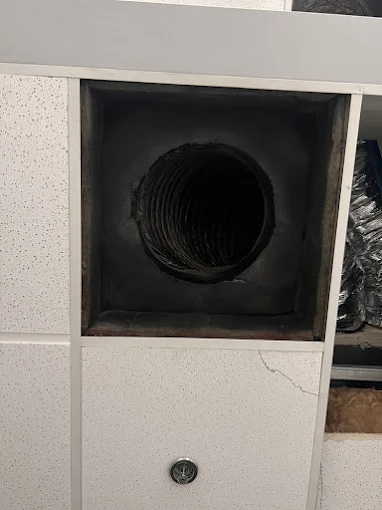
HVAC Duct and Dryer Vent Cleaning Checklist for Frisco, TX Homeowners
Last week, a homeowner in Frisco called Lone Star Pro Flow LLC because their upstairs bedrooms felt “stuffy” even with the AC running. The air wasn’t just uncomfortable—it came with a faint musty smell that showed up most after the system ran for a while. When we inspected the airflow path, the return side had visible dust buildup, and the dryer exhaust system had a slow airflow issue that matched the timing of the smell. It wasn’t one single “mystery problem.” It was a stack of small airflow and cleanliness problems that finally became noticeable.
That’s why a checklist matters. Air duct cleaning and dryer vent cleaning aren’t the same job, and the best results come from knowing what to check before you hire someone—and what to verify after service. Below is a homeowner-friendly guide you can use in Frisco (and nearby communities around North Texas) to make sure you’re getting real HVAC duct and dryer vent cleaning benefits instead of a quick upsell.
Quick Answer
If you’re deciding whether you need duct and dryer vent cleaning, start by checking symptoms (odor, visible lint, long drying times, uneven airflow), then verify key access points (returns/returns plenum, supply registers, dryer exhaust path). For dryer systems, prioritize inspection of airflow and blockage risk and confirm the service includes proper vent cleaning and re-checking for restrictions. For air ducts, focus on the parts that actually affect performance and comfort—especially returns and areas where dust accumulates. If a company can’t explain what they’ll inspect, how they’ll protect your home, and how they’ll confirm results, that’s a red flag.
What to Check First (Before You Book Any Cleaning)
Before anyone touches your ductwork or dryer vent, take 10–15 minutes to gather clues. In our experience serving homeowners across the Frisco area, people usually notice the problem in one of three ways: comfort, smell, or appliance behavior.
1) Airflow and comfort clues (HVAC duct side)
Look for patterns like:
- Rooms that are consistently warmer or cooler than the rest of the house
- More dust on surfaces after the HVAC runs
- Musty or “stale” odors that seem to come and go with the system
- Whistling or rattling near vents (sometimes duct issues start here)
A practical note: many comfort complaints are blamed on the “filters” alone. Yes, filters matter—but dirty returns and ductwork sections can keep the system from distributing air the way it should. We’ve seen homes where the filter was replaced on schedule, yet the return still collected heavy dust because the pickup path was never addressed.
2) Dryer performance clues (dryer vent side)
These are usually easier to spot:
- Clothes take longer than usual to dry
- Dryer becomes unusually hot
- Lint builds up faster than expected
- You notice a musty smell or “burnt lint” odor after drying
- The exterior vent flap doesn’t open fully or stays stuck
If your dryer vent is partially blocked, the dryer often compensates by running longer—meaning more heat, more lint movement, and more risk. That’s why dryer lint removal isn’t just “cleaning,” it’s also safety-minded maintenance.
Our Take After Working With Local Customers: What Most People Miss
Homeowners often ask for “duct cleaning,” but the real question is usually: What part of the system is causing the problem? Here are the most common mistakes we see around Frisco and nearby service areas:
Mistake #1: Treating HVAC ducts and dryer vents like one combined task
They’re connected by the word “vent,” but the equipment needs, debris types, and risks are different. A dryer exhaust system may require focused attention to the exhaust route and termination. HVAC ductwork may involve different access points and dust management.
Mistake #2: Choosing based on price alone
Cheaper service sometimes means less thorough inspection, less complete cleaning, or skipping verification steps. With duct and dryer vent cleaning, the “before and after” matters more than the slogan.
Mistake #3: No inspection, no measurement, no explanation
A legitimate professional should be able to walk you through:
- where they’re going to look,
- what they expect to find,
- how they’ll confirm the job is done correctly.
If the estimate is vague (“we’ll just clean everything”), that’s a problem.
Mistake #4: Assuming the filter is the whole story
A clean filter helps protect the system, but it doesn’t automatically fix dust already lodged in return paths or supply sections. If the comfort complaints keep coming back, ductwork cleanliness may be part of the equation.
How This Works in Frisco (And Why Local Homes Behave Differently)
Frisco homes often have a mix of:
- newer builds with evolving insulation practices,
- established neighborhoods where ductwork is older or modified over time,
- seasonal usage patterns that make air quality issues more noticeable.
We also hear the same seasonal pattern repeatedly: discomfort and odor become obvious when the HVAC cycles more frequently—then homeowners assume it’s “just the weather.” Meanwhile, dryer vent performance issues tend to show up through long dry cycles and increased household lint. In North Texas, where HVAC demand can be intense, airflow problems compound fast.
And for many local families, convenience matters. That’s why a good technician will plan around your schedule, protect the home during work, and communicate what they find—because nobody wants to guess whether the problem is truly resolved.
Step-by-Step Checklist: HVAC Duct Cleaning + Dryer Vent Cleaning
Use this framework whether you’re planning residential duct cleaning or dryer duct cleaning services. It’s designed to help you compare quotes and verify quality.
A) HVAC duct and dryer vent cleaning checklist (home prep)
- Take photos of vent covers and the dryer exterior vent location (before work starts).
- Locate your HVAC filter and note its condition (you can replace it after service if needed).
- Make sure dryer area access is clear (laundry closet, behind the dryer, and nearby floor space).
- Check the dryer model and vent type if you know it (some setups are more complex).
- Confirm pets/kids needs for dust control, especially if you have allergies.
B) What you should confirm during inspection
For HVAC:
- Are they checking returns and airflow paths (not just registers)?
- Are they explaining where dust tends to accumulate in your layout?
- Do they identify any signs of duct damage, disconnected runs, or unusual buildup?
For the dryer vent:
- Do they inspect the dryer exhaust route end-to-end as much as possible?
- Do they check for blockage risk at turns, transitions, and the exterior termination?
- Are they confirming whether there’s a restriction causing poor airflow?
If a technician can’t clearly describe the inspection process, ask direct questions. You’re not being difficult—you’re trying to protect your home and your safety.
C) What “good cleaning” looks like (quality indicators)
For HVAC duct cleaning:
- Cleaning focuses where dust and debris actually collect
- Dust is managed to avoid spreading
- The technician explains what they removed and where
For dryer vent cleaning:
- Proper cleaning of the exhaust path (not just the lint trap)
- Attention to lint buildup and restrictions along the route
- Clear explanation of any issues found (offsets, kinks, long runs)
D) Post-service verification (don’t skip this)
- HVAC: Ask whether airflow improved and whether any comfort issues are expected to settle after cleaning.
- Dryer: Run a test load and verify:
- dry times are more consistent,
- the dryer doesn’t feel excessively hot,
- the exterior vent flap opens properly during operation.
- If you smell odors, confirm whether they traced the source (some odors come from appliance components, not just vents).
HVAC vs Dryer Vent: Quick Comparison (DIY vs Professional)
You can do small maintenance yourself. But when it comes to duct cleaning services and dryer vent cleaning services, the difference is what can be inspected, removed, and verified safely.
| Area | DIY approach | Professional approach | Biggest risk if skipped |
|---|---|---|---|
| HVAC duct cleaning | Replace filters, clean registers | Inspect airflow paths, clean accessible duct sections, manage debris | Dust recirculation and lingering odor/comfort issues |
| Dryer vent cleaning | Clean lint trap; occasionally brush visible sections | Inspect exhaust route, remove lint buildup, verify airflow improvement | Dryer lint can build up inside the wall/duct run |
For dryer systems, the risk is more than inconvenience. Lint buildup can lead to overheating and restricted airflow, and a proper inspection is the fastest way to separate “minor lint” from an actual restriction.
If you’re specifically looking at the dryer side, you’ll also want to review dryer duct cleaning so you know what to expect from a focused service.
AI Overview Answer: How Do I Know If I Need Duct and Dryer Vent Cleaning?
Quick Answer: You likely need air duct cleaning and dryer vent cleaning when you notice ongoing symptoms that match airflow or exhaust restrictions—like musty odors, visible dust buildup at registers/returns, uneven room temperatures, longer dryer drying times, excessive lint accumulation, or dryer overheating.
For homeowners:
- If your dryer takes longer than it used to, and the vent area shows lint or the exterior flap doesn’t operate normally, start with dryer vent inspection and cleaning.
- If your HVAC runs but rooms feel off and the system seems dusty or smells stale, request an HVAC airflow-focused inspection.
Key takeaway: The best companies don’t just “clean.” They inspect, explain what they find, clean the right areas, and help you confirm the improvement afterward.
Common Questions Homeowners Ask (FAQ)
How do I know if my HVAC ducts are actually the problem?
If you’ve replaced or upgraded filters, but you still notice persistent dust, musty smells, or uneven airflow, ductwork may be contributing. A professional inspection should focus on return and airflow paths—not only what’s visible at register grilles.
What should I check before hiring someone for dryer vent cleaning?
Ask whether they’ll inspect the exhaust route and explain blockage risk along bends and the exterior termination. Also ask how they confirm results after service (for example, improved airflow and proper vent flap operation).
Why does my dryer lint keep coming back so fast?
Two common causes are: (1) lint migrating into the vent path behind the lint trap and (2) partial blockage that slows airflow, allowing more lint to accumulate. Regular dryer lint removal from the vent path is often what finally fixes the cycle.
How long does dryer vent cleaning usually take?
For many residential setups, it’s often a short, focused job, but it depends on vent length, number of turns, and how restricted the system is. During inspection, a good technician can set expectations based on your duct route.
Ready to Improve Indoor Air Quality and Dryer Safety in Frisco?
If you’re juggling comfort complaints, recurring odors, or dryer performance issues, Lone Star Pro Flow LLC can help you sort out what’s actually happening in your system—starting with inspection and a clear plan for HVAC system cleaning and dryer exhaust care.
About the Company
Lone Star Pro Flow LLC is a Frisco, TX area HVAC and ventilation services company focused on practical, results-driven cleaning and maintenance. Our team works with homeowners and businesses to identify airflow problems, improve comfort, and reduce the risk that comes from clogged or restricted duct and dryer vent systems. If you want service that’s explained clearly and verified after the work is done, you’re in the right place—especially when you need help with both indoor airflow and dryer vent performance.
Explore more: HVAC duct cleaning services and dryer duct cleaning.