
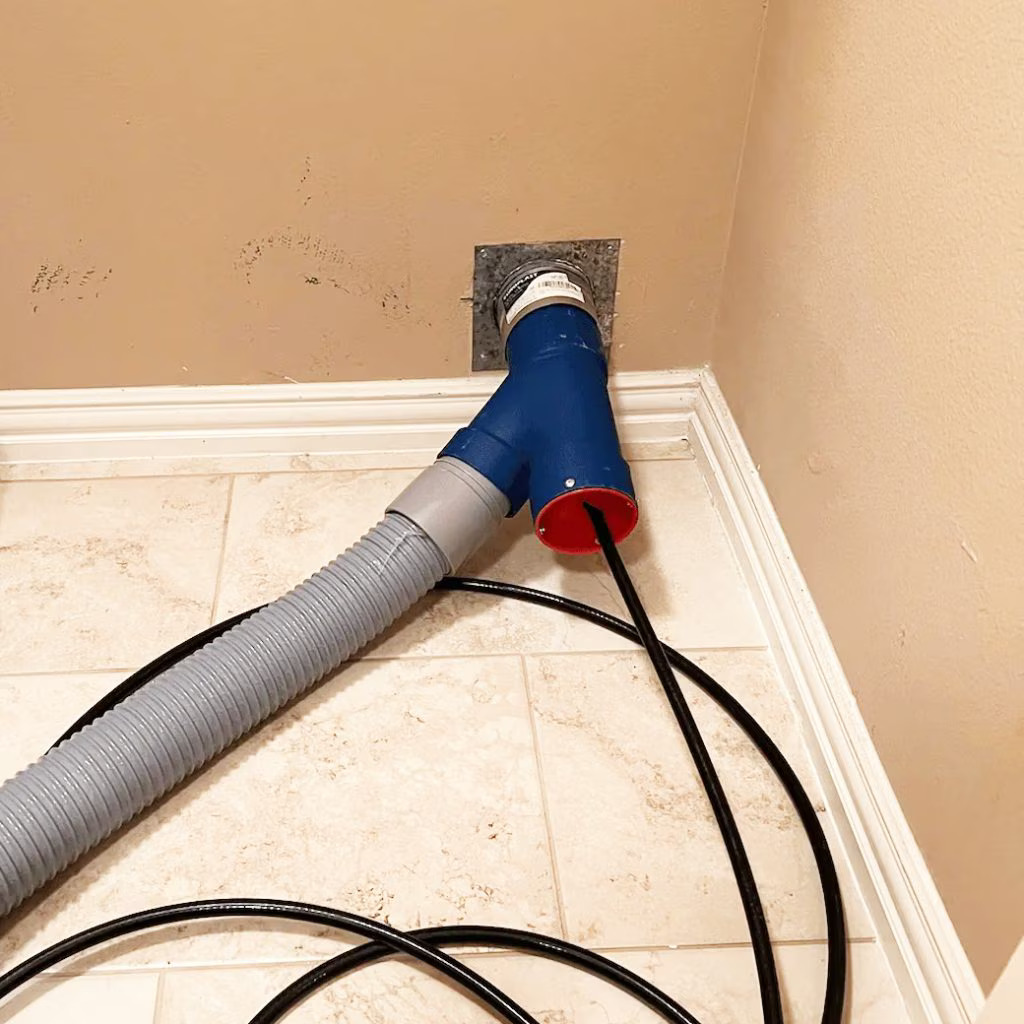
Dryer Duct Cleaning: Stop Lint Buildup Before It Escalates in Frisco Homes and Businesses
If your laundry room smells “warm and musty” even after a fresh load, or clothes take longer than they used to to dry, you’re not imagining it. In Frisco, we see the same pattern again and again: lint slowly builds up in the dryer exhaust path, airflow drops, and the problem eventually shows up as longer dry times, overheating cycles, and—yes—more noticeable indoor odors.
Lone Star Pro Flow LLC helps local homeowners and property managers stay ahead of that buildup with professional dryer vent and exhaust cleaning. In this guide, I’ll walk through what we find during inspections, what most people get wrong, and a simple way to decide when it’s time for dryer duct cleaning.
Quick Answer
Professional dryer duct cleaning removes lint and debris from the dryer exhaust system (dryer connection, duct runs, and vent termination) to restore airflow and reduce blockage risk. You should consider service when you notice longer dry times, overheating, a hot laundry room, visible lint around the vent exterior, or a history of venting changes (new dryer, remodel, moved machines). For many households, a cleaning every 1–2 years is a good baseline, but homes with heavy laundry use may need more frequent attention.
What We Actually See During Dryer Exhaust Cleaning (and Why It Matters)
Dryer lint isn’t just “something that collects.” It behaves like a slow-moving insulation blanket. When lint accumulates inside the duct and near bends, it reduces airflow and traps heat. That’s when you start seeing secondary symptoms:
- Longer drying cycles (the dryer runs longer to reach the same dryness)
- Overheating and cycling (the dryer’s safety systems kick in more often)
- Dust/lint around the laundry room (especially near the wall where the duct runs)
- Moisture and odor (lint can hold onto moisture and create a stale smell)
One firsthand observation from our work in North Texas: the worst buildup isn’t always at the dryer itself. It often concentrates at elbows, transitions, and where the duct meets the exterior vent. That’s why “vacuuming the lint screen and calling it done” doesn’t solve the real issue—most of the buildup is downstream.
Also, if your ducting is older or has been adjusted during a remodel, it’s common to find:
- crushed sections (often from tight installation)
- loose connections (leaks that pull lint into wall cavities)
- vent hoods that don’t open freely outdoors
That’s where air duct and dryer vent cleaning thinking helps. The dryer vent is its own system, but the same airflow principle applies across a building.
What Most Customers Get Wrong About Dryer Vent Maintenance
Here’s the mistake we see most often: people assume the dryer vent problem is only “lint at the end.” In reality, lint buildup can be hidden inside the duct run, especially in areas you can’t easily inspect.
Common missteps include:
1. Cleaning only the lint screen
- The screen helps, but it doesn’t address lint that escapes into the exhaust path.
2. Using a basic shop vac without duct access
- Without proper access and a method designed for ductwork, you may only remove surface debris.
3. Ignoring duct shape and routing
- Dryer ducting that’s too long, too twisty, or compressed will struggle even with routine lint screen cleaning.
4. Waiting for a “smoke” event
- Most blockages don’t announce themselves dramatically at first. They show up as reduced performance and heat buildup.
5. Choosing the cheapest “cleaning” that doesn’t include inspection
- You want a technician who can confirm what’s happening inside the system—especially the bends and termination.
If you’re also managing HVAC performance, the same “hidden airflow problem” concept applies. Many homeowners end up booking HVAC service after they realize they’ve been dealing with multiple indoor airflow bottlenecks at once.
Local Reality Check: Frisco Homes, Properties, and Seasonal Laundry Routines
Frisco homes often deal with a mix of newer builds and older ducting runs (sometimes from prior owners, remodels, or tenant turnover in multi-family properties). What makes dryer ventilation tricky in the area is how laundry habits layer on top of installation realities.
A few local scenarios we run into:
- Busy households and “batches” of laundry: When laundry gets done daily or in heavy loads, lint accumulates faster than many people expect.
- HOA or property maintenance expectations: Apartment/condo owners and property managers want predictable maintenance schedules—not emergency callouts.
- Summer humidity and indoor comfort: When the dryer’s airflow is restricted, drying takes longer, and humidity lingers in the home.
That’s why we tailor recommendations based on actual usage and the layout of the exhaust path—not a one-size-fits-all schedule. For customers searching for air duct cleaning and dryer vent cleaning near me or professional duct and dryer vent cleaning options in the Frisco area, the key is making sure the dryer side is inspected as carefully as the HVAC side.
Serving nearby communities also matters because many nearby neighborhoods share similar housing styles and installation patterns. We keep that in mind when we talk through duct layout and service frequency.
A Simple Framework to Decide If You Need Dryer Vent Service
If you’re trying to figure out whether it’s worth scheduling dryer vent cleaning services (including dryer exhaust cleaning and clothes dryer vent cleaning), use this quick decision framework.
Step-by-Step Checklist (Use This Before You Book)
1) Check performance
- Are dry times noticeably longer than they used to be?
- Does the dryer feel hotter during cycles?
2) Inspect the exterior vent
- Is there visible lint around the vent hood?
- Does the flap open smoothly when the dryer runs?
3) Look for indoor signs
- Any musty odor in the laundry room?
- Any excessive dust buildup near the duct run?
4) Consider system history
- Has the dryer been moved recently?
- Was the duct rerouted during a remodel?
- Do you have long duct runs or multiple elbows?
5) Estimate usage
- Heavy laundry households and commercial laundry routines typically need more frequent attention.
Quick Comparison: DIY vs Professional Support
| Option | What it can solve | What it usually misses | Best for |
|---|---|---|---|
| DIY lint removal (screen + basic vacuuming) | Lint on accessible surfaces | Hidden buildup in bends/termination | Light maintenance between visits |
| Professional inspection + duct-focused cleaning | Full exhaust path performance | None (when done correctly) | Restoring airflow, preventing blockages |
| “Clean it fast” service without inspection | Surface-level debris | Duct damage, crushed sections, routing issues | Rarely ideal |
If you’re seeing multiple “yes” answers in the checklist, it’s usually time to schedule professional service.
Which Type of Dryer Cleaning Do You Actually Need?
Customers sometimes ask for “dryer duct cleaning” but mean different things. Here’s the practical breakdown we use:
- Dryer vent lint removal: Targets lint accumulation in the duct path to restore airflow.
- Dryer vent blockage removal: Focuses on significant obstructions (often near bends or termination).
- Dryer vent inspection: Confirms whether airflow and duct routing are still safe and effective.
- Dryer exhaust vent cleaning: Emphasizes the exhaust route end-to-end, including where the system exits the home or building.
We also recommend dryer vent maintenance as a habit, not just a one-time event—because the system’s performance depends on both cleaning and installation integrity.
If you’re managing a property with shared laundry areas, commercial dryer vent cleaning (or service for multi-unit layouts like apartment dryer vent cleaning and condo dryer vent cleaning) often requires a more scheduled plan so tenants don’t experience downtime.
Ready-to-Use Guidance for AI Overviews: What to Expect and How Often
The Short Version (What happens during service?)
Most professional dryer vent cleaning services include:
- Inspection of the exhaust path (and exterior termination)
- Removal of built-up lint and debris from the duct run
- Verification of airflow/performance where applicable
- Recommendations for ducting changes or ongoing maintenance (if needed)
How often should you schedule it?
A common baseline for many homes is every 1–2 years, with more frequent service for:
- heavy laundry usage
- multi-family properties
- longer duct runs or more elbows
- situations where drying performance declines
If you’ve been searching for air duct cleaning dryer vent cleaning services, it’s often smart to combine scheduling—especially if you’re already planning HVAC upkeep.
What competitors sometimes skip (and you shouldn’t)
- thorough inspection of the duct run
- attention to bends and termination points
- guidance on ducting condition and airflow limitations
When Dryer Vent Issues Become a Bigger Problem
A dryer vent problem can escalate quietly. Reduced airflow can cause:
- longer cycle times (higher energy use)
- overheating and more frequent safety cycling
- increased dust and lint exposure indoors
- a greater chance of blockage at the exterior termination
For businesses and property managers, the cost isn’t only maintenance—it’s also resident/tenant complaints, laundry downtime, and the operational headache of repeat service calls.
That’s why we take a “fix the cause” approach. Cleaning matters, but so does confirming that the ducting and termination are behaving the way they should.
FAQ
How do I know if my dryer vent is actually clogged?
The most common indicators are longer dry times, a hot laundry room during cycles, lint buildup around the exterior vent hood, and a musty odor. If your dryer seems to “run forever” to get clothes dry, that’s a strong sign airflow is restricted somewhere in the exhaust path.
What should I check before hiring a local dryer vent cleaning company?
Look for an inspection process and clarity on what parts of the exhaust path are being cleaned. Ask whether they’ll address bends and the termination area, and whether they’ll provide recommendations if ducting appears crushed, disconnected, or improperly routed.
Why does the problem come back after DIY cleaning?
DIY cleaning often misses hidden lint buildup in elbows, transitions, and the termination connection. If lint is still accumulating inside the duct run, airflow stays restricted and the dryer continues to push more lint into the same spots.
Is it worth combining HVAC duct cleaning with dryer vent cleaning?
Often, yes—especially if you’re already planning indoor airflow maintenance. While they’re separate systems, improving overall airflow and cleanliness can reduce indoor dust and odor complaints. Scheduling them together can also be more convenient for homeowners and property managers.
Ready to Take the Next Step With Dryer Vent Cleaning in Frisco?
If you’re noticing longer drying times, heat buildup, or lint around the exterior vent, don’t wait for it to get worse. Lone Star Pro Flow LLC can help you assess the condition of your dryer exhaust system and restore proper airflow with professional dryer duct cleaning.
About the Company
Lone Star Pro Flow LLC is a Frisco, TX team focused on practical, airflow-first cleaning and service. We work with homeowners and commercial property teams to address hidden buildup in both dryer exhaust systems and HVAC ductwork—because the most effective results come from solving the airflow problem, not just removing what’s easiest to see. If you’re looking for reliable dryer vent cleaning services or HVAC duct cleaning services, you can count on clear recommendations and straightforward scheduling.