
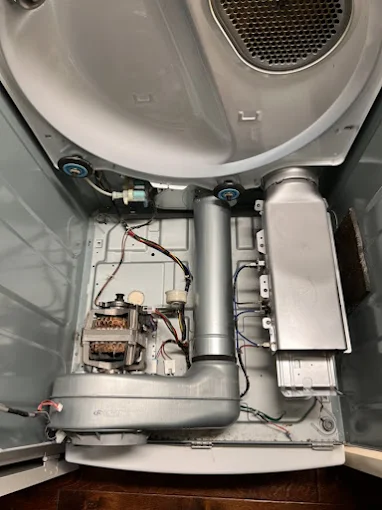
Dryer Duct Cleaning Workflow: Clean, Inspect, Restore in Frisco (What Lone Star Pro Flow LLC Actually Does)
If you’ve ever smelled “hot lint” when the dryer runs—or noticed laundry taking longer to dry—your vent system is already telling you something. In Frisco homes and businesses, that problem often isn’t a mystery for long. The same patterns show up season after season: lint buildup, partial blockages, crushed duct sections, and vent runs that weren’t laid out for the realities of everyday use.
At Lone Star Pro Flow LLC, we treat dryer exhaust like an airflow system, not a one-time cleaning. Below is the workflow we follow for dryer duct cleaning: what we do first, what we inspect next, how we confirm results, and how we reduce the chances of the issue coming back.
We’ll also cover what many people get wrong—because “cleaning” isn’t the same thing as fixing the airflow path.
Quick Answer
A professional dryer duct cleaning service should follow a repeatable process:
1) assess the vent route and dryer connection, 2) inspect for blockages and damage, 3) remove built-up lint using the right tools/methods, 4) verify airflow/exhaust improvement, and 5) recommend fixes for broken, misrouted, or high-risk vent setups.
If a company only “sucks out lint” without inspecting the duct path, checking the exterior termination, and addressing issues that cause re-accumulation, you’re likely to see the same symptoms again.
The Dryer Duct Cleaning Workflow We Use (Clean + Inspect + Restore)
Dryer vent cleaning sounds straightforward until you’re staring at a long run, a tight corner, or a duct that looks fine from the outside but is restricted inside. Here’s how Lone Star Pro Flow LLC handles it in Frisco and surrounding areas.
1) Pre-service assessment (we start with the route, not the hose)
Before we connect equipment, we ask a few practical questions:
- How long does drying typically take?
- Do you see lint accumulating around the dryer cabinet or exhaust area?
- Any recurring “musty,” “burning lint,” or unusually hot air near the laundry space?
- Is this a residential setup, a multi-unit apartment/condo, or a commercial laundry?
Then we inspect the dryer exhaust connection and trace the vent path as far as accessible. Even when the duct run is mostly behind walls, we can often spot red flags early—like duct sections that are likely to sag or joints that likely leak lint.
2) Dryer vent inspection (identify the blockage and the cause)
Inspection is where most “quick clean” jobs fall short.
We look for:
- Lint accumulation patterns (where buildup starts and where it concentrates)
- Improper duct material or transitions (flex duct used where it shouldn’t be, overly long runs, crushed sections)
- Loose or disconnected joints that allow lint to escape into the wall/ceiling cavity
- Exterior termination issues (hoods that don’t open well, clogged screens, wrong vent caps, or poor placement)
If we find a duct section that’s compromised, our goal isn’t only to remove lint—it’s to help restore safe exhaust performance.
3) Targeted removal of lint and debris (not just surface cleaning)
With the vent path identified, we perform dryer duct cleaning using the appropriate approach for the configuration. The objective is to remove lint from inside the duct and from the dryer-to-termination exhaust pathway.
In real-world systems, lint isn’t evenly distributed. It often stacks in:
- elbows and bends,
- areas where airflow slows,
- sections where ducting has sagged over time.
That’s why the workflow has to be methodical. If you don’t reach those areas effectively, you end up “cleaning what’s easy,” not what’s restricting airflow.
4) Verification (we confirm it’s actually better)
A good job doesn’t end when the visible lint is gone.
We validate results by checking:
- The exhaust path is clear where it matters most
- The connection at the dryer is seated and not leaking
- The vent termination is operating as designed (where accessible)
For customers, the simplest indicator is usually performance: shorter dry times, less heat buildup in the laundry area, and fewer recurring lint-related symptoms.
5) Restore and recommend (because duct problems often cause repeat issues)
“Restore” doesn’t always mean replacement, but it often means correcting the things that cause re-clogging:
- restoring proper duct routing,
- reducing unnecessary bends,
- addressing damaged sections,
- improving termination to support reliable airflow.
Depending on what we find, we’ll recommend next steps. Sometimes it’s a maintenance adjustment. Sometimes it’s a duct repair. For businesses (especially commercial dryer exhaust cleaning setups), we also help coordinate practical timing so operations aren’t disrupted for longer than necessary.
What Most Customers Get Wrong About Dryer Vent Cleaning
This is the part we wish everyone understood sooner.
Mistake #1: Assuming lint removal = a fixed vent system
Lint removal helps, but if the duct is crushed, sagging, or routed with too many restrictions, lint will return faster than you’d expect. In Frisco-area homes with older ductwork, we often see the same story: the duct looks “good enough,” but airflow is limited.
Mistake #2: DIY cleaning that doesn’t reach the problem zone
A standard brush-and-vac approach can help on short runs, but many dryer vent systems have long routes, bends, or sections that require a more thorough approach. When the restriction sits deeper in the duct run, DIY work may only clean the first portion.
Mistake #3: Ignoring the exterior termination
Lint isn’t the only issue. If the exterior termination is clogged or not venting properly, you can clean the interior and still have poor exhaust performance. The exterior cap/hood matters.
Mistake #4: Cleaning without inspecting duct condition
Dryer lint removal is valuable—but if the duct is damaged, disconnected, or leaking, you’re not truly restoring airflow safety and performance.
Local Reality in Frisco: Why Vent Layout Matters Here
In the Frisco area, laundry systems are often installed in layouts shaped by home design and remodeling choices—utility rooms tucked into tighter footprints, transitions between floors, or vent runs that were designed without fully accounting for airflow resistance over time.
We also see a lot of multi-unit properties where apartment dryer vent cleaning and condo dryer vent cleaning become recurring needs. Shared systems and repeated dryer usage patterns can lead to faster accumulation across units, especially when maintenance schedules aren’t consistent.
And for businesses—whether you’re managing a small commercial laundry, a property with shared laundry rooms, or an operations space with heavy dryer usage—vent performance affects turnaround time and customer satisfaction. Slow drying isn’t just inconvenient; it impacts workflow and can drive complaints.
If you’re searching for air duct cleaning and dryer vent cleaning near me, it’s worth remembering: ductwork and dryer exhaust systems behave differently. Dryer vents are lint-driven and moisture-driven in a way that requires vent-specific attention.
For context on broader HVAC airflow maintenance, you can also review our HVAC-focused approach here:
HVAC
A Simple Framework for Choosing Professional Dryer Vent Cleaning
Use this checklist when you talk to any contractor about dryer vent cleaning services or dryer exhaust cleaning. It’ll help you separate real service help from a “quick clean and go” job.
Dryer Vent Cleaning Hiring Checklist
Before service
- Do they inspect the vent route and dryer connection first?
- Do they ask about symptoms (heat, smells, long dry times) and usage patterns?
- Do they explain what they’ll check at the exterior termination?
During service
- Do they remove lint thoroughly from the duct path (not just the first accessible section)?
- Do they check for duct damage, loose joints, or crushed sections?
- Do they use a method suited to your duct configuration?
After service
- Do they verify results (connection integrity, improved exhaust behavior where applicable)?
- Do they recommend corrective steps if they find issues?
- Do they help you prevent repeat buildup with practical dryer vent maintenance guidance?
Quick Comparison: DIY vs Professional
| Item | DIY Attempt | Professional Approach |
|---|---|---|
| Reach deeper lint | Often limited by duct layout | Designed to address the full path |
| Inspection | Usually minimal | Route + condition focus |
| Exterior termination check | Frequently skipped | Typically included in verification |
| Repeat clogs | More likely if duct is restricted | Fixes or recommendations reduce recurrence |
Ready to Take the Next Step With Dryer Duct Cleaning?
If your dryer is running longer, the laundry room feels unusually warm, or you’ve had lint-related issues more than once, it’s a good time to schedule dryer vent cleaning with Lone Star Pro Flow LLC in Frisco. We’ll inspect the system, clean the exhaust pathway, and help you restore reliable dryer performance.
For more details on our process and what to expect, visit:
dryer duct cleaning
FAQ
How do I know if I need dryer duct cleaning or just “dryer lint removal”?
If drying times keep creeping up, you smell hot lint, the laundry room feels hotter than usual, or you notice lint accumulating near the dryer connection, you’re likely dealing with restriction deeper in the duct run—not just lint on the screen. A professional inspection helps confirm whether the blockage is partial, where it’s located, and whether duct damage is contributing.
What should I check before hiring a local company for dryer vent cleaning services?
Ask whether they inspect the vent route and dryer connection first, and whether they also check the exterior termination. In addition, confirm how they verify results afterward. If they can’t explain what they’ll inspect beyond “lint removal,” you may not be getting the full workflow needed for long-term performance.
Why does my dryer vent blockage keep coming back after cleaning?
Most repeat issues come from airflow restrictions—crushed/sagging duct sections, too many bends, or exterior termination problems. If the cause isn’t corrected, lint will re-accumulate quickly. The goal should be clearing lint and restoring the exhaust path so the system stays efficient.
How long does dryer duct cleaning usually take?
It varies based on vent length, number of bends, duct accessibility, and whether there are complicating factors like duct damage. For many typical residential setups, it can be completed in a single visit, but we’ll give a clearer expectation after we assess your vent route and connection first.
About the Company
Lone Star Pro Flow LLC serves customers in Frisco with practical, inspection-driven duct and vent cleaning. Our team focuses on airflow performance—because removing lint is only half the job. We also look for the duct setup issues that cause the problem to return, whether you need residential dryer vent cleaning, commercial dryer vent cleaning, or help managing maintenance across multi-unit properties. For questions or to schedule service, you can reach out through our site at https://lonestarproflow.com/.