
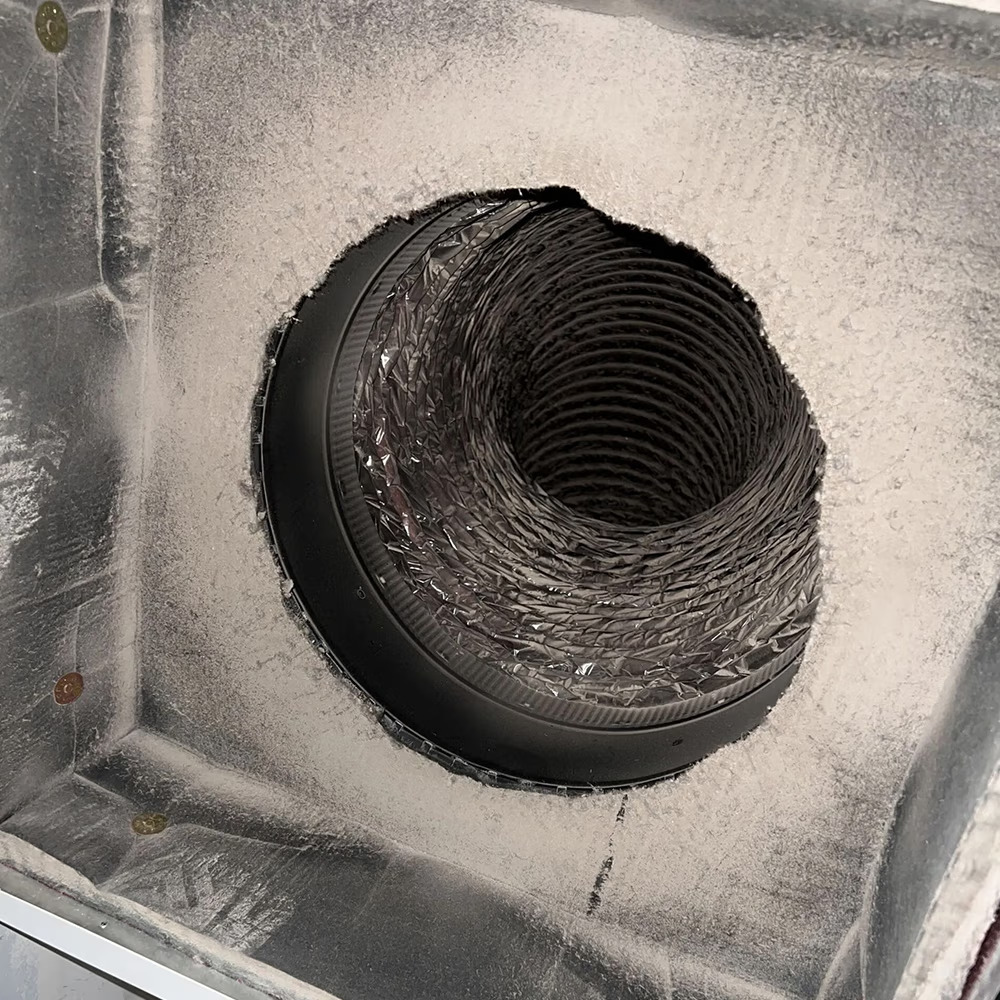
Dryer Duct Cleaning That Lasts: What Lone Star Pro Flow LLC Sees in Frisco Homes and Businesses
A few weeks ago, we were called to a Frisco property where the laundry room “smelled a little musty,” and the dryer was taking longer than usual to dry towels. The homeowner had already replaced the dryer filter and checked the settings—so they assumed the issue was the machine.
It wasn’t.
The dryer exhaust path had accumulated a mix of lint and compacted debris, and the termination outside wasn’t doing its job. That combination is exactly what turns a normal maintenance task into a recurring problem: it looks like “the dryer is the problem,” but the real bottleneck is almost always the venting system.
In this guide, we’ll walk through how professional dryer duct cleaning works, what actually causes breakdowns and repeated clogs, and how to choose air duct and dryer vent cleaning that delivers results—not just a quick vacuum pass.
Quick Answer
Professional dryer duct cleaning (often called dryer duct cleaning or dryer vent cleaning services) removes lint buildup and obstructions inside the dryer exhaust duct and at the outdoor termination. When the cleaning includes an actual inspection of airflow restrictions and the full exhaust route—not just the lint trap—results last much longer.
If your dryer:
- runs longer than it used to,
- feels unusually hot during cycles,
- leaves clothes damp,
- or you notice musty odors in the laundry area,
…a thorough dryer exhaust cleaning and dryer vent inspection is usually the fix. Lone Star Pro Flow LLC provides this as part of dependable, long-term service for local residential and commercial customers in and around Frisco.
How We Know Cleaning “Takes” (And When It Doesn’t)
Most people picture a dryer duct cleaning as simple: disconnect the hose, vacuum out lint, reconnect, done. In real life, ducting rarely behaves that cleanly—especially once it’s been in place through seasons, renovations, and normal wear.
What we look for during a real inspection
When our team performs dryer vent cleaning or clothes dryer vent cleaning, we’re not only removing lint. We’re verifying that the airflow path is truly clear.
Common findings in Frisco-area homes and business laundry rooms include:
- Lint packed deeper than the visible section (especially where the duct bends)
- Restricted airflow from kinks or crushed flexible duct
- Loose connections between the dryer, transition duct, and rigid duct run
- Failed or stuck louvers at the exterior vent termination
- Debris buildup around the outdoor exhaust that acts like a filter
A “clean vent” that still has a restriction will still cause poor drying performance. That’s why lasting results depend on the full system, not just the accessible part.
What Most Customers Get Wrong About Dryer Vent Cleaning
We hear the same story more often than you’d think: someone cleaned the lint trap, maybe vacuumed the dryer area, and figured that was enough. Or they hired a service that focused on what’s easiest to reach.
Here are the biggest mistakes we see:
1) Cleaning the lint trap and calling it “maintenance”
The lint trap is necessary, but it’s not the problem. Lint bypass happens every cycle. Over time, the vent becomes the collection point.
2) Assuming “flex hose” is fine
Flexible duct can look convenient, but it’s easier for lint to catch and for airflow to degrade—especially if it’s crushed, too long, or full of bends.
3) Not checking the outdoor termination
A duct can be clear inside and still fail if the exterior vent cover is blocked, stuck, or improperly installed. That’s where backpressure and recurring lint accumulation begin.
4) Waiting until the dryer is “bad”
By the time a dryer is taking 2–3 extra cycles to dry clothes, buildup is often severe enough to affect airflow consistently. Waiting tends to turn a manageable cleaning into a longer, more involved job.
Local Reality: Why Frisco Venting Issues Show Up More Often
Frisco homes and commercial spaces tend to share a few practical factors that affect vent performance:
- More frequent laundry usage in busy households and multi-tenant properties
- Renovations and remodels that move laundry locations without optimizing duct routes
- Newer builds with ducting shortcuts that rely on assumptions rather than verified airflow performance
- Outdoor conditions that can impact exterior vent terminations over time (including dust, debris, and seasonal airflow changes)
In the surrounding communities we serve—like Allen, Plano, McKinney, and Frisco-adjacent areas—one pattern shows up repeatedly: when ducting is installed with unnecessary bends or upgraded without checking the full exhaust path, the issue tends to return season after season.
That’s why we approach HVAC duct and dryer vent cleaning as connected to indoor comfort and safety practices—not as a one-off chore.
A Real-World Scenario We’ve Seen (Residential + Business-Ready)
Here’s an anonymized example based on a situation we handled in the Frisco area:
The setup: A household noticed longer drying times and a faint burning smell near the laundry area. They scheduled service after noticing lint around the dryer connection.
What we found:
- Lint buildup deeper in the duct run
- A slightly misaligned connection that allowed lint to escape into the laundry room area
- A duct route with tight bends that reduced airflow
What we did:
- Performed a dryer vent inspection to map the exhaust route
- Cleaned the full path to remove buildup and restore airflow
- Checked connections to help prevent future leakage points
Result: Drying times improved and the burning odor concern eased because airflow wasn’t struggling against the restriction anymore.
This is also why we encourage customers not to think of dryer cleaning as “done” after one visible removal. The system has to function as designed.
Step-by-Step: What “Professional” Dryer Duct Cleaning Should Include
If you’re comparing providers or wondering what to ask, use this framework.
Dryer duct cleaning checklist (what to look for)
1. Dryer vent inspection
- Confirm duct route, bends, and connection points
2. Full duct cleaning approach
- Address lint buildup beyond what you can see from the dryer
3. Check for restrictions
- Look for kinks, crushed sections, and airflow-limiting configurations
4. Verify the outdoor termination
- Ensure the vent cover isn’t stuck or blocked
5. Connection verification
- Confirm secure connections to reduce lint leakage into the laundry space
6. Practical maintenance guidance
- What to watch for, how often to schedule follow-ups, and what changes to make
DIY vs professional (quick comparison)
| Category | DIY “vacuum clean” | Professional dryer duct cleaning |
|---|---|---|
| Visible lint removal | Often effective near the dryer | Yes, plus deeper buildup |
| Bend/hidden sections | Misses deeper lint and restrictions | Targets the full path as feasible |
| Outdoor termination check | Usually skipped | Typically included in a proper inspection |
| Lasting performance | Can improve briefly, then return | More likely to restore airflow and last |
| Risk reduction | Limited | Better airflow = fewer hot, stressed cycles |
How Often Should You Schedule Dryer Vent Cleaning?
There’s no one-size schedule, but we recommend using real usage and performance as your guide.
A practical rule:
- If your dryer is taking longer, feeling hotter, or leaving more lint behind, don’t wait for the next “planned” date.
- For households with frequent laundry cycles, scheduling dryer vent maintenance periodically is often the difference between smooth performance and recurring buildup.
If you’re running a commercial laundry room, the urgency is higher because heavy use accelerates lint accumulation and airflow restrictions.
If you’d like a service plan tailored to your situation, Lone Star Pro Flow LLC can help you dial in timing based on your setup and observations.
Can Dryer Vent Cleaning Improve Indoor Air Quality?
Yes—sometimes more than people expect.
When dryer vents are restricted or leaking at connections, lint and moisture can contribute to odors and a more uncomfortable laundry environment. A well-maintained exhaust system supports better humidity control and helps reduce the “mystery smell” some customers associate with laundry rooms.
That said, indoor air quality is multi-factor. Dryer vent cleaning can help, but it’s not a substitute for other needs like regular HVAC filter changes, air vent cleaning, or addressing overall ventilation. If you’re already thinking about air duct and dryer vent cleaning, it can be efficient to coordinate the work so your home or building’s airflow systems are all operating the way they should.
You can also explore our broader services here:
- HVAC system help
- dryer duct cleaning
Ready to Do Dryer Duct Cleaning That Holds Up?
If you want your dryer to run efficiently and avoid recurring lint buildup, the best next step is a real dryer vent inspection followed by thorough cleaning of the full exhaust path.
Lone Star Pro Flow LLC serves Frisco and nearby communities with practical, long-term service—not just a quick vacuum. If you’re noticing slower drying times, unusual heat, or musty odors, schedule a check so we can confirm what’s actually happening in your ductwork and vent route.
About the Company
Lone Star Pro Flow LLC is a local Frisco-area team focused on cleaning and airflow solutions that make sense for real homes and real businesses. We’re not interested in “temporary relief.” Our goal is to restore proper performance—whether you’re looking for dryer vent cleaning services, dryer lint removal, or help coordinating HVAC duct cleaning with the rest of your indoor airflow system.
When you work with Lone Star Pro Flow LLC, you get a service approach grounded in what we actually find during inspections and cleanings across North Texas.