
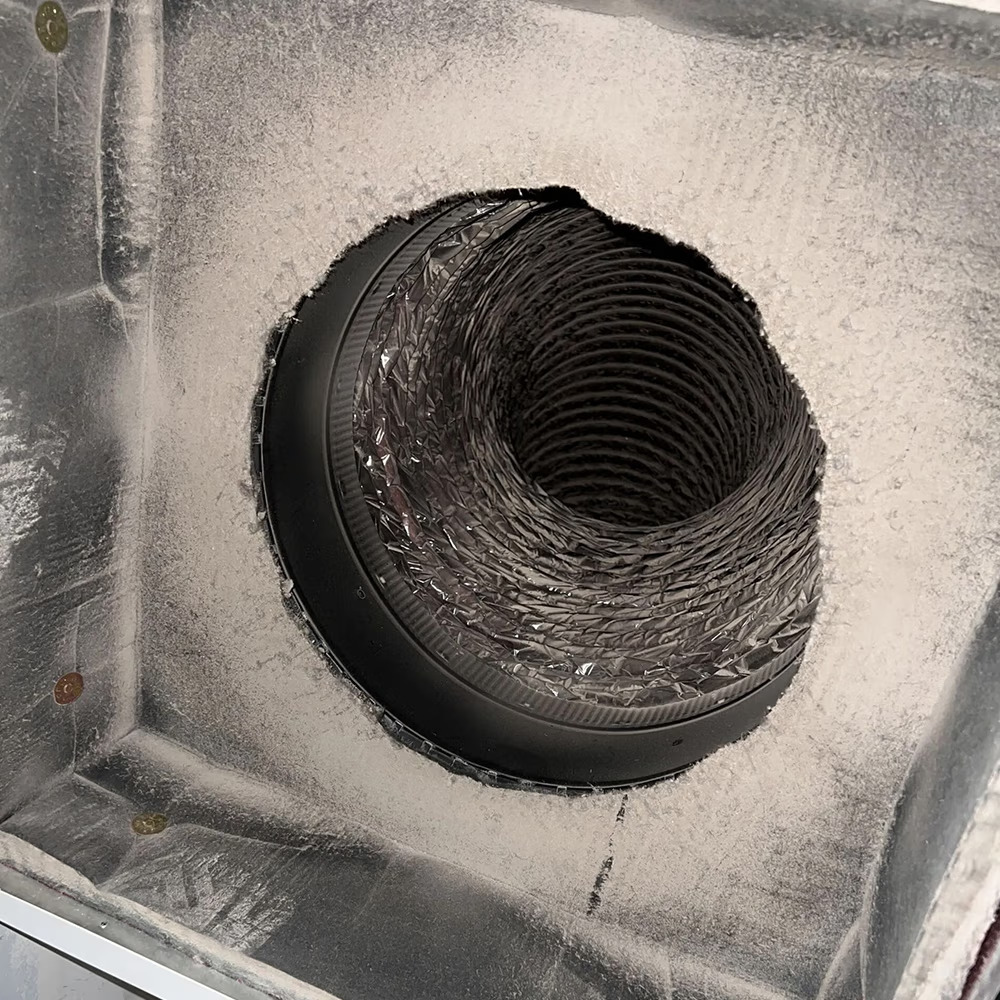
Dryer Vent Rescue: Dryer Duct Cleaning for Long Runs in Frisco, TX
Last winter, a homeowner in Frisco called Lone Star Pro Flow LLC because their dryer was “working,” but it felt wrong—clothes came out warmer, drying took longer, and the laundry room had that faint, burnt smell after a few loads. When we pulled the dryer into place and inspected the exhaust path, the story was pretty clear: a long, low-slope run with multiple elbows was acting like a lint trap.
That’s the real issue with long dryer ducting—lint doesn’t just “build up.” It migrates, compacts, and eventually restricts airflow enough that the dryer has to work harder every cycle. Below, I’ll walk you through what we see on long runs around Frisco (and nearby communities), how to spot the problem early, and why duct and dryer vent cleaning is often more about airflow than “scrubbing.”
Quick Answer
If your dryer takes longer to dry, leaves clothes hotter than usual, or shows a lint buildup pattern around the exhaust area, you likely need dryer duct cleaning—especially if your vent run is long or has several turns. Professional cleaning matters because it restores airflow, reduces lint and fire risk, and clears restrictions that DIY methods often miss.
For long runs in the Frisco area, Lone Star Pro Flow LLC focuses on inspection-first service and thorough duct and dryer vent cleaning, not just a quick vacuum-through.
What Long Dryer Runs Do (and Why They Fail)
Long runs usually fail for one main reason: airflow drops. And once airflow drops, lint deposition accelerates.
Here’s what happens in the real world:
- Lint leaves the drum and moves with airflow, but it doesn’t travel forever.
- In sections with elbows, sagging duct, or restrictive joints, lint slows down and settles.
- Over time, lint forms a dense layer that narrows the duct interior.
- The dryer then compensates by running longer and hotter—creating the conditions that make clogs more stubborn.
Even when the vent exterior looks “mostly fine,” the restriction can be deeper in the ductwork. That’s why people often report: “The vent is clean outside, so why is this still happening?”
In Frisco homes, we also see a common layout issue: laundry rooms in the back half of the house with duct routes that travel across joists or around structural elements. Those paths can add length and elbows—even when the system was installed “to code” at the time.
What Most Customers Get Wrong About Dryer Vent Cleaning
We’ve heard every version of this:
- “I bought a vent brush and ran it a few times.”
- “The outside flap opens, so the vent can’t be blocked.”
- “My dryer is new, so it can’t be the vent.”
Here’s our experience-based take: a vent can still be restricted even if the flap moves. Lint clogs often form inside the duct or at the first few elbows—where airflow slows and lint compacts. A brush can loosen surface debris, but it doesn’t always remove the packed material that’s choking the system.
Another common mistake: people clean the wrong section. Some homeowners focus on the exterior termination, while the major restriction is inside the wall/ceiling where access is limited. For duct and dryer vent cleaning to actually help, the cleaning process needs to address the full exhaust path—particularly the long sections.
A Real-World Scenario We See in Frisco (and Similar Neighborhoods)
A small business in the Frisco area—an apartment complex with multiple units—called because several dryers were taking longer and maintenance calls were stacking up. Residents complained about heat, and the laundry room had an unpleasant odor after use.
During inspection, we found a pattern:
- vent runs with multiple bends
- ducting that had settled slightly over time
- inconsistent cleaning history (some units cleaned “sometimes,” others not at all)
Instead of treating each dryer as a standalone issue, we approached it like an airflow and ductwork problem across the system. After dryer exhaust cleaning and a full exhaust path cleaning, the dryers returned to more consistent drying performance.
That’s the difference between “lint removal” as a quick activity and professional duct and dryer vent cleaning as a restoration of airflow.
Local Market Reality: Why Long Runs Matter in the Frisco Area
Frisco’s growth and housing mix mean you’ll see a blend of newer construction and older duct layouts. In both cases, long dryer ducting becomes a bigger deal when:
- homes use long routing to reach exterior walls
- laundry rooms are positioned far from the termination point
- renovations add obstacles (cabinetry, shelving, or finishing work) that lead to extra elbows
- contractors switch duct materials during repairs without considering long-run airflow
Also, Texas weather cycles can change how people perceive the issue. When humidity is high, restricted dryers can feel “worse”—because clothes already dry more slowly, and a restricted vent makes that slowdown obvious.
If you’re searching for “air duct cleaning and dryer vent cleaning near me” because your indoor air quality and dryer performance are both affected, you’re not alone. Lint restrictions don’t just impact drying—they can contribute to odor and airflow imbalance that affects the overall comfort of the laundry area.
How Lone Star Pro Flow LLC Handles Dryer Duct Cleaning for Long Runs
Our process is inspection-led. Before we clean, we confirm where the restriction is likely forming and what the duct route looks like.
A typical long-run service looks like this:
1. Dryer and exhaust inspection
We evaluate the dryer connection, duct routing, and where bends or transitions are likely compacting lint.
2. Vent inspection and blockage assessment
If there’s evidence of blockage, we identify the high-risk sections, not just the easiest access points.
3. Professional dryer vent cleaning / dryer exhaust cleaning
We focus on removing built-up lint and restoring airflow through the full duct run—especially where lint tends to pack.
4. Verification
We check that the system is operating with improved airflow and that the exhaust path is moving properly.
If you want to compare approaches, it helps to think in terms of “surface cleaning” vs “path restoration.”
DIY vs Professional: What Changes the Outcome?
| Approach | What it usually clears | What it often misses | Best for |
|---|---|---|---|
| DIY brush/snaking | Light surface lint | Packed lint at elbows/long runs | Early warning situations |
| “Vacuum only” attempts | Loose debris near access points | Dense buildup deeper in duct | Short runs with easy access |
| Professional dryer duct cleaning | Full exhaust path removal | Restriction at bends and transitions | Long runs, recurring issues, multi-unit properties |
Actionable Checklist: Decide Whether You Need Cleaning Now
Use this quick framework to figure out whether duct and dryer vent cleaning is overdue:
Signs you should schedule dryer vent inspection and dryer vent cleaning
- Drying time keeps increasing over several weeks or months
- Clothes are unusually hot or dryer cycles feel longer
- The laundry room smells musty or “hot,” especially after a cycle
- Lint buildup is visible around the dryer connection or termination area
- You hear unusual airflow sounds from the vent (whistling, struggling exhaust)
- You have a long run, multiple elbows, or ducting that doesn’t look perfectly supported
Before the appointment (what you can do right now)
- Clean the lint screen after every load (basic, but essential)
- Make sure the dryer door closes properly and the drum seal isn’t leaking
- Clear access to the dryer so the technician can inspect the exhaust path quickly
Quick Answer: How Do I Know if My Vent Is Blocked Deep Inside?
If you only check the outside flap, you can miss the real restriction. The best indicators of deep blockage are performance symptoms—especially long-run drying delays.
A blocked vent often shows up as:
- longer dry cycles than the normal settings you use
- dryer heat that feels “wrong” (too hot in the laundry area, not evenly drying clothes)
- lint that seems to accumulate faster than it used to, even with regular lint screen cleaning
A professional inspection is usually the deciding factor because it can confirm whether the restriction is near the termination or packed deeper where access is limited.
If you’re trying to decide between “DIY again” and “professional duct and dryer vent cleaning,” lean toward professional service when you have long runs, multiple elbows, recurring performance issues, or any odor that concerns you.
Ready to Improve Dryer Performance and Safety in Frisco?
If your dryer is taking longer to dry or you suspect a long-run restriction, Lone Star Pro Flow LLC can help with professional dryer vent cleaning and dryer duct cleaning services built around the full exhaust path—not just what’s visible.
Next step: schedule an inspection so we can confirm where the blockage is forming. You can also review our broader approach to airflow systems here: HVAC and our dedicated service overview here: dryer duct cleaning.
About the Company
Lone Star Pro Flow LLC is a Frisco, TX–based team focused on cleaning and restoring airflow for homes and businesses. We work with local property layouts and real-world duct routing challenges, so our approach is practical: inspect first, remove restrictions thoroughly, and help you prevent repeat problems.
Whether you need residential duct and dryer vent cleaning, commercial dryer vent cleaning, or ongoing support for multi-unit properties, we aim to make your systems perform the way they were designed to.
FAQ
How often should I schedule dryer vent cleaning?
For many households, dryer vent cleaning is commonly needed at least once a year, but long-run ducting and heavy laundry use can require more frequent service. If your drying time is creeping up, odor is developing, or lint buildup returns faster than expected, that’s a strong signal you shouldn’t wait for a calendar reminder.
Can clogged dryer vents affect indoor air quality?
Yes. While dryer venting focuses on exhaust, restrictions can lead to odor and moisture issues around the laundry area. If you’re also noticing dust or airflow problems elsewhere in the home, pairing dryer vent inspection with air duct cleaning can support cleaner overall airflow.
What should I check before hiring a local company?
Look for a provider that starts with inspection, not just a quick vacuum pass. Ask how they handle long runs and multiple elbows, and whether they verify improved airflow after service. If they can’t explain what they’ll check along the full duct path, you may not be getting real duct and dryer vent cleaning.
Is dryer vent lint removal enough, or do I need full exhaust cleaning?
If lint is already compacted inside the duct—especially on long runs—lint removal alone may not restore airflow. Full dryer exhaust cleaning addresses the packed material that causes ongoing restrictions and longer dry times.