
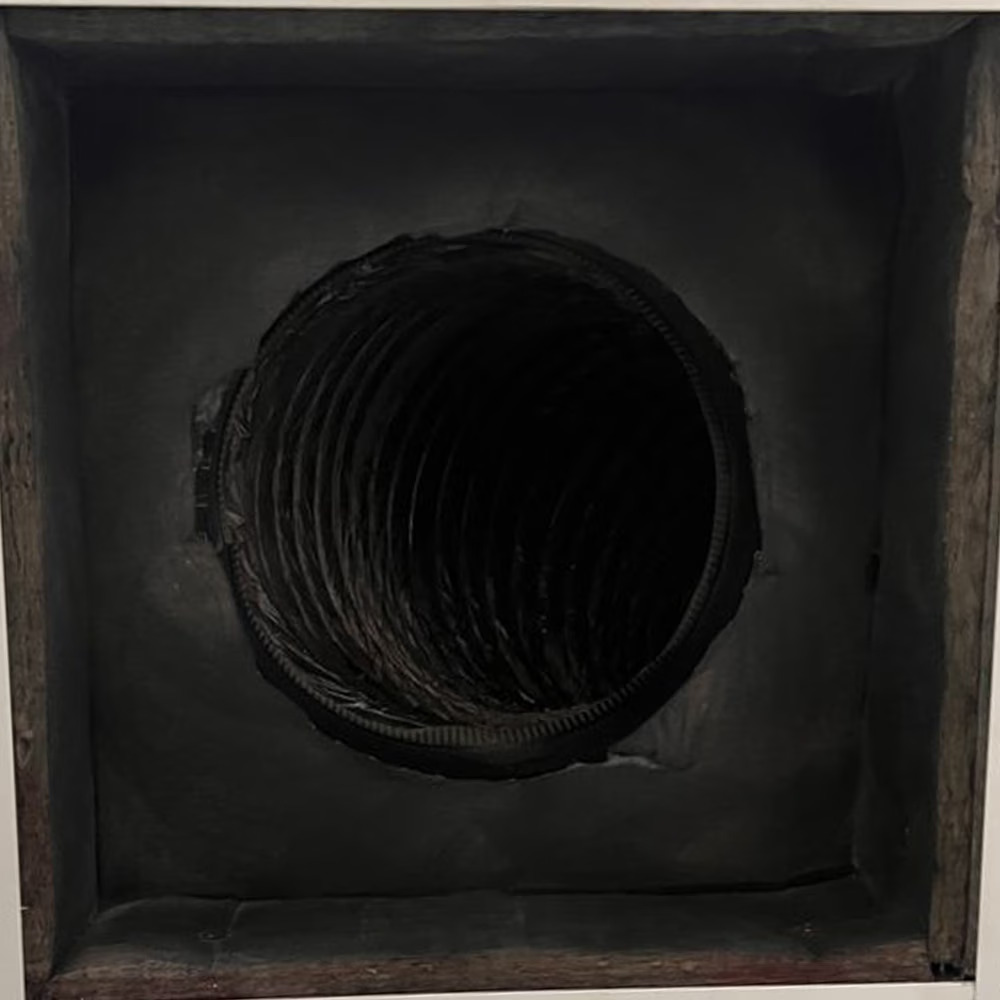
Hidden Dust Reveal: HVAC Duct Cleaning Process Explained for Frisco Homes and Businesses
The first time we pull a return-grille in a Frisco home, we can usually tell what kind of “dust problem” it really is—before we ever hook up equipment. If the dust is mostly fine and uniform, it often points to normal air handling and ongoing buildup. But if it’s clumped, streaked, or mixed with lint-like debris, that’s usually a sign the system has been pulling contamination from duct joints, insulation edges, or nearby airflow paths.
That’s why homeowners and property managers keep asking us the same practical question: “What exactly happens during HVAC duct cleaning—and what should I expect to see?” This guide walks you through the actual process Lone Star Pro Flow LLC follows for HVAC duct cleaning, what we look for in local systems, and how we handle the parts that most companies gloss over.
We’ll also cover how HVAC duct and dryer vent cleaning connects to indoor air quality and why cleaning one without addressing the other can leave you with the same symptoms.
Quick Answer
HVAC duct cleaning is the process of removing dust, debris, and contamination from the heating and cooling air pathways—typically supply ducts, return ducts, and the components that connect them. A professional job includes inspection first, targeted agitation and removal, careful access to components, and post-cleaning checks to confirm airflow pathways are actually cleared.
If you’re also dealing with laundry-related odors, lint buildup, or slow dryer performance, duct and dryer vent cleaning should be coordinated rather than treated like two separate problems. Improper venting can pull lint and moisture into the home environment, which can worsen perceived “dust” and affect indoor air quality.
What Happens During HVAC Duct Cleaning (Step-by-Step)
Every system is different, but the process we use in Frisco—especially in homes with older ductwork runs, remodels, or tight attic/basement setups—follows a clear sequence.
1) Inspection: We find the source of the “dust,” not just the dust
Before any cleaning begins, we inspect accessible components:
- Return grilles and filters (what’s coming off them)
- Visible duct openings and duct seams we can access
- Signs of moisture, insulation debris, or damage near airflow paths
- Airflow conditions (strong suction/weak suction can change what cleaning can realistically accomplish)
- Clues from symptoms: allergies, musty odors, visible debris, or recurring dust after filter changes
This matters because not every dusty HVAC system needs the same approach. Sometimes the “dust” is actually coming from a bypass, a damaged duct section, or airflow pathways that never get properly filtered.
2) Prepare the work area to control mess and protect components
Professional duct cleaning should be clean, controlled, and deliberate. We take steps to:
- Protect floors and nearby surfaces
- Manage airflow during access work
- Use proper containment where appropriate (especially when opening duct sections)
If a contractor rushes the preparation, the “cleaning” can turn into just moving dust around the home.
3) Access points: We don’t rely on one tiny opening
Cleaning only works if we can reach the duct sections that actually carry airflow. Depending on the layout, this may include:
- Cleaning through existing access points
- Carefully accessing additional areas when needed
- Using access methods that minimize unnecessary damage
4) Agitation and air movement: The core of effective cleaning
Most people think duct cleaning is just vacuuming. In practice, the best results come from combining:
- Agitation (to loosen debris adhered to surfaces)
- High-powered air movement (to pull dislodged material out of the system)
- Targeted removal (so debris is captured rather than resettled)
This step is where many DIY attempts fail—because they don’t loosen what’s stuck to duct walls, and they don’t capture it reliably.
5) Component attention: returns, supplies, and connections
We focus on the parts where buildup commonly collects:
- Returns (often where filtration starts and where fine particulate collects)
- Supply runs (especially where air changes direction)
- Duct joints and transitions (where debris can accumulate)
- Areas that may shed insulation-like debris if ductwork has aged or been disturbed
6) Post-cleaning checks: the job isn’t done when the hoses come off
A good HVAC duct cleaning process includes a verification step. We look for:
- Clear airflow paths at accessible points
- Evidence that dislodged debris was actually removed
- Confirmation that the system is ready for proper filtration and safe operation
What Most Customers Get Wrong About HVAC Duct Cleaning
In our experience working with local customers and contractors, the biggest misunderstandings usually fall into four buckets:
1) “If it’s dusty, duct cleaning is the solution.”
Sometimes dust is a symptom, not the cause. A filter that isn’t the right size or MERV level, gaps around returns, or air leaks can bring dust in faster than cleaning can help.
2) They treat HVAC duct and dryer vent cleaning as unrelated.
Laundry lint and airflow issues don’t stay politely contained. When dryer exhaust is restricted, moisture and lint can become part of what you notice indoors—especially in Texas homes where humidity swings and seasonal HVAC use can change how often windows are opened.
3) They expect duct cleaning to fix damaged ductwork.
Cleaning can remove debris, but it can’t restore a compromised duct seam or a failing connection. If the system is pulling from damaged sections, the dust can return quickly unless the underlying issue is addressed.
4) They assume “no odor” means “no contamination.”
Odor can be absent even when particulate buildup is present. Conversely, odors can come from the wrong place—like the dryer exhaust path, a return-leak, or a moisture issue.
Our Take After Working With Local Frisco Systems
Frisco has a mix of newer construction and homes with long duct runs, attic conversions, and changes made during renovations. We often see:
- Ductwork that was never fully balanced after remodels
- Return paths with imperfect seals around grilles
- Situations where residents notice dust more during seasonal HVAC cycles
- Dryer vent setups that have been “good enough” for years—until airflow changes
One scenario we run into repeatedly: a homeowner cleans filters, wipes vents, and still sees dust settle quickly. When we inspect, we often find that the return side is pulling particulate from areas that aren’t adequately filtered—or the duct connections aren’t sealed like they should be. Cleaning helps, but addressing the airflow pathway often makes the difference.
Where Dryer Vent Work Fits In (Indoor Air Quality and Dryer Vent Cleaning)
If you’re also doing air duct and dryer vent cleaning or HVAC duct and dryer vent cleaning, the order and coordination can matter.
Here’s the practical connection:
- The HVAC system distributes air through the home.
- The dryer exhaust system removes lint and moisture out of the house.
- When the dryer vent is restricted, lint and moisture build up. That can increase indoor humidity and contribute to odors and particulate conditions that people interpret as “HVAC dust.”
That’s why we encourage customers to think in terms of the whole airflow picture—especially if you’re noticing symptoms like:
- Dryer lint collecting faster than expected
- Slow drying times or recurring musty smells
- Dust settling in a pattern that seems linked to laundry days
- Increasing allergy-like symptoms after seasonal HVAC changes
If you want the dryer-side walkthrough, you can review our process here:
dryer duct cleaning
Step-by-Step Strategy: How to Get Real Results (and Avoid Rework)
Use this framework before, during, and after duct cleaning—whether you’re hiring a local team or evaluating options.
Pre-appointment questions (ask these every time)
- What parts of the system will you access and clean?
- How do you handle debris containment?
- How do you verify results after cleaning?
- Will you coordinate with other airflow work (like dryer exhaust) if needed?
During the service: what “good” looks like
- Clear explanations of what’s being cleaned (returns vs supplies, access points)
- Controlled setup (not a chaotic dust storm)
- Proper tool use for agitation and debris capture
- No pressure to “upsell” without inspection findings
After the cleaning: what to do so the problem doesn’t return
- Replace filters with the correct size and appropriate performance level
- Keep dryer vent maintenance on schedule
- Watch for recurring symptoms that indicate an underlying airflow issue (seals, damage, balance)
HVAC Duct Cleaning vs DIY: A Quick Comparison
| Approach | What you can realistically remove | Common failure point | Typical outcome |
|---|---|---|---|
| DIY vacuuming | Surface dust in easy-to-reach areas | Doesn’t loosen debris from duct walls | Dust returns fast |
| “One-size-fits-all” cleaning | Some debris, inconsistent access | Misses returns, transitions, or joints | Partial improvement |
| Professional HVAC duct cleaning | Targeted removal from key airflow sections | Skipped inspection or verification | More consistent results |
If your ducts are pulling debris from joints or transitions, DIY usually can’t address the adhesion and containment challenges that professionals manage.
Quick Answer: How Long Does HVAC Duct Cleaning Take?
Most residential HVAC duct cleaning jobs take a few hours, depending on:
- Home size and number of vents
- Duct layout complexity (returns, long runs, multiple floors)
- How much access is needed
- Whether additional issues are found during inspection
Commercial systems can take longer due to the number of air pathways and access constraints. The key is that timing should be tied to what’s found during inspection—not just a fixed “we always take X hours” promise.
Ready to Schedule HVAC Duct Cleaning in Frisco?
If you’re tired of dust that keeps coming back—or you want to improve indoor air quality by handling airflow from the HVAC side and the laundry exhaust side—Lone Star Pro Flow LLC can help you sort out what’s actually happening in your system.
Start with an inspection and a clear plan, then we’ll walk you through what we find and what we recommend for your home or business.
You can also explore our HVAC overview here:
HVAC duct cleaning
About the Company
Lone Star Pro Flow LLC is a Frisco, TX area air duct and dryer vent cleaning team built around practical, experience-led service. We focus on what actually impacts airflow and indoor air quality: inspection, controlled cleaning methods, and clear recommendations based on what we observe in your system—not what a generic checklist says.
References (for further reading)
- U.S. Environmental Protection Agency (EPA), guidance on indoor air quality and ventilation: https://www.epa.gov/indoor-air-quality-iaq
- U.S. Department of Energy (DOE), residential ventilation and indoor air basics: https://www.energy.gov/energysaver/ventilation-and-air-sealing
- National Fire Protection Association (NFPA) information on clothes dryer fire prevention: https://www.nfpa.org/education-and-research/home-fire-safety/
- Institute of Inspection, Cleaning and Restoration Certification (IICRC) resources related to cleaning standards: https://www.iicrc.org/
FAQ
How do I know if my HVAC ducts actually need cleaning?
If you notice persistent dust, visible debris around vents, worsening allergy symptoms, or dust that returns quickly after cleaning and filter changes, it may be worth an inspection. The most reliable sign is not dust alone—it’s what we find in returns, access points, and duct joints that can collect and release debris into airflow.
Should I clean my HVAC ducts before or after I clean my dryer vent?
If both systems are showing issues, coordinating them is best. In many cases, we recommend addressing dryer exhaust first if there are clear signs of lint buildup, airflow restriction, or odor/moisture concerns, then aligning HVAC cleaning to any airflow symptoms you’re experiencing.
Why does dust come back after duct cleaning?
Dust can return if the real source wasn’t addressed—such as unsealed duct joints, return leaks, inadequate filtration, or ongoing contamination from another airflow pathway. That’s why inspection and post-cleaning verification matter more than “how long” a job takes.
Can duct cleaning help with allergies and indoor air quality?
It can help when particulate buildup is contributing to indoor conditions. However, indoor air quality is broader than duct dust alone. Proper filtration, ventilation balance, and dryer vent maintenance also play major roles.
Is duct cleaning different for commercial buildings?
Yes. Commercial systems often have more complex duct layouts, higher airflow demands, and tighter scheduling constraints. The cleaning approach still starts with inspection and access planning, but verification and containment may need to be more structured to minimize disruption.
If you’d like, tell me whether this is for a home or a business (and roughly how many vents/levels). I can suggest what to expect during an inspection appointment and what to watch for in the process.