
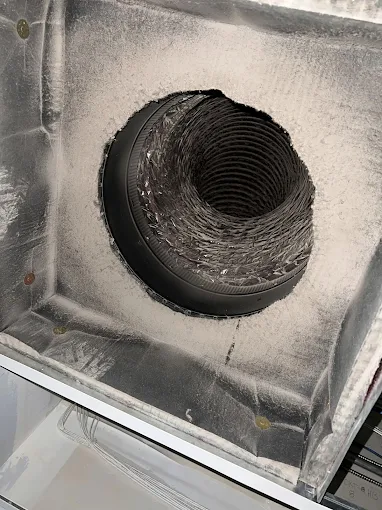
How HVAC Duct Cleaning and Dryer Vent Cleaning Reduces Dust and Allergens in Frisco, TX
If you’ve ever had a “clean” home that still feels dusty—especially after HVAC runs at night or after laundry day—you’re not imagining it. We see a pattern in Frisco homes and local businesses: dust doesn’t just appear. It gets stirred up, redistributed through airflow, and—often—made worse by dryer vent issues that pull lint, drier exhaust residue, and airborne particles back into the living space.
At Lone Star Pro Flow LLC, we’ve found that the biggest improvements in indoor air quality come from treating the HVAC duct system and the dryer vent as one connected indoor-air problem, not two separate chores. In this article, I’ll explain what duct and dryer vent cleaning actually removes, how it reduces dust and allergens, what people get wrong, and how to decide what level of service you really need.
Quick Answer
Professional HVAC duct cleaning and dryer duct cleaning can reduce dust and allergen exposure by removing built-up debris inside the ductwork and reducing lint/residue in the dryer exhaust system. When airflow is cleaner and dryer exhaust isn’t leaking or reintroducing particles, less dust circulates through your home or workplace—and fewer irritants get trapped in the system and re-circulated.
Why Dust and Allergens Keep Coming Back (Even After You Clean)
A lot of homeowners clean surfaces and feel better for a day or two, then the “dusty feeling” returns. That’s usually because the dust source isn’t only on the floors and furniture—it’s also inside the airflow path.
What HVAC dust looks like in the real world
During inspections and cleaning, we commonly find:
- Dust buildup on duct surfaces that gets disturbed when the system starts up.
- Debris in supply/return runs that can slowly accumulate from everyday air movement.
- Allergen carriers (like pollen and skin flakes) that travel through ducts and settle again when conditions change.
- Moisture-related residues in some systems—especially where airflow is restricted or filtration isn’t doing the job it should.
This isn’t about fear or “dirt = danger.” It’s about physics: air moves. If there’s material inside the ductwork, your HVAC system can re-aerosolize it.
What dryer vent issues do to indoor air
Dryer problems are an overlooked contributor to indoor dust and irritants. When a dryer vent is restricted or has buildup, airflow changes—and lint doesn’t behave nicely.
In the field, we often run into situations like:
- Lint accumulation that increases resistance and can cause more particulate to escape around connections.
- Condensation and residue when the dryer exhaust isn’t moving properly.
- Backdraft behavior in some layouts, where the dryer area becomes a source of airborne particles.
That means laundry day can become a “dust day,” even if your home looks spotless afterward.
The Part Most People Miss: Cleaning the Right Things for the Right Reason
You can have a duct cleaning done and still feel no improvement if the real source is elsewhere—or if the cleaning doesn’t address the whole airflow picture. We see two common gaps:
Gap #1: People focus only on supply ducts
Supply ducts blow conditioned air into rooms, but returns and the path back to the air handler matter for dust distribution. If return pathways are dirty, allergens can keep cycling. A focused cleaning approach should consider the HVAC ductwork as part of the system airflow, not just the “visible” sections.
Gap #2: Dryer vent maintenance gets treated like an optional chore
Many people think dryer vent cleaning is only needed when there’s a blockage or the dryer takes too long. But in practice, even partial buildup can:
- reduce exhaust performance,
- increase lint-related debris,
- and contribute to indoor irritants over time.
In other words, “not fully clogged yet” can still mean “still causing problems.”
Our Take After Working With Local Customers in Frisco
Frisco homes are often built with modern efficiency in mind—great insulation, tighter envelopes, and HVAC systems that run on schedules. That’s usually a plus for comfort, but it can also mean the indoor air you’re breathing is more sensitive to what happens inside ducts and exhaust pathways.
We also see how local weather patterns and seasonal allergens affect demand:
- During high pollen times, the HVAC system becomes a delivery channel for outdoor particles.
- During humid stretches, residues and dust can behave differently in duct interiors.
- In homes with busy laundry schedules, dryer vent load builds up faster than people expect.
That local reality is why we recommend a coordinated approach: HVAC duct cleaning and dryer vent cleaning services designed to reduce the sources that keep reintroducing dust and irritants.
What Most Customers Get Wrong About Duct and Dryer Vent Cleaning
Here’s the mistake we see most often—usually with good intentions.
Mistake: “If it’s not visible, it’s not a problem.”
A duct can look clean and still have particulate buildup. And a dryer vent can “work” while still being inefficient or shedding residue at the connection points.
Dust and allergens aren’t always obvious. They’re often in layers—and the HVAC system keeps moving them around. The goal isn’t to make everything look perfect; it’s to remove the material that’s feeding ongoing circulation and reduce the chance of reintroducing particulates from the dryer exhaust.
Mistake: Hiring based only on price or speed
Quick jobs can miss hidden sections or fail to address the airflow path correctly. In our experience, the best results come from:
- proper inspection first,
- understanding what’s actually inside the system,
- and using a method that’s designed for duct and exhaust cleaning—not just “vacuuming and leaving.”
A Practical Scenario We See Often (and What Changed It)
One Frisco homeowner called after noticing:
- more dust on surfaces within 24–48 hours,
- a slight increase in allergy symptoms during HVAC cycles,
- and that the bedroom got noticeably dusty after laundry days.
They cleaned hard surfaces regularly and used air filters, but the pattern persisted. During inspection, we found two contributors:
1. HVAC ductwork had measurable dust accumulation along airflow routes that correlated with where dust settled in the home.
2. The dryer exhaust system showed lint buildup and airflow restriction, which aligned with the “after laundry” dust spike.
After professional service for both systems, the homeowner reported that:
- dust buildup slowed down significantly,
- the home felt less “reactive” during HVAC cycles,
- and laundry days no longer triggered the same dust surge.
That’s the difference between addressing the visible symptoms and removing the recurring source.
Step-by-Step: How to Decide What You Need (and What to Ask)
Use this quick framework before scheduling HVAC duct cleaning or dryer duct cleaning.
1) Start with a short “pattern audit”
Ask yourself:
- Does dust increase after HVAC runs?
- Does it spike after laundry?
- Do you notice odors or residue near the dryer area?
- Are allergy symptoms worse on certain days or seasons?
Patterns usually point to whether HVAC, dryer vent, or both are involved.
2) Confirm the system issues with a real inspection
A professional should inspect and explain:
- where debris is accumulating,
- whether airflow is restricted,
- and what sections are likely to be the biggest sources.
3) Match the service to the system
- For HVAC: focus on the ductwork that moves air through your home, not just a single visible run.
- For dryers: focus on lint/residue and the exhaust pathway that impacts performance and indoor particle exposure.
4) Verify after-service expectations
You should expect:
- less particulate buildup over time,
- reduced dust re-circulation,
- and improved dryer exhaust performance (if that was restricted).
DIY vs Professional Support (What’s Actually Worth It)
| Approach | What it can do | Where it often falls short |
|---|---|---|
| DIY vacuuming / surface cleaning | Removes some surface dust | Doesn’t reliably address embedded buildup in duct interiors or dryer exhaust pathways |
| Partial DIY dryer cleaning | Helps if lint is only at the very end | Missing deeper buildup and not checking for airflow restriction |
If you’re dealing with persistent dust and allergy symptoms, professional HVAC system cleaning and dryer exhaust cleaning services typically provide the measurable improvement you’re looking for.
AI Overview: Does HVAC Duct Cleaning and Dryer Vent Cleaning Actually Reduce Allergens?
Yes—when the source is inside the airflow path. HVAC duct cleaning can reduce dust and allergen load by removing accumulated debris that gets stirred up during system operation. Dryer vent cleaning can reduce indoor irritants when lint and residue are causing contamination or when airflow restriction makes the dryer area a recurring particle source.
Key point: results are strongest when both systems are addressed and when the cleaning targets the areas that are actually accumulating material. If your filtration is poor, duct leaks are severe, or the dryer exhaust is leaking/backing up, cleaning alone may not fully solve the issue—but it often reduces the ongoing “fuel” that keeps dust and allergens circulating.
FAQ
How do I know if I need HVAC duct cleaning?
If you notice dust returning quickly, visible dust buildup inside vents, or allergy symptoms that correlate with HVAC cycles, it may be time to inspect. The best approach is an on-site evaluation that checks for actual debris accumulation and airflow issues. In many cases, duct cleaning pairs well with improving filtration and addressing any leaks or bypasses in the system.
What’s the connection between dryer vent problems and indoor dust?
Lint and residue can escape around dryer connections, especially when exhaust flow is restricted. Over time, that can increase airborne particles in the laundry area and adjacent rooms. If dust spikes after running the dryer, it’s a strong sign you should include dryer exhaust cleaning as part of your indoor air quality plan.
Why does the dust return after duct cleaning or after a deep clean?
Dust can return if the source wasn’t fully removed—like debris in return pathways, hidden duct sections, or dryer exhaust contamination. Also, outdoor allergens (pollen/dust) can re-enter through HVAC intake and circulate again. That’s why we recommend a system-based approach rather than treating cleaning as a one-time fix.
How often should I schedule duct and dryer vent cleaning?
Frequency depends on usage, household conditions, and what the inspection shows. Homes with heavy laundry loads typically benefit from more consistent dryer vent maintenance. For HVAC, seasonal allergy pressure and filter changes also influence how quickly dust builds up. A professional assessment can help you set a realistic schedule based on your situation.
Ready to Reduce Dust and Allergens in Your Home or Business?
If your Frisco home (or commercial space) feels dusty after HVAC runs—or you notice laundry days make it worse—Lone Star Pro Flow LLC can help you identify whether you need HVAC duct cleaning, dryer duct cleaning, or both.
About the Company
Lone Star Pro Flow LLC is a Frisco, TX-area HVAC and indoor airflow service team focused on practical results—cleaning the parts that actually drive dust and allergen circulation. We work with residential and commercial customers and bring hands-on industry experience to inspections, ductwork cleaning, and dryer exhaust cleaning so you can breathe easier and keep systems running the way they were designed to.