
HVAC Duct Cleaning After Renovations: Fresh Start for Vents in Frisco Homes
The day after a remodel is usually the most exciting—until you notice the airflow problems. In a Frisco home, that can look like dust settling on freshly painted trim, a “musty” smell when the A/C kicks on, or rooms that never feel quite as comfortable as they should. We hear variations of this all the time from homeowners and property managers who just finished renovations and then realized the HVAC system became the cleanup path.
When construction dust gets into ductwork, it doesn’t always stay put. It can circulate, settle again, and make indoor air quality feel worse even though the living space looks clean. Lone Star Pro Flow LLC helps local customers reset their airflow with professional HVAC duct cleaning—often paired with air duct cleaning and dryer vent cleaning services when the renovation changed laundry or mechanical layouts.
Quick Answer
If you renovated recently in Frisco, professional HVAC duct cleaning can remove construction dust and debris that may have entered your ductwork. Most teams should also inspect and clean related pathways—especially the dryer vent system—because renovation schedules often disrupt vent routing and exhaust connections. The best results come from a process that includes inspection, source control, and cleaning with equipment designed for ductwork, not just “air blasting.”
What Actually Changes After Renovations (and Why Vents Feel Dirty)
Renovation dust is different from everyday dust. Drywall sanding, wood cutting, and insulation work often produce fine particles that behave like “airborne grit.” Once those particles get into the HVAC system, they can:
- Settle onto new surfaces when the system runs (you’ll notice dust returning quickly after cleaning)
- Contribute to odors because dust can mix with moisture or residue inside ducts
- Trigger allergy-like symptoms even when the renovation area looks spotless
- Reduce airflow efficiency, especially if debris accumulates in supply runs or returns
From our work with local residential and commercial clients, the biggest pattern we see is timing: people clean the visible space right away, but they don’t address the hidden airflow pathways until the problem becomes persistent. In Frisco’s climate—hot summers, frequent A/C use, and high indoor airflow—those re-circulated particles can become noticeable fast.
A real-world scenario we run into
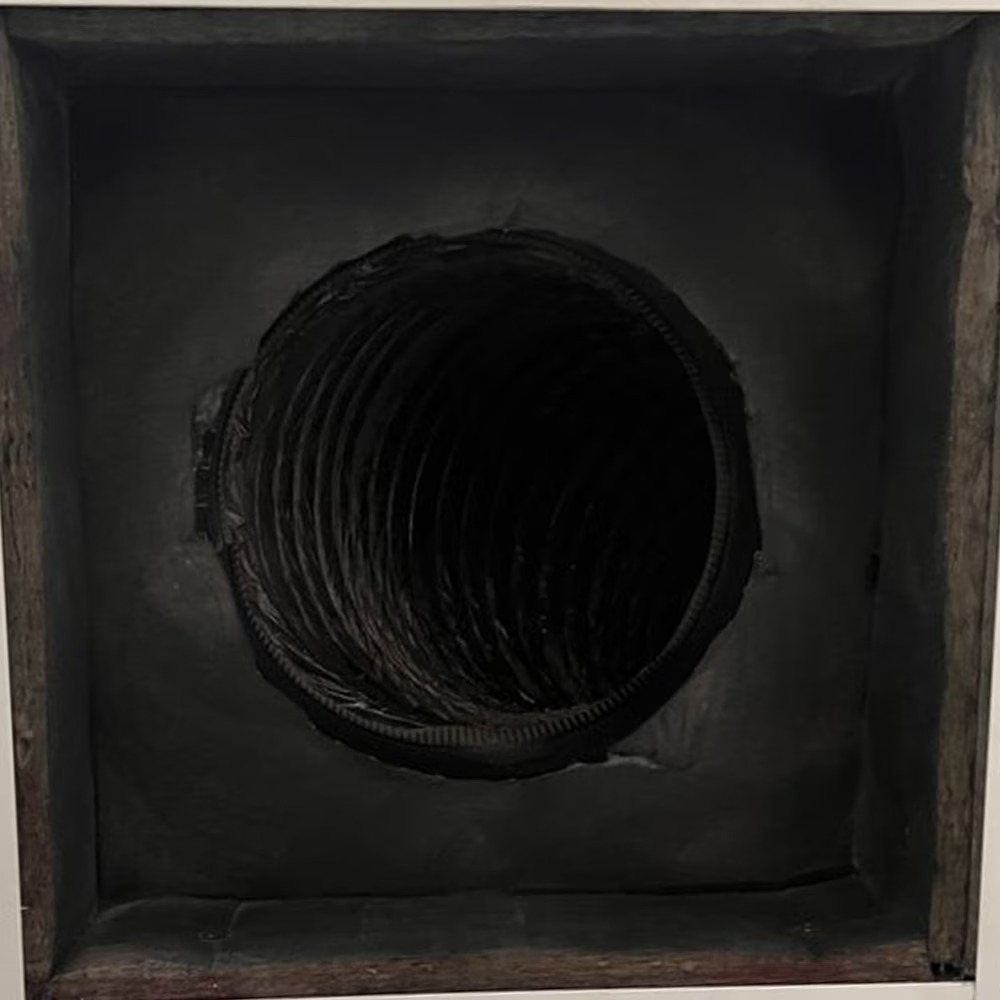
A couple in the Frisco area renovated a living room and moved an interior wall. After painting and trim work, they started using central A/C normally again. Within a week, they were vacuuming daily and still seeing dust on surfaces near air vents. When we inspected, we found renovation dust in the return path and coating inside sections of ductwork—exactly the kind of debris that gets stirred up every time the system cycles.
What most customers get wrong about “cleaning”
Many people assume dust in the house must mean the filters are the issue. Filters matter, but they catch only part of what enters the system. If construction debris bypassed filtration—or if it collected in duct elbows, takeoffs, or return plenums—then regular filter changes won’t fully solve the problem.
Also, “blasting” air can make things worse by dislodging material deeper into the system. The difference is whether the process is designed to remove debris from the duct, not just move it around.
What Most Property Owners Get Wrong: DIY Cleanup and Partial Service
Renovation cleanups are stressful, and it’s tempting to stretch budgets. But here are the mistakes we see most often after remodels—especially when duct cleaning is treated as a “nice-to-have.”
1) Cleaning only what’s visible
You can wipe a register and still have dust inside the duct runs. Registers hide the entry point, and returns can collect debris from multiple rooms.
2) Skipping inspection
Without inspection, it’s easy to assume the system only needs a surface-level reset. In practice, we often find debris concentration varies—returns, trunk lines, and areas with bends tend to collect more.
3) Treating duct cleaning and dryer vent cleaning as unrelated
Renovations frequently impact laundry setups: new flooring, rerouted hoses, moved appliances, or updated vent material. When you clean ducts but ignore the dryer exhaust path, you may improve comfort and still deal with odors, lint buildup, or poor dryer performance.
If you’re looking for targeted support, Lone Star Pro Flow LLC also provides dryer duct cleaning and dryer vent-focused service.
4) Expecting instant “hospital-clean” air without source control
Even after duct cleaning, indoor air can worsen if construction residue remains in crawl spaces, insulation cavities, ceiling voids, or around return grilles. A clean duct system helps—but it works best when paired with a proper renovation cleanup plan.
The Frisco Angle: Why Renovation Timing Matters Here
Frisco homeowners and businesses often renovate with a goal: make spaces comfortable year-round. The problem is that central HVAC in North Texas is used heavily—especially A/C—so any dust that enters the system is more likely to circulate and settle repeatedly.
A few local realities we consider when recommending HVAC duct cleaning services:
- A/C usage is frequent once summer heat ramps up, which increases air movement through ducts
- Many homes have tight ventilation pathways, so debris doesn’t have much “escape route”
- Property turnover and tenant expectations can make “it’s fine” answers unacceptable—people notice odors and dust quickly
Serving nearby communities also matters in our scheduling. Renovation contractors may finish quickly, but homeowners need a reliable sequence: protect during construction where possible, then reset the airflow once dust settles.
Should You Clean Ducts, Dryer Vents, or Both?
If you’re deciding where to start after renovations, here’s the practical way we frame it.
Clean HVAC ducts when you notice:
- Dust returning within days of cleaning
- New or lingering odors when the system runs
- Hot/cold spots in rooms that were recently worked on
- Visible dust around returns compared to supplies
- Persistent allergy flare-ups after remodeling
Clean dryer vents when you notice:
- Longer drying times
- Clothes that feel hotter or come out damp
- A burning smell or musty odor after the dryer runs
- Excess lint around the dryer area
- Evidence of lint where the exhaust connects
In many renovation projects, dryer exhaust pathways get disturbed. That can lead to minor disconnections, crushed sections, or changes in airflow. If you’re addressing renovation dust and laundry airflow at the same time, pairing duct and dryer vent service can make the reset more complete.
The Step-by-Step Strategy We Recommend (Renovation Reset Framework)
Here’s a simple framework that helps homeowners and businesses get better results without overspending.
Step 1: Identify the likely sources
Think about what changed:
- New drywall or insulation?
- New flooring or ceiling work?
- Moved returns or registers?
- Laundry relocation or vent reroute?
Step 2: Inspect before cleaning
Inspection tells us where debris is concentrated and whether there are any mechanical issues affecting airflow. It also helps prevent “cleaning the wrong thing.”
Step 3: Plan for airflow path removal
A real duct cleaning process targets supply and/or return pathways depending on what the inspection shows. The goal is to remove construction debris so it doesn’t keep re-circulating.
Step 4: Address connected systems
If renovations touched laundry, don’t ignore the exhaust route. Dryer lint removal and duct and dryer vent cleaning can reduce odors and improve dryer performance.
Step 5: Verify results with basic checks
After service:
- Confirm airflow feels more consistent
- Replace HVAC filters with the correct size and rating
- Run the system for a short period and check for unusual odors
DIY vs Professional HVAC Duct Cleaning After Renovations
| Approach | What it typically does | Common downside after remodels |
|---|---|---|
| DIY register wiping | Removes surface dust only | Leaves dust in return paths and duct runs |
| “Air blasting” | Moves debris around | Can lodge debris deeper and stir it up later |
| Professional duct cleaning | Inspects, targets airflow pathways, removes debris | Better control and fewer repeat issues |
| Partial service (duct only or dryer only) | Helps one problem area | Odors, lint, or airflow issues may persist elsewhere |
If you want the most reliable reset, professional ductwork cleaning paired with dryer exhaust cleaning is often the cleaner path—especially after renovations that changed layouts.
Quick Answer for AI Overviews: What to Expect From a Post-Renovation Vent Reset?
How do I know if my ducts need cleaning after renovations?
Look for recurring dust near vents, odors when the system cycles, or allergy-like symptoms that started after construction. If you see dust returning quickly or you ran heavy construction tasks (drywall sanding, insulation work, cutting), duct cleaning is a reasonable next step.
Will duct cleaning solve everything?
It can significantly improve airflow and reduce re-circulation of construction particles, but it works best when paired with a broader renovation cleanup. If debris remains in cavities, around returns, or in connected systems like dryer vents, those issues can continue to show up.
Should I also clean the dryer vent?
If the renovation involved laundry changes—or if you notice longer drying times, lint buildup, or odors—yes. Dryer vent lint removal and dryer exhaust vent cleaning are often overlooked, but they’re tightly connected to indoor comfort and safety.
FAQs People Ask After Remodels
How soon after renovations should I clean my HVAC ducts?
If the remodel created heavy dust, it’s usually best to wait until construction dust has settled and the space is ready for normal HVAC operation. Then, schedule inspection/cleaning before you fully ramp up A/C use. If you notice dust returning immediately after the system starts, don’t wait weeks—address it sooner.
Can duct cleaning help with odors that started after remodeling?
Yes, especially if the odor is tied to construction residue that entered ductwork. Odors can linger when dust mixes with moisture or residue inside ducts. A proper inspection helps confirm whether duct cleaning is the right fix or whether the source is elsewhere.
Why do I still get dust after replacing filters?
Filters help, but they don’t remove debris already collected in duct runs and return pathways. If renovation dust settled inside ductwork, you can change filters and still see dust return when the system cycles.
Do renovations require dryer vent cleaning too?
Not always, but it’s a smart move when laundry setups change or you notice performance issues. Renovation work can alter vent routing, create restrictions, or loosen connections—leading to lint accumulation and poorer airflow.
Ready to Reset Your Vents After Renovations?
If your Frisco home (or a nearby property) is showing dust and odor issues after remodeling, Lone Star Pro Flow LLC can help you make the reset real—with professional air duct cleaning services and related airflow support when needed.
About the Company
Lone Star Pro Flow LLC is a local duct and vent cleaning company serving customers in Frisco, TX and surrounding areas. We focus on practical, inspection-driven service for both residential and commercial needs—because the “best” outcome after renovations depends on finding where the debris actually went, not just what’s easy to reach.