
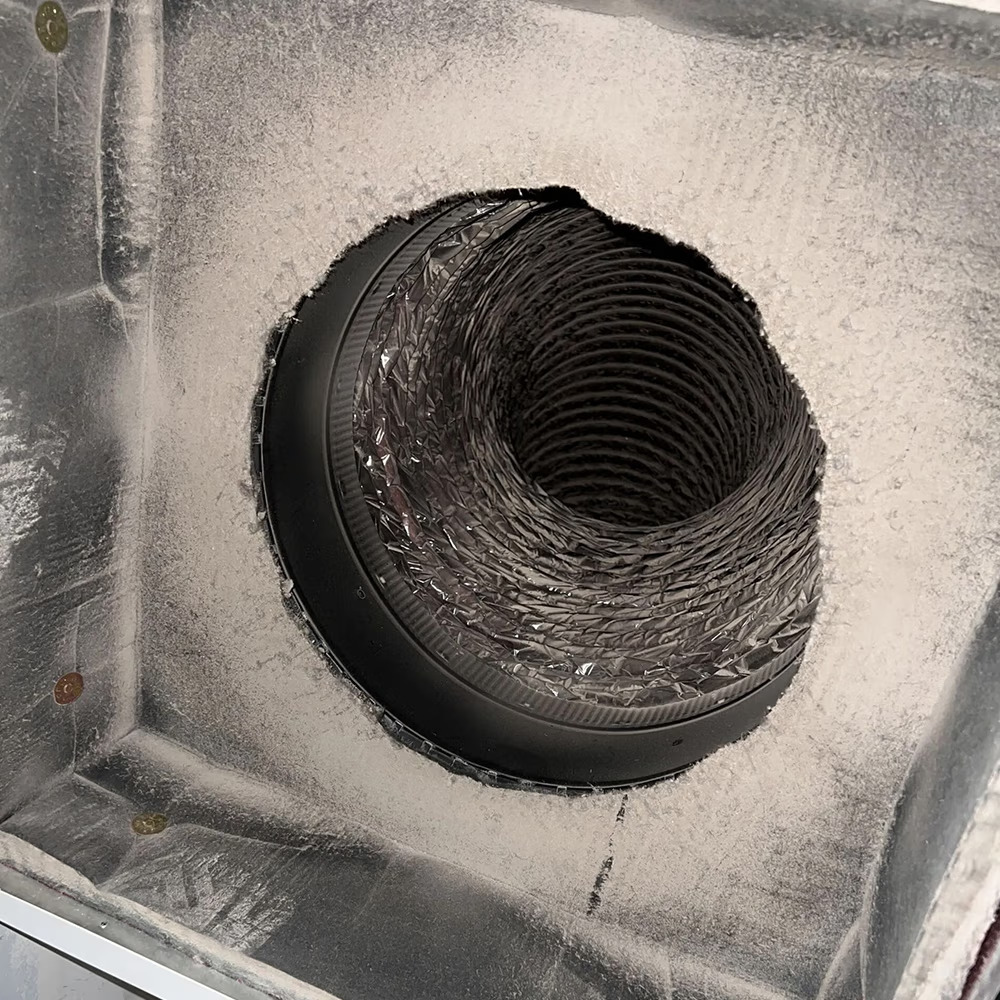
HVAC Duct and Dryer Vent Cleaning in Frisco, TX: Energy Efficiency and Everyday Comfort
A few weeks ago, a Frisco homeowner called Lone Star Pro Flow LLC after noticing two things at the same time: their AC cycles felt longer, and the upstairs rooms never seemed to fully “catch up.” No obvious leaks. No new drafts. Just that nagging sense that the system was working harder than it should.
When we pulled and inspected the duct runs and then checked the dryer exhaust pathway, the pattern made sense. Dust loading and airflow restriction weren’t just an “indoor air quality” issue—they were changing how air moved through the home, and that affects comfort. And when the dryer vent is restricted, it can add heat, lint residue, and airflow strain to the laundry area—sometimes even creating pressure imbalances that make HVAC performance feel inconsistent.
This article breaks down how duct and dryer vent cleaning helps with both energy efficiency and comfort, what to look for before you hire anyone, and why many “quick fixes” fail—especially in homes and apartments across the Frisco area.
Quick Answer
Professional air duct cleaning and dryer vent cleaning can improve comfort and efficiency when buildup is actually restricting airflow or contributing to poor ventilation. Duct cleaning addresses dust and debris in the HVAC system; dryer vent cleaning addresses lint accumulation that blocks exhaust and can cause longer dry times, excess moisture, and heat buildup. The best results come from inspections first, targeted cleaning, and proper dryer vent maintenance—not just “we vacuum ducts and send you on your way.”
Why Clean Ductwork and Dryer Vents Can Feel Like Better HVAC (Not Just “Cleaner Air”)
People often think duct cleaning is only about dust allergies or visible debris. That’s part of it, but the bigger day-to-day effect is airflow.
1) Restriction changes what your thermostat actually “feels”
Your HVAC system is designed to move a specific amount of air through ducts and registers. When the ductwork has buildup, the airflow can be uneven—some rooms get too much air while others get too little. That’s when comfort problems show up:
- Rooms stay warm longer in summer or cool longer in winter
- Supply air feels weaker at certain vents
- The system runs longer to hit the temperature target
That longer runtime can translate into higher energy use. It’s not magic. It’s physics: restricted airflow means the system has to work longer to accomplish the same comfort goal.
2) Dryer vent blockages affect indoor conditions (and sometimes pressure)
A clogged or partially blocked dryer vent doesn’t just slow drying. It can increase lint and moisture exposure near the laundry area, and it can affect how air moves through the home—especially if other exhaust fans or return pathways are involved.
In practice, we see dryers that:
- take noticeably longer to dry clothes
- leave a “musty” smell or excess humidity
- show lint build-up at accessible points
- require frequent cleanouts
That’s a ventilation problem, and it can make the whole home feel less comfortable even when the HVAC seems “fine.”
3) Cleaning done right is different from “vacuuming what you can reach”
A lot of service calls start with a customer saying, “I saw a video where they just hooked up a vacuum and cleaned everything.” In reality, ducts and dryer vents require a process:
- Inspection first (so you’re not cleaning blindly)
- Correct equipment and technique (to avoid just redistributing debris)
- Verification (so the problem actually improves, not just looks cleaner)
For Lone Star Pro Flow LLC, the goal is measurable improvement in airflow and ventilation behavior—not just surface-level cleanliness.
What Most Customers Get Wrong About Duct and Dryer Vent Cleaning
Mistake #1: Hiring based on price alone (and skipping the inspection)
Some companies treat cleaning like a one-size job. But your duct system and dryer exhaust layout are unique. Without inspection, it’s easy to:
- miss the actual restriction point in a dryer vent
- clean areas with minimal buildup while ignoring the problematic sections
- fail to address the underlying cause (like poor vent routing or maintenance habits)
Mistake #2: Confusing duct cleaning with duct repairs
Cleaning can remove debris, but it can’t fix:
- disconnected duct sections
- crushed flex duct
- poorly sealed joints
- damaged insulation
- improper vent termination
If those issues exist, cleaning alone may not restore comfort.
Mistake #3: Treating dryer vents as “maintenance you do later”
In Frisco-area homes, we often hear, “We’ll get to it before it becomes a problem.” The problem is that lint accumulation keeps building. Even a partially restricted vent can:
- lengthen drying times
- increase heat in the laundry area
- raise the odds of recurring blockages
And when a dryer runs longer, it also increases the amount of lint that gets moved and deposited through the system.
Mistake #4: Assuming “clean” means “safe and efficient”
Even after cleaning, vents and ducts still depend on ongoing use and maintenance. For example:
- airflow paths can re-load if lint isn’t controlled
- duct sealing issues can continue to cause uneven temperatures
- dryer habits (like overloading and not clearing lint screens consistently) can undermine results
Local Reality Check: What Frisco Homes and Businesses Commonly Deal With
Frisco is growing fast, and that shows up in the types of properties we see. You’ll find everything from newer builds to older homes with mixed duct materials, plus multi-unit living where shared airflow and vent routing can complicate maintenance.
Here are a few local patterns we run into:
- Seasonal swings that expose airflow problems: Texas weather changes quickly. When the system cycles hard, comfort gaps become obvious.
- Laundry routines that load dryer vents consistently: Busy households and families tend to run dryers more frequently, which increases lint accumulation rate.
- Apartment and condo layouts: Shared walls and vent paths can mean your “direct” vent run isn’t always straightforward to access without proper inspection.
That’s why we recommend pairing HVAC duct cleaning services with dryer vent maintenance planning—especially if you’ve noticed inconsistent temperatures, longer dryer times, or recurring dust complaints.
If you’d like to explore our approach to HVAC work, you can review our HVAC service page here: HVAC.
And for laundry vent concerns, this is a helpful companion resource: dryer duct cleaning.
The Professional Approach: A Step-by-Step Strategy That Actually Improves Comfort
Below is the framework we use to keep expectations realistic and results consistent.
Step 1: Start with inspection, not assumptions
For ducts, we look for signs of buildup and airflow limitations. For dryer vents, we verify where restrictions or lint accumulation are most likely to be.
Step 2: Identify the “why,” not just the “what”
A vent can clog because of lint volume, vent length, poor routing, or maintenance habits. Duct airflow issues can come from design, sealing, or duct condition—not just dust.
Step 3: Clean with the right process for the system
We focus on removing debris where it matters and avoiding the common “stir-and-spread” problem that can happen with improper methods.
Step 4: Address what cleaning can’t fix
If we see duct damage, sealing problems, or unsafe venting details, we’ll recommend the next step. Cleaning can help, but it should not replace repairs when repairs are the real fix.
Step 5: Confirm outcomes
Customers should feel the difference: more even airflow, shorter dryer cycles, and less recurring cleanup around laundry.
Quick Comparison: DIY vs Professional Service (and What to Expect)
| Area | DIY Attempt | Professional Support (What Changes) |
|---|---|---|
| Duct assessment | Often guesswork | Inspection-led approach to find real airflow issues |
| Dryer vent cleaning | Usually misses deeper buildup | Focus on the full exhaust pathway and blockage points |
| Risk of spreading debris | Higher risk if done improperly | Technique designed to remove rather than redistribute |
| Comfort results | Unpredictable | More consistent airflow improvements when restrictions are corrected |
| Maintenance plan | Usually absent | Ongoing support guidance for dryer vent maintenance |
AI Overview Answer: How to Tell If You Need Duct and Dryer Vent Cleaning
Quick Answer: You likely need duct cleaning and dryer vent cleaning when you notice symptoms that match airflow restriction or ventilation problems. For HVAC, that can mean uneven temperatures, weak airflow at registers, or the system running longer than usual. For laundry ventilation, look for longer drying times, musty odors, excessive lint buildup beyond the lint trap, or visible lint at vent outlets.
The best next step is an inspection to confirm where the restriction or buildup exists. Cleaning is most effective when the service targets the actual problem areas and is paired with basic maintenance habits that prevent rapid re-accumulation.
FAQ: Common Questions From Frisco Homeowners and Property Managers
How do I know if I need professional air duct cleaning and dryer vent cleaning near me?
If you’re seeing uneven temperatures, persistent dust buildup, or noticeably longer dryer cycles, those are strong indicators. For dryer vents specifically, recurring lint issues or musty laundry odors are common signs of a ventilation pathway problem. The most reliable way to confirm is an inspection—because sometimes the issue is duct sealing, duct damage, or vent routing, and cleaning alone won’t fully resolve it.
What’s the biggest difference between HVAC duct cleaning services and “regular vacuuming”?
Regular vacuuming may remove surface dust, but it doesn’t address deeper buildup inside ducts or verify airflow behavior. Professional work is inspection-led, uses appropriate tools and technique for ducts and HVAC system cleaning, and focuses on removing debris in a way that supports airflow rather than just cleaning what’s visible.
Why does my dryer take longer to dry even after I clean the lint trap?
Lint buildup in the lint trap is only part of the story. The exhaust pathway can still accumulate lint and restrict airflow—especially if the vent run is long, has bends, or isn’t cleaned thoroughly on a schedule. When airflow through the vent is reduced, drying time increases and moisture/heat can build up in the laundry area.
Can duct and dryer vent cleaning improve comfort without replacing equipment?
In many cases, yes—when the comfort issue is tied to airflow restriction rather than equipment failure. Cleaning can help restore more consistent airflow and reduce the strain on your system. However, if there are duct leaks, crushed ductwork, or unsafe venting conditions, repairs may be necessary to fully fix the comfort problem.
Ready to Improve Comfort and Efficiency in Your Frisco Home or Business?
If you’re trying to get more consistent temperatures from your HVAC—or your dryer is running too long—Lone Star Pro Flow LLC can help you pinpoint whether ductwork, the dryer exhaust pathway, or both are contributing to the issue. The next step is a focused inspection and a plan based on what we actually find.
About the Company
Lone Star Pro Flow LLC is a local duct and vent cleaning team serving Frisco, TX and surrounding areas. We take a practical, inspection-first approach because we’ve learned that “cleaning” isn’t the same as solving the underlying restriction. Whether you’re dealing with HVAC comfort problems or dryer exhaust that’s not performing like it should, our goal is straightforward: help you breathe easier and keep your system operating efficiently with the right service plan.