
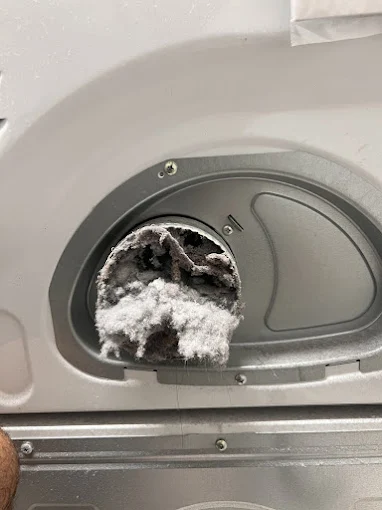
Dryer Duct Cleaning: Keeping Dryer Vents Clear and Fast in Frisco (and Nearby)
If you’ve ever pulled a load of laundry out and noticed clothes feel warmer than usual—or drying takes way longer than it used to—you’re not imagining it. In Frisco, TX, we hear the same story repeatedly: the dryer “works,” but the vent system is quietly turning into a lint trap.
At Lone Star Pro Flow LLC, we’ve serviced homes and small commercial properties where the dryer vent looked “fine” from the outside—until we inspected the exhaust route and found packed lint, restricted airflow, and sections of ducting that were never properly sealed or installed. That’s why dryer exhaust cleaning matters: it’s not just about speed. It’s about preventing recurring blockages, reducing moisture buildup, and protecting the dryer’s performance.
In this guide, I’ll explain how dryer duct cleaning works, what we commonly find around Frisco, what most people get wrong, and how to decide whether you need professional service (and how often).
Quick Answer
Professional dryer duct cleaning removes built-up lint and debris from the dryer exhaust system—often including the transition duct, the full duct run, and the exterior vent. Most homes need attention when drying times increase, you notice a burning smell, the dryer is unusually hot, or lint reappears quickly after cleaning.
If your venting route is long, has multiple bends, uses flexible ducting, or has a history of clogs, professional duct and dryer vent cleaning is usually the best way to restore airflow and reduce the chance of future blockage.
Why Dryer Vent Systems Get Clogged (And Why It Affects Drying Speed)
Dryers don’t just “send lint outside.” They also create airflow patterns that can pull fine particles deeper into the ducting—especially where there are seams, crimps, or bends. Over time, lint builds a layer that:
- reduces airflow (your dryer has to work harder),
- increases heat (heat stress on components),
- and can trap moisture and odors.
One of the most common observations we make during dryer vent inspection in Frisco-area homes: the exterior vent may look clear, but the clog is actually inside the duct run—often near the dryer connection, behind the dryer, or at a bend where airflow slows down.
A real-world scenario we see often
A homeowner runs the dryer “on normal” but it takes 2–3 cycles to fully dry towels. They clean the lint screen every load (good habit), they vacuum the area (also helpful), and they even wipe the dryer drum. Still, drying time stays high.
When we check the exhaust path, we frequently find:
- lint packed at the elbow or transition area,
- a duct section that’s crushed or partially collapsed,
- or a vent that’s installed with poor sealing, letting lint build up inside rather than moving through smoothly.
The dryer is doing its job—but the vent system isn’t letting hot, humid air escape efficiently.
What Most Customers Get Wrong About Dryer Duct Cleaning
There are a few patterns we see across local customers in Frisco and nearby communities. Some are understandable—others are costly.
1) “Cleaning the lint screen is enough”
The lint screen catches a portion of lint, but it doesn’t prevent buildup in the ductwork. If airflow is restricted, lint keeps traveling and accumulating where it can’t be reached by the screen.
2) Assuming “flex duct is fine”
Flexible ducting can trap lint and sag over time. Even if it was installed neatly at first, vibration and gravity can create low spots where debris collects. In an HVAC duct and dryer vent cleaning conversation, we often see homeowners treat the dryer vent like a one-off chore—when duct material and routing are actually the deciding factors.
3) Hiring based on the cheapest quote
A quick “blow-out” without inspecting the route can miss the real problem. Some clogs are not reachable by basic tools, and some systems need a methodical approach: inspection first, cleaning targeted to restrictions, then verification.
4) Waiting until there’s an obvious problem
When the blockage becomes severe, you may notice heat, odors, or error codes. By then, the dryer has already been operating under higher stress. For residential duct and dryer vent cleaning, earlier intervention is almost always the better tradeoff.
Our Take After Working With Local Systems in Frisco
Frisco homes and businesses tend to vary widely in venting layout—some have short, straightforward routes; others have longer runs through closets, utility spaces, or multi-level duct paths. That matters because the farther the exhaust travels and the more turns it takes, the more the system needs careful cleaning and correct configuration.
A local insight we’ve learned the hard way: customer expectations in the area are high—people want laundry done quickly and reliably. When a venting system is restricted, the dryer’s performance drops quietly at first. Then it becomes an everyday frustration.
For businesses (especially multi-unit properties and commercial laundry routines), the impact is bigger:
- longer drying cycles disrupt schedules,
- staff spend time troubleshooting recurring issues,
- and maintenance costs climb when blockages repeat.
That’s why Lone Star Pro Flow LLC treats dryer exhaust cleaning as part of a broader “airflow health” mindset, not a one-time emergency fix.
How to Tell If You Need Professional Dryer Vent Cleaning
Here’s a practical checklist you can use right now. If you notice multiple items, it’s a strong sign you’ll benefit from professional service.
Dryer vent inspection red flags
- Drying times increased noticeably (especially over several weeks)
- Dryer feels hotter than usual during operation
- Clothes come out with a damp or musty smell
- Lint builds up around the dryer area quickly
- Burning smell or unusual odors occur during drying
- The exterior vent flap doesn’t open properly (or opens slowly)
- You recently moved in and don’t know the vent history
Quick “at home” checks (not a substitute for service)
- Clean the lint screen thoroughly every load (baseline habit)
- Vacuum lint around the dryer and in accessible areas
- Check the exterior vent for visible blockage
- Observe airflow at the vent while running (you should feel strong, consistent airflow)
If airflow feels weak or inconsistent, the restriction is likely inside the duct run.
Actionable Strategy: What a Quality Job Should Include
Not all dryer vent cleaning is equal. When you’re comparing duct and dryer vent cleaning services, ask what the process includes. Here’s a simple framework we use when planning Primary Service work.
Step-by-step framework (what “good” looks like)
1. Inspection of the vent route
- Identify duct material, length, and number of bends
- Locate likely restriction points (commonly near the dryer connection and elbows)
2. Targeted cleaning of the exhaust path
- Remove lint buildup using appropriate equipment for duct size and layout
- Address transition sections where buildup often starts
3. Verification
- Confirm improved airflow through the duct route
- Check exterior vent function and ensure the system is not still restricted
4. Recommendations for long-term dryer vent maintenance
- Guidance on duct routing changes if the system is prone to blockage
- Tips to reduce future lint buildup and keep drying performance stable
DIY vs professional support (quick comparison)
| Approach | What you can do | Where DIY often falls short | Best for |
|---|---|---|---|
| DIY lint removal | Clean lint screen, vacuum accessible areas | Deep duct buildup, bends, hidden restrictions | Light maintenance and short, simple vent runs |
How Often Should Dryer Vent Cleaning Be Done?
There isn’t a single “one size fits all” schedule, because venting layout varies. But in practice, we recommend professional attention sooner if:
- your household does frequent loads,
- your dryer takes longer than it used to,
- you have a longer duct run or multiple bends,
- you’re dealing with apartment dryer vent cleaning or condo dryer vent cleaning where systems are shared or previously maintained inconsistently,
- or you’ve already experienced lint buildup or blockage removal.
For many residential setups, periodic professional service combined with good dryer lint removal habits keeps performance consistent.
If you’re unsure, a dryer vent inspection is the fastest way to get clarity. It turns guesswork into an actionable plan.
FAQ: Dryer Duct Cleaning Questions We Hear in Frisco
How do I know if I need dryer duct cleaning or just dryer lint removal?
If drying time has increased, the dryer feels hotter, there’s a musty smell, or lint seems to accumulate around the dryer area quickly, cleaning only the lint screen usually isn’t addressing the root issue. Dryer lint removal helps, but it doesn’t clear restrictions inside the duct run. A professional inspection can pinpoint where lint is building up and whether airflow is compromised.
What should I check before hiring a local company for dryer vent cleaning services?
Ask whether they perform an inspection first, how they handle the full duct path (not just the visible area), and how they verify airflow improvement afterward. Also ask about the duct material and whether they recommend changes when flexible ducting or poor routing is contributing to recurring blockages.
Why does the problem keep coming back after cleaning?
Most repeat issues come from one of these: lint buildup in hidden duct sections, ducting that’s sagging or crushed, too many bends, poor sealing at joints, or inadequate cleaning depth. If the system design makes lint collection likely, ongoing dryer vent maintenance guidance is essential—not just a one-time clean.
Can professional cleaning help both residential and commercial systems?
Yes. Residential duct and dryer vent cleaning addresses home exhaust routes, while commercial duct and dryer vent cleaning focuses on higher-use schedules and multi-unit or business layouts. Apartment and condo dryer vent cleaning often requires extra attention to consistency and access limitations.
Ready to Improve Dryer Performance Without the Guesswork?
If your dryer is running longer, getting hotter, or leaving clothes damp, it’s a practical time to check the exhaust system—not just the lint screen. Lone Star Pro Flow LLC provides professional dryer duct cleaning and dryer vent inspection in Frisco and surrounding areas, with a process built around inspection, targeted cleaning, and verification.
For help with your setup, you can start here:
If you’d like to connect this to overall system performance, you can also explore related airflow services here:
HVAC service help
About the Company
Lone Star Pro Flow LLC is a Frisco, TX team focused on airflow and venting solutions that work in real homes and real business conditions—not just in theory. We combine practical industry experience with a careful inspection-first approach, so you get clear recommendations and cleaner performance you can feel in everyday use.
Learn more at Lone Star Pro Flow LLC.