
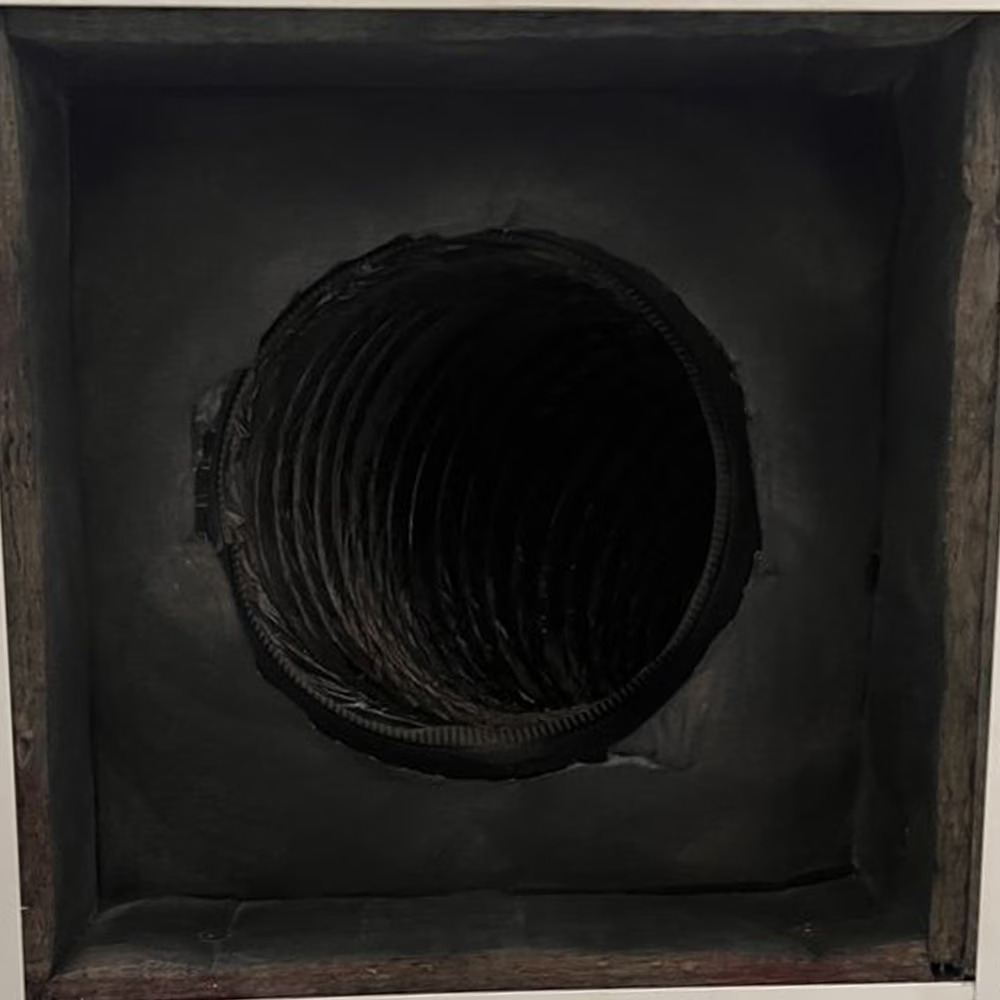
HVAC Duct Cleaning From Filter to Register, Simplified (Frisco, TX)
The first time we see a “clean” air duct system in Frisco, it’s usually because someone paid for a quick surface vacuum—then the problem didn’t really go away. You still smell dust when the AC kicks on. You still see lint-like debris near a return. And worst of all, the filter keeps getting loaded faster than it should.
At Lone Star Pro Flow LLC, we hear variations of the same story from homeowners and property managers across Frisco and the surrounding communities: they want cleaner air, but the process feels confusing. Which ducts should be cleaned? What about the area right at the filter? Do you clean supply runs all the way to the register? And how do you avoid making a mess?
In this guide, I’ll break down what “from filter to register” actually means in real-world terms, what to expect from proper HVAC duct cleaning services, and how to avoid the common shortcuts that leave systems partially cleaned—or worse, leave debris floating around your home.
Quick Answer
Good HVAC duct cleaning goes beyond a quick vacuum of the visible ductwork. A professional approach focuses on the airflow path: from the return side and filter area (where dust gathers) through the duct runs, and out to the registers—with controls to prevent re-contamination. In Frisco homes, we also pay attention to how AC cycles, filter habits, and nearby dust sources affect what customers notice (odors, visible dust, allergies, or persistent debris).
If you’re looking for air duct cleaning services that actually improve indoor air quality, the right questions are about process, access, containment, and verification, not just “how much suction” or “how long it takes.”
What Proper “Filter to Register” Cleaning Really Covers
Let’s make this practical. Most residential systems aren’t one continuous, easily accessible “tube.” They’re a network of returns, supply branches, elbows, and registers—plus the filter box and air handler where dust and lint commonly accumulate.
Here’s the real flow we evaluate:
1) The return side and filter area (where buildup starts)
Many customers blame the supply vents, but the real story often begins at the return and filtration points. When air pulls through a dirty filter or a filter slot that doesn’t seal well, dust can migrate into nearby components. Even a properly installed filter can get overloaded quickly if:
- the system runs a lot during Texas summers,
- there’s construction dust, windblown particles, or seasonal debris,
- or the filter is the wrong size / not sealing.
Our goal here: remove the dust that’s already in the path and reduce what can re-enter the airflow.
2) The duct runs (where loosened debris must be controlled)
When debris inside ducts is disturbed, it doesn’t “disappear.” It either:
- stays trapped and is collected properly,
- or gets blown into the living space.
That’s why we emphasize technique and containment—especially in occupied homes and businesses where dust control matters.
3) The registers (the part you can actually see and feel)
If you only clean the duct runs but leave registers and nearby plenum areas untouched, customers still feel “it didn’t work,” because dust can remain where air exits. Conversely, focusing only on the registers without addressing the duct interior typically leads to repeated cleanup requests.
From filter to register means we look at the system like an airflow route, not like disconnected vents.
What Most Customers Get Wrong About This
After working with local customers around Frisco, here are the mistakes we see again and again.
Mistake #1: Treating ducts like they’re always “dirty enough” to warrant a full clean
Not every system needs the same level of intervention. Sometimes the real issue is:
- a clogged or poorly sealed filter,
- return air obstructions,
- dirty blower compartments,
- or even duct leaks pulling in attic dust.
We’ll tell you when duct cleaning is the right move and when the better first step is inspection and targeted cleaning.
Mistake #2: Assuming “longer” means “better”
Time can be a factor, but it’s not the goal. The goal is effective removal with controlled airflow. A rushed approach can stir dust without collecting enough of it.
Mistake #3: Ignoring the realities of residential ductwork
Ducts have turns, dampers, and branch lines. Some sections are harder to access. Good service is about method—access points, careful technique, and leaving the system cleaner than we found it.
Mistake #4: Forgetting that duct cleaning doesn’t replace filter discipline
If a system keeps pulling the same dust load through the filter, buildup will return. We often recommend practical filter habits after cleaning—because cleaning is a reset, not a forever cure.
The Local Frisco Angle: Why Duct Cleaning Shows Up Differently Here
Frisco homes tend to spend a lot of time in cooling season, and that changes what customers notice. In the heat, systems run longer and cycles can shift—so dust, lint, and fine particles move more often through the duct network.
We also see local patterns that affect indoor air quality:
- Windblown dust from open areas and landscaping changes
- New construction and remodel dust around neighborhoods
- Attic and crawlspace particulates when ductwork isn’t perfectly sealed
- Busy household schedules that lead to longer periods between filter changes
That’s why we don’t just ask, “Do you want ducts cleaned?” We ask what you’re seeing and smelling—because those clues tell us where the problem is most likely concentrated.
If you’re also dealing with dryer-related airflow issues, it’s worth coordinating the two. Many homeowners notice dust problems in more than one place, especially when lint buildup is contributing to indoor odors and airborne particles. You can also explore dryer duct cleaning if you’re trying to solve the whole-house airflow picture.
A Real-World Scenario We Handle Often
A property manager calls in late summer. Tenants complain about:
- a “dust smell” when the AC starts,
- visible dust on blinds within days of cleaning,
- and a filter that looks gray after only a short period.
When we inspect, we typically find a combination of:
- return and filter area dust loading,
- duct sections with loosened debris,
- and registers that still show residue because debris re-settles where air exits.
After a proper cleaning process, the difference isn’t just “less dust.” It’s that the system stops acting like a dust recycler. Tenants usually notice it most in the first few weeks—especially if filter changes are maintained.
Step-by-Step: How We Approach HVAC Duct Cleaning Services
Every system is different, but a strong professional workflow usually looks like this:
1) System assessment (before any aggressive cleaning)
- Where is the filter located and does it seal properly?
- How is the return configured?
- Are there signs of dust accumulation at registers or near the air handler?
- Any obvious obstructions or disconnected duct sections?
2) Decide what to clean (and what not to guess at)
We focus on the parts that affect airflow and what the homeowner or business actually experiences.
3) Controlled removal
The goal is to loosen and remove debris while minimizing what returns to the home. This is where quality differs most from “quick vacuum” services.
4) Verify results
A professional team won’t just “finish and leave.” We look for consistent cleanliness and confirm the work aligns with what you were noticing before the visit.
5) Reset with practical follow-through
- Correct filter type and change schedule
- Notes on any issues that could keep pulling dust into the system
If the job includes air duct cleaning and dryer vent cleaning concerns, we’ll help you prioritize. (Sometimes dryer issues are the bigger immediate risk, and the duct cleaning can follow once you’ve removed a major source of lint and airflow restriction.)
HVAC Duct Cleaning vs. Dryer Duct Cleaning: Two Problems, One Airflow Story
People often search for air duct and dryer vent cleaning at the same time, and that’s usually because the symptoms overlap: odors, dust, and airflow complaints.
- HVAC duct cleaning targets dust and particulates in the heating/cooling airflow path.
- Dryer duct cleaning targets lint accumulation and blockage potential in the exhaust path.
If you want a coordinated approach, you can also review our HVAC services and dryer duct cleaning so you can compare what each system needs.
Quick Comparison: DIY vs. Professional (and Why It Matters)
| Approach | What usually happens | Risk | Best for |
|---|---|---|---|
| DIY duct vacuuming / brushing | Surface debris removal; limited reach | Stirring dust without proper collection | Light, occasional register dust only |
| “Quick clean” with minimal controls | Some suction, limited containment | Re-contamination; incomplete cleaning | When ducts are already clean (rare) |
| Professional HVAC duct cleaning services | Controlled removal + system assessment | Minimal if done correctly | Homes and businesses with ongoing dust/odor/airflow complaints |
In our experience, DIY attempts often feel good at first—until dust resettles. Professional methods are designed to clean without turning your home into a dust distribution system.
Ready to Hire? Use This Checklist Before Any Air Duct Cleaning
Use this framework when you request duct cleaning services:
Before the visit
- Ask what they inspect first (filter area, air handler, return path, register areas).
- Ask how they prevent debris from re-entering the home/business.
- Ask what they will and won’t guarantee (results depend on access and system condition).
- Confirm the scope (returns + supply runs + registers vs. partial cleaning).
During the visit
- Watch for a methodical approach: staged access, controlled removal, and communication.
- If you have pets or allergies, ask how they handle dust control.
After the visit
- Ask what they found and what they cleaned.
- Request recommendations for filter maintenance and next steps.
FAQ: Common Questions From Frisco Homeowners and Businesses
How do I know if I need air duct cleaning?
If you’re noticing recurring dust, musty odors when the system runs, visible debris around registers, or your filter loads faster than expected, it may be time to evaluate duct cleanliness. However, duct buildup isn’t the only cause—return airflow issues and filter sealing can contribute a lot. A proper assessment is the fastest way to avoid unnecessary cleaning.
Will duct cleaning make my home cleaner immediately?
Many customers notice improvements quickly, especially when dust was actively circulating through the supply and register areas. That said, if the system was heavily loaded, you may still see residual dust for a short period while the environment stabilizes. Using the right filter schedule afterward usually matters just as much as the cleaning itself.
What’s the biggest difference between “professional duct cleaning” and a basic service?
Professional service focuses on process: assessing the airflow path, cleaning the relevant sections (not just registers), controlling debris movement, and verifying results. Basic services often skip key steps, which can lead to incomplete cleaning or re-contamination.
Ready to Take the Next Step for Cleaner Indoor Air in Frisco?
If you want a duct cleaning process that’s grounded in how your system actually moves air—from the filter area through the duct runs and out to the registers—Lone Star Pro Flow LLC can help you get a clear plan instead of guesswork.
About the Company
Lone Star Pro Flow LLC is a Frisco, TX HVAC and air quality-focused team built around practical, careful service. We help homeowners and local businesses make sense of duct and airflow problems—then solve them with a method that prioritizes real-world results. For more on our work, you can explore our HVAC services and coordinate with dryer duct cleaning when you’re tackling the whole airflow system.