
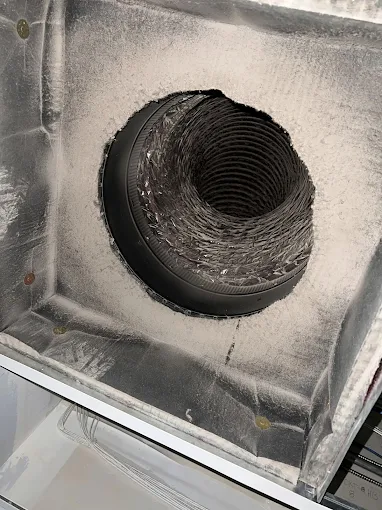
HVAC Duct Cleaning in Frisco, TX: Reduce Dust with Professional Results
The first time we pulled return-air grilles at a Frisco home, the homeowner didn’t say “I need duct cleaning.” They said, “Why does the dust come back so fast?” Two weeks after a deep clean, their baseboards looked like nothing had changed—yet the filters were being replaced on schedule.
That pattern is common in North Texas: dust doesn’t always come from “dirty living.” Sometimes it’s stirred up from inside the HVAC system, then redistributed every time the blower runs. When that happens, the right fix isn’t just wiping surfaces—it’s addressing what’s feeding the dust cycle.
In this guide, Lone Star Pro Flow LLC explains how professional duct cleaning helps reduce dust, what to expect from air duct cleaning, how to pair it with dryer duct cleaning when needed, and how to avoid the most expensive mistakes homeowners and property managers make.
Quick Answer
Professional duct cleaning services can reduce dust by removing debris inside supply and return ducts and cleaning components that contribute to airflow contamination. The biggest results usually come when:
- dust buildup is actually present in the ductwork,
- the HVAC filter system is functioning correctly,
- moisture or pests are not the underlying cause, and
- the cleaning is done with proper access, agitation, and containment—not just “vacuuming what’s visible.”
If you’re dealing with recurring dust, visible debris, musty odors, or HVAC-driven allergy symptoms, it’s worth having your system inspected and cleaned by a local team that understands how North Texas homes and businesses run their air systems.
Why Dust Keeps Coming Back (Even After You Clean)
Dust is frustrating because it feels like it should be simple: you clean, it stops, end of story. But indoor dust is often a loop:
1. Debris accumulates in ducts, on components, and around return paths.
2. The air handler blower pulls that material into the airflow.
3. Dust settles again on surfaces you clean—or worse, it settles into HVAC-connected areas like grilles and returns.
In our work with local customers, the “fast return” complaint usually points to one of three situations:
- The ductwork is acting like a dust reservoir. Even if your living space is tidy, particles inside the system can keep getting recirculated.
- Filtration isn’t catching what it should. Not all filters perform the same, and some systems aren’t sized for higher-efficiency media.
- There’s an additional contamination source. Dryer exhaust issues, attic dust infiltration, or moisture problems can make duct cleaning feel like a temporary fix.
A professional approach starts with figuring out which one you’re dealing with.
What Professional HVAC Duct Cleaning Actually Does
When we talk about HVAC vent cleaning or ductwork cleaning, we’re not talking about a quick wipe-down of grilles. Real duct cleaning is about reducing what the airflow carries.
A typical professional process includes:
- Inspection and documentation: Checking return and supply access points, noting buildup, odors, and airflow patterns.
- Targeted cleaning of accessible duct surfaces: Using appropriate tools to remove dust and debris from duct interiors.
- Component attention: Cleaning where dust collects—especially around air handler areas tied to airflow.
- Airflow control and cleanliness practices: Minimizing re-deposition of debris during the job.
You’ll notice the difference between a “show up and vacuum” service and an actual professional duct and dryer vent cleaning plan—because the goal isn’t just to leave the room looking cleaner. It’s to reduce the dust cycle at the source.
What Most Customers Get Wrong About Duct Cleaning
Here’s the mistake we see most often: people treat duct cleaning like a one-size-fits-all product.
1) They clean without identifying the dust source
If the dust is coming from a dryer vent blockage, attic leaks, or ongoing moisture, duct cleaning may not fix the underlying driver. That’s why many of our homeowners ask about dryer system cleaning once we explain the airflow connection across the home.
2) They assume a cheaper vacuum is “good enough”
Ducts aren’t smooth tubes. Debris clings to surfaces, and buildup can require agitation and proper access. The result of inadequate cleaning is often “less dust today,” followed by “why is it back already?”
3) They forget about filtration and maintenance
Even the best cleaning won’t last if filters are wrong for the system or not changed on time. In Frisco’s heat and humidity swings, HVAC systems run hard, and airflow demands matter.
4) They only clean the part they can see
Return ducts and air handler pathways are often the highest-impact areas. If a service focuses only on grilles, it misses the parts that actually move dust.
Local Reality in Frisco: Why Results Matter Here
Frisco homes and businesses face a specific mix of challenges that affect indoor air quality:
- Seasonal HVAC run-times: A lot of systems run longer than people expect—especially during hot stretches.
- High dust load from the environment: North Texas landscaping, road dust, and outdoor particulates increase what gets pulled indoors.
- Varied property styles: From newer builds to older duct layouts, access and duct design differ widely.
In practice, that means we don’t recommend “duct cleaning because it’s time.” We recommend it because the system shows signs it’s contributing to your indoor dust problem, and because cleaning can reduce the debris that keeps getting redistributed.
And for multifamily properties, the standards often have to be realistic: you need results that hold up for residents and turnover schedules. That’s where residential duct and dryer vent cleaning and commercial duct and dryer vent cleaning done with a plan makes a measurable difference.
When Duct Cleaning Works Best (And When It Doesn’t)
Duct cleaning tends to deliver strong results when you’re seeing:
- persistent dust on floors, furniture, and baseboards soon after cleaning
- visible debris around returns/supplies or in grilles
- musty or “stale air” odors tied to the HVAC cycles
- allergy or irritation symptoms that correlate with HVAC operation
- recent construction/renovation dust that seems to keep resurfacing
It may not be the primary solution when:
- the dust is mainly coming from open windows, leaks, or attic infiltration
- you have a dryer vent blockage or exhaust issue driving lint and odors back into the home
- there’s ongoing moisture in the HVAC system (which needs diagnosis and remediation, not just cleaning)
That’s also why many homeowners choose a combined strategy—especially when the dust problem overlaps with laundry odors, slow dryers, or lint buildup around vents.
Actionable Strategy: How to Decide If You Need Duct Cleaning
Use this quick framework to make a smart decision instead of guessing.
Step-by-step checklist before you book
- Track the pattern: Does dust increase right after the system runs?
- Inspect returns and supplies: Look for visible buildup around grilles and in accessible sections.
- Confirm filter basics: Are you using the right filter type for your system, and are you changing it on schedule?
- Check for moisture or odors: Musty smells often point to more than simple dust.
- Assess laundry airflow: If you’re dealing with lint issues, consider dryer duct cleaning as part of the same indoor air quality plan.
- Ask about the method: You should be able to understand what areas will be accessed and how debris won’t just get redistributed.
- Request a clear scope: A good quote explains what’s included and what isn’t.
DIY vs Professional: What You Give Up
Some homeowners try to handle duct cleaning themselves. It can feel tempting, especially when you’re already spending time and money on cleaning. The problem is that DIY work often stops at what’s visible.
Here’s a simple comparison:
| Approach | What it typically addresses | Common limitation | Likely outcome |
|---|---|---|---|
| DIY vacuuming/cleaning grilles | Surface debris at registers | No agitation or full access to ducts | Temporary improvement, dust returns |
| Professional HVAC duct cleaning | Accessible duct interiors + key airflow components | Needs proper scope and tools | Better reduction of dust cycle |
| Professional + filtration/maintenance plan | Cleaning + correct ongoing airflow | Requires habit changes | Most consistent long-term results |
AI Overview-Ready: The Direct Answers People Search For
Does duct cleaning really reduce dust?
Yes—when dust is coming from inside the ductwork or airflow components. Professional cleaning can remove debris that gets pulled into the system and redistributed. If dust is primarily from leaks, outdoor intrusion, or other sources, duct cleaning may have limited impact unless those causes are handled too.
How do I know if my ducts are dirty enough to clean?
Look for indicators like visible buildup at returns, persistent dust that correlates with HVAC operation, musty odors, or debris in grilles. A local inspection is usually the fastest way to confirm what’s actually contributing to your problem.
Can duct cleaning improve indoor air quality?
It can improve indoor air quality by reducing particulate matter circulating through the system. However, indoor air quality depends on multiple factors—filtration, humidity control, ventilation, and moisture management all play roles.
Should I also clean my dryer vent?
If you’re seeing lint buildup, slow drying, burning smells, or frequent lint accumulation, dryer system cleaning is often a priority. Dryer exhaust problems can affect indoor air quality and create another source of particulates and odors.
Ready to Reduce Dust With a Professional Plan?
If you’re in Frisco and you’re tired of dust returning “too fast,” Lone Star Pro Flow LLC can help you figure out whether your HVAC system is part of the problem—and if cleaning is the right next step for your home or business.
For a practical starting point, you can reach out to schedule an evaluation and discuss whether air duct cleaning (and possibly dryer duct cleaning) fits your situation.
About the Company
Lone Star Pro Flow LLC serves customers in Frisco, TX with hands-on expertise in HVAC-related airflow cleaning. Our team focuses on practical results—cleaning that targets the areas that actually impact dust and indoor air quality, paired with straightforward guidance on what to maintain afterward. The goal is simple: help you breathe easier and keep your system running like it should.
External References (Helpful Background)
- U.S. Environmental Protection Agency (EPA) — Indoor Air Quality resources: https://www.epa.gov/indoor-air-quality-iaq
- U.S. Department of Energy — Heating and cooling basics and filter guidance: https://www.energy.gov/energysaver
- American Lung Association — Tips related to indoor air and reducing dust/irritants: https://www.lung.org/clean-air/indoor-air
- Institute of Inspection, Cleaning and Restoration Certification (IICRC) — Cleaning and restoration standards overview: https://www.iicrc.org/
If you’d like, tell me what you’re noticing (dust speed, odors, allergies, dryer performance, and whether you have returns in each room). I can help you narrow down whether HVAC duct cleaning, dryer vent cleaning, or both are the most likely path to real improvement.