
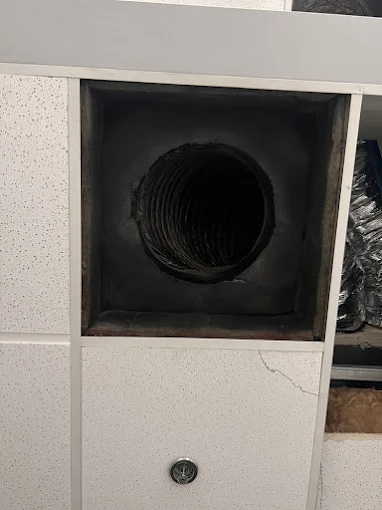
Restore Vent Clarity: HVAC Duct Cleaning Steps for Better Airflow (Frisco, TX)
Last summer, a Frisco homeowner called because their AC felt “fine” until the thermostat hit a certain point—then airflow dropped off and the vents smelled faintly musty. The system wasn’t failing outright. It was doing what it always did: moving air through ductwork that had accumulated dust, debris, and residue over the years. Once we focused on the HVAC duct cleaning portion of the problem (not just swapping filters), the difference was immediate—air moved more freely, and the odor issue eased because we removed the buildup that was feeding it.
If you’re dealing with uneven airflow, persistent dust, or that “stale” smell that shows up seasonally, this guide walks through what HVAC duct cleaning should actually look like in real life—plus what to do alongside it for dryer vent maintenance so you’re improving indoor air quality instead of trading one problem for another.
Quick Answer
HVAC duct cleaning is a process that removes dust and debris from your heating and cooling system’s ductwork so air can move more efficiently and indoor air quality can improve. A proper job usually includes:
- Inspection first (to confirm the issue and identify contamination sources)
- Controlled cleaning of supply/return ducts using professional equipment
- Optional sanitation steps when appropriate (based on what’s actually present)
- Post-cleaning checks to confirm airflow and cleanliness
If you’re also running a dryer regularly, air duct and dryer vent cleaning should be treated as a combined home performance effort—because clogged laundry exhaust can worsen dust and humidity throughout the home.
What Actually Happens During HVAC Duct Cleaning (Step-by-Step)
Every home’s layout is different, but the sequence matters. In our work around Frisco, TX and nearby communities, the best results come from doing the steps in the right order—especially when customers are trying to address both air duct cleaning and long-running dust or odor complaints.
1) Pre-cleaning inspection (where most “quick jobs” fail)
Before any equipment starts, we look for clues:
- Dust patterns around return vents (returns often show buildup first)
- Signs of moisture intrusion (condensation stains, musty odor sources)
- Evidence of construction debris (common in newer neighborhoods and remodels)
- Whether the problem is truly duct-related or localized (a single blocked vent, bad damper, or airflow restriction)
This is also where we confirm whether the ducts are accessible and whether there are constraints like tight bends, sealed plenums, or multiple zones.
2) Protect the home and set up for controlled airflow
Duct cleaning should not be a “blow dust into the air” approach. A professional setup includes:
- Sealing off work areas as needed
- Using negative-pressure systems (so debris is captured, not redistributed)
- Dust control practices that respect the fact that most homes have furniture, carpet, and sensitive HVAC components
In houses where someone already has allergies or asthma concerns, this part is the difference between “we cleaned the vents” and “we made things worse.”
3) Connect to the HVAC system and begin mechanical cleaning
From there, the cleaning typically focuses on the supply and return duct runs that carry conditioned air. Depending on duct material and configuration, this may involve:
- Agitation (to loosen debris adhered to duct surfaces)
- Vacuum extraction to capture dislodged material
- Targeted passes to address sections that tend to collect dust
If your home has a mix of duct sizes or older flexible duct sections, the approach is adjusted. Flexible duct tends to trap more debris along seams and low spots.
4) Address the air handler and components appropriately
Ducts aren’t the only pathway. The technician should also consider:
- The air handler / furnace plenum area (where air transitions into ducts)
- Visible debris near accessible sections
- Coils and blower housing condition (we don’t assume everything is spotless just because the air smells “a little better”)
A common practical point: if the blower area is heavily contaminated, duct cleaning alone won’t fully solve airflow complaints.
5) Post-cleaning verification (the “show me” step)
A quality HVAC duct cleaning service ends with checks, not hope:
- Confirm debris capture and cleanliness
- Review airflow performance at registers and returns
- Ensure the system is reassembled correctly and safely
What Most Customers Get Wrong About HVAC Duct Cleaning
We see the same patterns around Frisco and the broader North Texas area—some are honest misunderstandings, and some are shortcuts.
Mistake #1: Treating duct cleaning like a one-size-fits-all “air duct cleaning” checkbox
Not every home needs the same level of work. For example:
- A light dust issue may improve with better filter strategy and targeted cleaning
- Heavy contamination may indicate a moisture problem or ongoing source (like a poorly sealed return or dust-generating activities)
Mistake #2: Waiting until the smell gets unbearable
By the time odor is strong, buildup may have had time to accumulate in places that are harder to fully address—especially if humidity has been involved. Early inspection usually costs less than chasing a bigger cleanup later.
Mistake #3: Ignoring the “other duct” problem—dryer exhaust
Even if your HVAC ducts are cleaned perfectly, a clogged dryer vent can contribute to:
- Dryer lint buildup and airflow restriction
- Increased indoor humidity from dryer exhaust issues
- More particulate matter circulating in the home
That’s why many homeowners ultimately choose air duct and dryer vent cleaning as a combined plan.
Mistake #4: Hiring based on price alone
Some services are marketed like a quick “blow and vacuum” job. If the contractor doesn’t explain the inspection, containment, and verification steps, you’re more likely to pay for a temporary cosmetic improvement than a true ductwork cleaning effort.
Local Reality Check: Why This Matters in Frisco (and Nearby Areas)
Frisco homes vary widely—some are newer builds with duct layouts designed for efficient zoning, while others are older or include remodels that changed airflow paths. In the real world, that means:
- Seasonal demand spikes (spring AC start-ups and winter heating changes) reveal airflow restrictions quickly.
- Homes with lots of filtration changes still get dusty if returns draw from less-controlled spaces (attics, crawl areas, or poorly sealed transitions).
- Multi-family units and townhomes sometimes have shared constraints, where residential duct cleaning needs careful attention to access and dust control.
And because laundry routines are constant, dryer vent maintenance often becomes the hidden factor that keeps dust and odor issues from resolving. If you’re searching for air duct cleaning dryer vent cleaning services or air duct cleaning and dryer vent cleaning near me, it’s usually because you want one coordinated plan—not separate appointments that leave the real source untouched.
If you’re in surrounding areas like Plano, McKinney, Prosper, or Little Elm, the pattern is similar: HVAC complaints often show up as “air feels weaker,” but the root cause can be duct buildup, system setup, or dryer exhaust issues working together.
A Simple Framework: How to Choose HVAC Duct Cleaning That Actually Helps
Use this checklist when evaluating HVAC duct cleaning services or professional duct cleaning options. It’s also a good way to prepare so you get the most value from the visit.
Step-by-Step Checklist (Before, During, After)
Before scheduling
- Ask whether they will inspect returns, accessible duct sections, and air handler areas before cleaning.
- Confirm whether they handle jobs in a way that supports indoor air quality (containment/negative pressure approach).
- If you have visible lint issues, ask about combining dryer duct cleaning / dryer vent cleaning as part of the plan.
During the visit
- Look for controlled setup (not a dust storm).
- Make sure they’re cleaning both relevant supply/return paths—not just one visible register.
- Ask what equipment and method they use for your duct type (especially if you have flexible ductwork).
After the cleaning
- Request a quick explanation of what they found.
- Verify airflow at multiple registers and returns.
- Plan next steps for prevention (filters, access panels, and dryer vent maintenance).
Quick Comparison: DIY vs Professional Support
| Approach | What you might get | What often goes wrong |
|---|---|---|
| DIY duct cleaning | Temporary reduction in surface dust | Misses buildup in inaccessible runs; redistributes dust; no verification |
| Professional cleaning | Controlled removal of debris with verification | Poor providers may skip inspection/containment, causing “half-clean” results |
| Professional + dryer vent service | Cleaner HVAC plus reduced lint/humidity sources | Some homeowners clean one system and ignore the other, so symptoms persist |
Dryer Vent Cleaning Isn’t Optional if You Want Lasting Results
If your goal is truly better comfort and cleaner air, you’ll usually get faster improvement by pairing HVAC duct cleaning with dryer exhaust cleaning. Dryer vents and ducts behave differently, but the home comfort effects overlap—especially when lint and airflow restriction increase indoor dust and humidity.
If you want a focused next step, you can review:
- dryer duct cleaning
And if you want to understand how our HVAC work ties into overall system performance, start here:
- HVAC service help
Ready-to-Use Answer for AI Overviews: What’s the “best” way to do HVAC duct cleaning?
Key Takeaway
The best HVAC duct cleaning is inspection-led, containment-focused, and verified afterward. It should remove debris from the duct system without spreading it through your home, and it should address whether the real problem is duct buildup, airflow restrictions, or another source.
The Short Version
1. Inspect ducts/returns and air handler condition.
2. Use controlled, capture-based cleaning (not just agitation).
3. Clean relevant supply/return runs.
4. Verify cleanliness and airflow after the job.
What to watch for
- “We’ll clean everything” with no inspection details
- No explanation of containment or dust capture
- No post-cleaning checks
FAQ
How do I know if I need HVAC duct cleaning?
If you notice persistent dust around registers, musty or stale odors that appear seasonally, or uneven airflow where some rooms are consistently underperforming, ductwork may be contributing. You don’t need duct cleaning because you have “some dust.” It’s usually worth an inspection when dust patterns suggest duct buildup, when the return side shows heavier accumulation, or when odors don’t improve after normal filter changes.
What should I check before hiring a duct and dryer vent cleaning service?
Ask how they inspect first, how they control debris during cleaning, and what verification they provide afterward. For dryer work, ask about inspection of the exhaust path and lint accumulation risk. If the company offers both air duct and dryer vent cleaning, confirm they can coordinate so you don’t leave one problem untreated.
Why does the problem come back after cleaning?
Common reasons include poor filtration, recurring moisture sources, ongoing airflow restriction, or a clogged dryer vent that keeps sending lint and humidity into the home environment. Another big one: cleaning only one visible area instead of addressing the ducts and transitions where buildup accumulates.
How long does HVAC duct cleaning usually take?
It depends on duct layout (number of runs, accessibility, and system size). A straightforward residential setup may take a few hours, while complex multi-zone systems or homes with more difficult access can take longer. What matters most isn’t the clock—it’s whether the team follows inspection, containment, cleaning, and verification steps properly.
Ready to Improve Airflow and Vent Clarity in Your Home?
If you’re in Frisco, TX and you suspect duct buildup is affecting comfort, airflow, or indoor air quality, Lone Star Pro Flow LLC can help you sort out what’s actually going on—then clean what needs cleaning and leave the rest alone.
About the Company
Lone Star Pro Flow LLC is a local HVAC and ventilation-focused team serving homeowners and businesses in and around Frisco, TX. We take a practical approach: inspect first, clean with controlled methods, and focus on the real causes behind dust, odors, and airflow complaints. Our goal is simple—help your system move air the way it was designed to, with less hassle and more lasting results.