
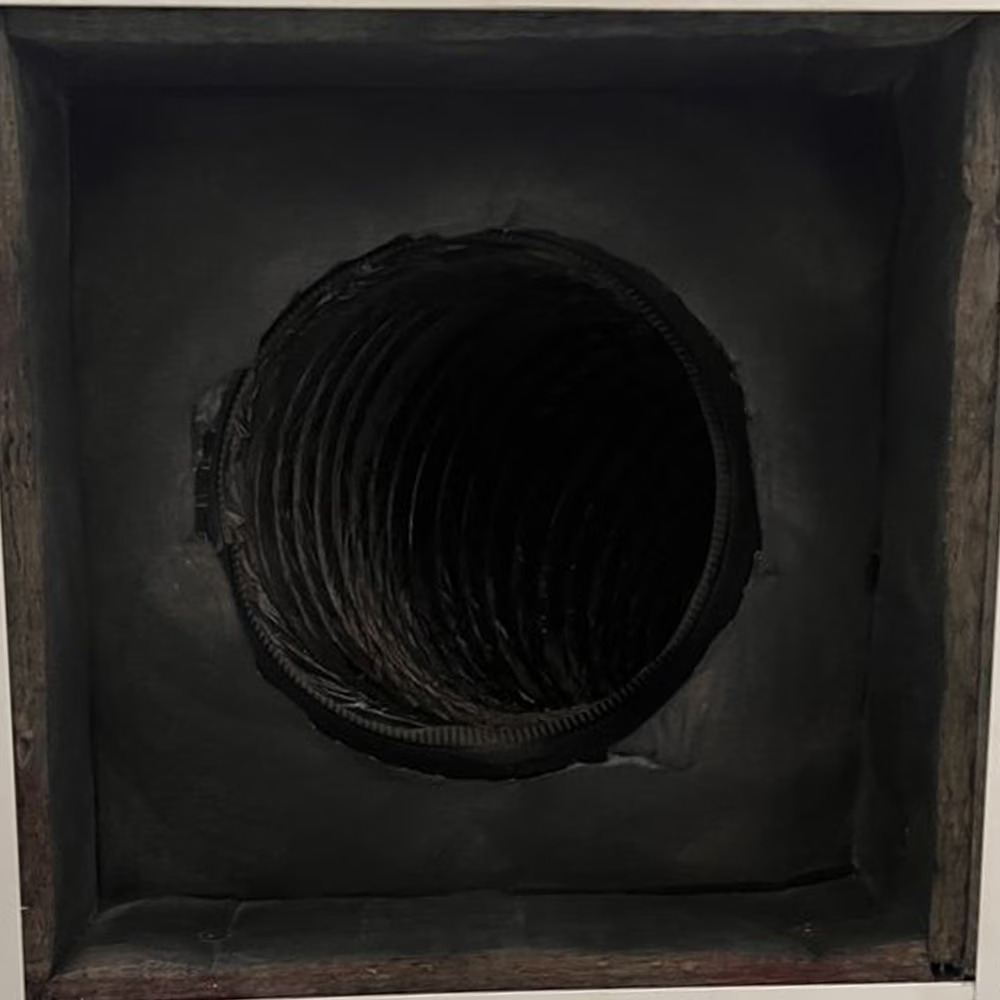
System Longevity Secrets: HVAC Duct Cleaning Maintenance in Frisco, TX
Last summer, we got a call from a homeowner in Frisco who said their AC “works fine,” but the house never felt even. One room was consistently muggy, another stayed chilly, and the airflow sounded normal—until you really listened. When we inspected the duct system, the issue wasn’t the furnace or the air conditioner. It was what the airflow had been carrying: dust buildup, debris that reduced airflow efficiency, and a duct environment that wasn’t helping the system run cleanly season after season.
That’s the theme we see again and again with HVAC duct cleaning maintenance: ducts don’t fail your system overnight, but neglect can quietly shorten its working life. In Frisco’s heat, that matters. When your AC has to work harder to move air through restricted ductwork, the wear adds up.
In this guide, Lone Star Pro Flow LLC will break down what actually helps HVAC systems last longer—how to maintain ducts, how dryer vent maintenance fits into the bigger indoor air picture, what most people get wrong, and when it’s time to schedule professional cleaning and inspection.
Quick Answer
HVAC duct cleaning maintenance helps system longevity when it’s targeted and supported by airflow, filtration, and proper ductwork care. Most homeowners don’t need frequent “routine” duct scrubbing, but they do benefit from:
- cleaning when there’s visible contamination, persistent odors, or airflow problems
- improving filtration and keeping return air pathways clear
- sealing obvious duct leaks and addressing poor airflow causes
- pairing HVAC duct care with air duct and dryer vent cleaning (because indoor dust doesn’t come from one system)
If you’re trying to prevent premature wear on your AC or heating system, the best approach is a maintenance plan based on symptoms, not a calendar guess.
What Actually Drives HVAC Longevity (And Where Ducts Fit)
HVAC longevity is usually decided by a handful of real-world factors:
- Airflow efficiency: When airflow is restricted, the system compensates—more runtime, higher strain, and more cycling.
- Clean operating conditions: Dirt inside components and ductwork can reduce performance and increase dust circulation.
- Moisture control: Poor duct conditions can contribute to humidity problems, which can lead to biological growth and odors.
- System cleanliness across both air pathways: Dust and lint don’t stay neatly in one place. If you’re not managing dryer exhaust, for instance, your home’s air quality and particulate load can rise.
From our experience serving homeowners and property managers around Frisco and nearby communities, the most common duct-related longevity problem isn’t “dust exists.” Dust exists everywhere. The longevity-killer is dust accumulation that impacts airflow and contamination that keeps being reintroduced.
A practical example we see locally
A family in Frisco had inconsistent temperatures and a slightly rising energy bill. They replaced the thermostat and checked registers, but nothing improved much. After inspection, we found a combination of:
- return pathways coated with dust and debris
- duct sections that had accumulated grime over time
- airflow imbalances that made the AC run longer to achieve the same cooling
Cleaning the ducts and improving airflow conditions helped the system behave more like it was designed to—less struggle, more consistent performance.
What Most Customers Get Wrong About HVAC Duct Cleaning Maintenance
We’ll say this plainly: a lot of duct cleaning decisions are made based on fear, not evidence.
Mistake #1: Cleaning on a strict schedule without symptoms
Some companies push “yearly” or “every X months” duct cleaning as a default. In real homes, that often wastes money and doesn’t solve the underlying issue. If your filters are changed, the system is running normally, and there’s no sign of contamination, frequent cleaning may not improve longevity.
Mistake #2: Treating duct cleaning like a substitute for air balancing and filtration
If your supply ducts are leaky, your return is undersized, or your filter setup is wrong, cleaning alone won’t fix the root cause. You might remove some buildup, but the system still struggles.
Mistake #3: Ignoring the dryer side of the equation
Indoor air quality and dryer vent cleaning aren’t separate topics in practice. Dryer exhaust issues can increase particulate load indoors and raise humidity concerns. When we talk about duct and dryer vent cleaning as a combined maintenance strategy, it’s because we see how those problems overlap in real households.
Our Take After Working With Local Customers
After working with local customers and property teams, we’ve noticed a pattern:
The duct system usually isn’t the only factor, but it’s often the easiest one to overlook.
People focus on the outdoor unit, the thermostat, or replacing parts. Meanwhile, duct interiors quietly accumulate contaminants that reduce efficiency over time.
Here’s how we approach it at Lone Star Pro Flow LLC:
- We treat duct cleaning as part of an airflow and indoor air quality strategy—not as a standalone “service event.”
- We look for practical causes of poor performance: airflow restriction, duct condition, and whether other exhaust systems are contributing to the problem.
- We recommend next steps that help prevent repeat issues, including dryer vent maintenance and proper usage habits.
If you’ve ever seen your AC run longer than expected during peak Texas temperatures, duct condition is one of the first areas we’ll evaluate—especially when airflow feels inconsistent room to room.
Local Frisco, TX Reality: Why Duct Maintenance Matters Here
Frisco’s weather shifts demand on HVAC systems. During hot stretches, AC runtime increases. When ducts are dirty or airflow is restricted, the system compensates by working longer and harder.
We also see a lot of homes and businesses in the area where:
- lots of air movement is needed because of open-plan layouts
- seasonal allergens and dust are more noticeable
- property turnover or tenant changes sometimes disrupt filter routines
- dryer vents are used heavily, especially in multi-occupant settings
That’s why we often recommend that homeowners and commercial property managers think beyond “clean air once.” Instead, focus on preventing buildup and maintaining the pathways where airflow and exhaust move—both HVAC and dryer exhaust.
If you’re searching for “air duct cleaning and dryer vent cleaning services” because you want a cleaner home and a system that doesn’t wear out early, the most reliable plan usually includes both.
HVAC Duct Cleaning Maintenance Strategy (A Simple Framework)
Use this checklist to decide what to do next. It’s designed to help you avoid unnecessary cleaning while still protecting system longevity.
Step-by-Step Checklist: When to Maintain or Clean
1. Track symptoms, not dates
- uneven temperatures (hot/cold rooms)
- rising energy bills without other explanations
- musty odors or persistent dust
- visible dust near registers or return grilles
2. Confirm filtration habits
- Are filters being replaced on schedule?
- Is the filter type appropriate for your HVAC system?
- Is the filter installed correctly (some setups allow bypass)?
3. Inspect airflow and ductwork conditions
- Are return vents pulling from the right areas?
- Any signs of duct sagging, poor connections, or obvious gaps?
- Do you notice restricted airflow at registers?
4. Consider the dryer exhaust connection
- Is your dryer taking longer than usual to dry clothes?
- Do you see lint buildup around the exterior vent?
- Do you ever notice lint odor indoors?
5. Schedule professional evaluation when indicators show up
- For HVAC, this is where duct condition and airflow restrictions are assessed.
- For dryers, inspection and cleaning help prevent lint accumulation and airflow blockage.
DIY vs Professional: What’s Worth Doing Yourself
| Task | DIY Option | When Pros Are Better |
|---|---|---|
| Replace/maintain HVAC filters | Yes | If you’re unsure about correct filter type or fit |
| Clear accessible register dust | Yes | If debris appears to be coming from deeper in ducts |
| Basic dryer lint removal | Yes | If drying time is slow or there’s blockage risk |
| Dryer vent inspection/cleaning | Limited | If you suspect buildup, clogs, or poor airflow |
| HVAC duct cleaning | Limited | If symptoms suggest contamination or airflow restriction |
This is why we emphasize professional duct and dryer vent cleaning when indicators show up. It’s not about upselling—it’s about preventing the “half-fix” that doesn’t protect longevity.
How Dryer Vent Maintenance Protects the HVAC System (Even If You Don’t Think About It)
People often ask about HVAC duct cleaning and ignore the dryer side. But dryer exhaust problems can contribute to the same indoor issues that make duct systems work harder—especially in households where laundry use is frequent.
If lint accumulates in the duct and exhaust route, your dryer has to run longer, which increases the amount of air movement and particulate circulation inside the home. Over time, that can worsen the overall dust load and indoor air quality.
For homeowners looking for dryer duct cleaning and dryer vent cleaning services, the best approach is usually to address dryer exhaust as part of a broader indoor air plan.
If you want a deeper look at dryer-focused service options, you can review:
- dryer duct cleaning
And for HVAC-specific service context:
- HVAC duct cleaning services
FAQ: HVAC Duct Cleaning Maintenance in Real Life
How do I know if I need HVAC duct cleaning, not just filter changes?
If you’re changing filters regularly and still notice uneven temperatures, persistent odors, visible dust near returns, or a significant increase in runtime during peak weather, duct condition may be contributing. A professional inspection helps differentiate between “normal dust” and contamination that affects airflow.
Why does the system seem to work harder after a few months?
Often it’s linked to airflow restriction, filter bypass, duct leakage, or buildup in areas where air returns and supply interact. Sometimes it’s also a dryer exhaust issue increasing indoor particulate load. We typically look at the whole airflow picture rather than assuming the HVAC unit alone is the problem.
Is residential duct and dryer vent cleaning different from commercial service?
Yes. Homes often have different airflow patterns, different filter routines, and fewer exhaust paths. Commercial and multi-occupant properties may have higher usage and more variables—so we plan around the building’s operation, schedules, and tenant turnover.
How often should dryer vent maintenance happen?
It depends on usage and vent conditions. If drying times are increasing or you notice lint odor, it’s time to inspect. For heavy-use households or multi-tenant settings, maintenance typically needs to be more consistent than a “set-and-forget” approach.
Ready to Improve HVAC Longevity With Better Duct Maintenance?
If you want your AC and heating system to run efficiently for years—not just months—start by treating duct condition and airflow as a maintenance priority. Lone Star Pro Flow LLC can help you evaluate whether HVAC duct cleaning is needed and whether dryer exhaust maintenance is contributing to indoor dust and performance issues.
You can also explore our HVAC and duct-focused information here:
- HVAC duct cleaning services
- dryer duct cleaning
About the Company
Lone Star Pro Flow LLC is a Frisco, TX–based indoor air and ductwork service team focused on practical solutions that improve airflow, reduce contamination, and support long-term system performance. We work with homeowners and commercial property teams to evaluate HVAC duct condition and dryer exhaust needs—because real longevity comes from maintaining the pathways where air and exhaust actually move. Learn more at https://lonestarproflow.com/.